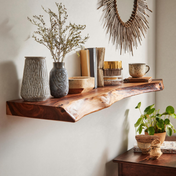

Sustainable Tree Branch Bookshelf Options for Eco-Conscious Homeowners
A tree branch bookshelf blends organic aesthetics with sustainability, offering a unique shelving solution that resonates with eco-conscious homeowners. Whether you want a rustic freestanding unit, a minimalist wall-mounted system, or a sculptural focal piece, using responsibly sourced branches and low-impact materials can reduce your environmental footprint while creating long-lasting storage.

Why Choose a Tree Branch Bookshelf?
- Low embodied energy: Natural branches often require less manufacturing energy than factory-made furniture.
- Unique aesthetics: Each branch carries grain, knots, and character you cannot replicate with MDF or particleboard.
- Biodegradable materials: At end of life, untreated wood is less harmful to the environment than composite materials.
- Connection to nature: Incorporating natural elements improves wellness and indoor air quality if finished with non-toxic products.
Key Sustainability Principles
When planning a tree branch bookshelf, prioritize these principles to ensure your project is truly eco-friendly:
- Ethical sourcing: Use fallen branches, storm-damaged wood, or reclaimed timber rather than cutting live trees.
- Local materials: Reduce transport emissions by sourcing branches locally.
- Low-VOC finishes: Choose water-based or plant-based oils and varnishes to minimize indoor pollution.
- Durability: Design for longevity to avoid frequent replacements and waste.
Design Options for a Tree Branch Bookshelf
There are several popular designs that work well with branches. Select one based on your space, storage needs, and DIY skill level.
1. Freestanding Branch Bookshelf
A freestanding unit uses vertical branches as uprights and shelves mounted between or on the branches. This approach emphasizes the natural lines of the wood and can be assembled without wall anchors.
- Best for: Larger living rooms and rooms where floor anchors are preferred over wall drilling.
- Construction tip: Use a sturdy base, cross-bracing, or hidden metal connectors to prevent racking.
2. Wall-Mounted Branch Shelves
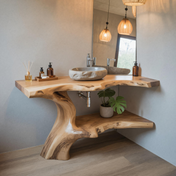
Branches act as decorative supports for floating shelves. Shelves can be attached with discreet brackets or recessed rods to give a suspended appearance.
- Best for: Smaller rooms and spaces where floor footprint is limited.
- Safety note: Secure to studs and use appropriate anchors for heavy loads.
3. Leaning Ladder-Style Branch Shelf
Using branches as side uprights, ladder-style shelves lean against the wall for an informal look. This is often easier to build and moves easily for redecorating.

4. Integrated Branch Sculpture Shelf
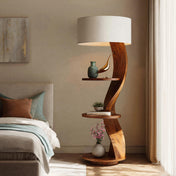
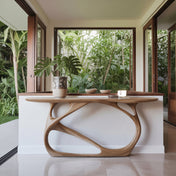
For a design-forward approach, integrate a sculptural branch element with inset shelving for a statement piece. This can be more complex but yields high visual impact.
Sourcing Branches Responsibly
To keep your project ethical and legal, follow these sourcing guidelines:
- Use fallen wood: Collect branches after storms or from tree pruning waste rather than cutting live limbs.
- Check local regulations: Some municipalities restrict collecting wood from public lands.
- Buy reclaimed wood: Salvage yards and reclaimed wood suppliers often have branches and interesting sections suitable for shelves.
- Ask permission: If collecting from private property, always get written permission.
Choosing Materials and Fasteners
A tree branch bookshelf should combine natural elements with durable, low-impact hardware.
- Branch type: Hardwoods like oak, maple, and walnut are more durable for load-bearing use, while softwoods like pine are lighter and easier to work with.
- Shelf materials: Use reclaimed plank wood, FSC-certified boards, or sustainably harvested lumber for shelf surfaces.
- Fasteners: Stainless steel or galvanized brackets resist rust. Consider hidden metal rods or mortise-and-tenon joinery for longevity.
- Adhesives and fillers: Choose low-VOC glues and water-based wood fillers to maintain indoor air quality.
Step-by-Step DIY: Simple Wall-Mounted Tree Branch Bookshelf
This basic method gives strong support and keeps the natural look intact.
-
Prepare branches
- Remove loose bark and surface debris. Keep some bark if desired for aesthetic effect, but ensure it is secure.
- Dry the wood thoroughly to avoid warping and cracking. Air drying can take weeks to months depending on thickness.
-
Stabilize and treat
- Inspect for pests. Heat treatment or freezing can eliminate insects without harsh chemicals.
- Sand contact points so brackets and shelves sit flush.
-
Attach brackets or rods
- Mark stud locations and drill pilot holes. Use heavy-duty wall anchors when studs are not available.
- For a floating look, drill holes through the branch into a steel rod that inserts into the wall-mounted sleeve.
-
Mount shelves
- Use reclaimed planks or thin plywood topped with an eco-friendly veneer for shelf surfaces.
- Distribute weight evenly and avoid placing heavy book stacks on unsupported spans.
-
Finish
- Apply a water-based polyurethane, natural tung oil, or linseed oil with low VOCs for protection.
Finishes and Treatments for Longevity
Finishing improves durability and appearance. Prioritize low-toxicity options:

- Natural oils: Tung oil and raw linseed oil penetrate wood and enhance grain without heavy chemical emissions.
- Water-based polyurethanes: Provide a durable clear coat with lower VOCs than solvent-based finishes.
- Beeswax blends: Offer a soft sheen ideal for lightly used shelves and can be reapplied over time.
Load Capacity and Safety
Design to match the intended load. For book-heavy shelves, keep span lengths short and add supports:
- Limit unsupported spans to 24 inches for thinner boards; use thicker planks for wider spans.
- Anchor taller freestanding units to the wall to prevent tipping, especially in homes with children or pets.
- Test stability gradually with incremental loads before full use.
Alternatives and Hybrid Approaches
If a full branch structure is impractical, consider hybrid solutions:
- Branch accents: Use smaller branch sections as brackets or decorative uprights combined with reclaimed shelves.
- Metal frames with branch inlays: Combine powder-coated steel frames with branch crosspieces for modern-rustic contrast.
- Reclaimed beam supports: Use thicker reclaimed wood beams as primary supports and branches as surface trim.
Cost and Time Estimates
Costs vary by material choice and design complexity. Expect these rough ranges for DIY builds:
- Small wall shelf: $30–$150 and a weekend of work, mainly for brackets, fasteners, and finishing products.
- Freestanding unit: $150–$500 depending on reclaimed wood cost, hardware, and branch quality.
- Custom sculptural piece: $500+ if hiring a craftsman or buying premium reclaimed timber.
Where to Buy or Commission
- Local salvage yards and reclaimed wood retailers often have suitable planks and interesting branch sections.
- Artisans and furniture makers specializing in live-edge or reclaimed wood can build custom tree branch bookshelves to specification.
- Online marketplaces list reclaimed materials and bespoke shelving options; verify seller sustainability claims and reviews.
Eco Certifications and Helpful Labels
When purchasing supplementary materials, look for:
- FSC certification for lumber, indicating responsible forest management.
- Low-VOC or GreenGuard certifications for finishes and adhesives.
- Reclaimed material provenance or clear supplier information to confirm true salvage sources.
Maintenance Tips
- Dust regularly to prevent grit abrasion on finishes.
- Reapply oil or wax finishes annually for protection and appearance.
- Monitor for insect activity and humidity-related cracks; keep indoor humidity stable between 30 and 50 percent.
Frequently Asked Questions
Is a tree branch bookshelf strong enough for books?
Yes, when built with hardwood branches, proper joining techniques, and adequate shelf support. Design for intended loads and use reinforcement where necessary.

How do I prevent branches from cracking as they dry?
Slow, controlled drying and sealing end grain with wax or an end sealer reduces rapid moisture loss that causes cracks. Thicker sections may need months to stabilize.
Can I use branches with bark still on?
Bark can be retained for aesthetic reasons if it is firmly attached and treated for pests. Loose bark should be removed and replaced with a stable surface to avoid shedding.
Conclusion
A tree branch bookshelf can be a sustainable, beautiful addition to an eco-conscious home when planned with ethical sourcing, appropriate materials, and durable construction. Whether you choose a DIY wall-mounted shelf or commission a custom sculptural unit, prioritizing low-VOC finishes, reclaimed or fallen wood, and sound joinery ensures your bookshelf is both green and long-lasting. Thoughtful design not only reduces environmental impact but also creates a timeless piece that celebrates the character of natural wood.
If you plan a project, start by mapping the weight and dimensions you need, sourcing local branches ethically, and selecting non-toxic finishing products to keep your indoor environment healthy. A well-built tree branch bookshelf can be both a functional storage solution and a sustainable statement piece in your home.