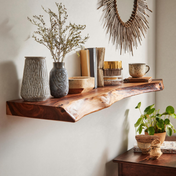

A well-designed bathroom vanity does more than hold a sink. It anchors the room, defines the style, and shapes how efficiently the space works every day. Among today’s most sought-after options, the floating bathroom vanity stands out for its clean lines, open visual footprint, and ability to combine beauty with practical storage. Whether you are planning a compact powder room or a spacious primary bath, the right wall-mounted vanity can make the room feel lighter, more organized, and more refined.

Homeowners and designers increasingly choose floating vanities because they solve multiple design challenges at once. They create the illusion of more floor space, support a modern aesthetic, and allow for easier cleaning beneath the cabinet. At the same time, premium material choices such as a modern wood bathroom vanity, walnut bathroom vanity, or teak bathroom vanity add warmth and texture that keep the room from feeling cold or overly minimal.
In this guide, we will explore the most important floating bathroom vanity features that bring form and function together, helping you choose a piece that performs beautifully and elevates the entire bathroom.
Why a Floating Bathroom Vanity Is So Popular
The floating bathroom vanity has become a defining feature in contemporary bath design. Unlike a traditional floor-mounted cabinet, a floating vanity is secured to the wall, leaving open space below. That small structural shift has a major visual and practical impact.
First, the open area beneath the vanity helps the room feel larger. This is especially valuable in bathrooms where every inch matters. Second, a floating installation creates a streamlined appearance that fits modern, transitional, and even organic design styles. Third, cleaning is easier because there are fewer base edges and corners collecting dust and moisture.
Beyond aesthetics, floating vanities also offer flexibility in height. Because they are wall-mounted, they can be installed at a level that better suits the user, which is particularly beneficial in custom renovations. The result is a bathroom vanity that looks intentional, feels lighter, and supports daily convenience.
Feature 1: Space-Saving Design That Opens the Room
One of the greatest benefits of a floating vanity is its ability to visually expand the bathroom. The exposed floor creates continuity across the room, which makes small bathrooms appear less crowded. In narrow layouts or guest bathrooms, this can dramatically improve the overall impression of space.
A floating wood bathroom vanity offers this open feel while still introducing natural material and character. The combination of wall-mounted construction and real wood texture is particularly effective in creating bathrooms that feel modern yet inviting. Instead of a heavy cabinet dominating the room, the vanity appears sculptural and balanced.
For homeowners trying to maximize square footage, a floating design also allows room for baskets, a bath scale, or subtle under-vanity lighting. This makes the vanity not just a place for grooming, but a strategic design element that contributes to comfort and usability.
Feature 2: Smart Storage Without Visual Bulk
Storage remains a top concern when choosing any bathroom vanity. A strong floating design addresses this by incorporating drawers, hidden compartments, and thoughtful organizers while maintaining a minimal profile. The best models avoid bulky face frames and oversized hardware, replacing them with efficient interior storage and sleek exteriors.
Deep drawers can accommodate towels, hair tools, and daily toiletries. Divided upper drawers help separate grooming items, cosmetics, and dental essentials. Some floating vanities include built-in drawer organizers or cutouts that work around plumbing while preserving usable storage volume.

This is where quality craftsmanship matters. A well-made wood bathroom vanity can offer soft-close drawers, moisture-resistant finishes, and durable joinery that withstand the demands of a humid bathroom. The goal is to maintain a light, open appearance without sacrificing the practical storage people rely on every day.
Feature 3: Natural Wood Finishes That Add Warmth
Floating vanities often appear in highly modern bathrooms, but that does not mean they have to feel stark. Wood tones soften the look and create a more welcoming environment. This is why styles such as the modern wood bathroom vanity continue to gain popularity. They blend crisp geometry with the organic richness of natural grain.
Wood also gives homeowners more range in expressing personal style. Lighter finishes can create a Scandinavian or coastal atmosphere, while richer tones feel more grounded and luxurious. The grain pattern itself adds movement and visual interest, helping the vanity feel custom and elevated.
When choosing a wood finish, it is important to consider the surrounding tile, wall color, and lighting. A vanity should coordinate with the room without disappearing into it. In many bathrooms, a wood vanity becomes the visual centerpiece because it introduces warmth in a space often dominated by stone, porcelain, and glass.
Feature 4: Walnut for Sophisticated Contrast
A walnut bathroom vanity is an excellent choice for those who want a floating design with depth and elegance. Walnut’s rich brown tones and distinctive grain give the vanity a furniture-like quality that instantly raises the design standard of the room.
In bathrooms with white walls, marble counters, or light tile, walnut creates beautiful contrast without feeling harsh. It pairs especially well with matte black fixtures, brushed brass hardware, and minimalist mirrors. The result is a bathroom that feels both modern and timeless.
Walnut works particularly well in floating forms because the darker wood draws attention to the clean horizontal silhouette. Rather than making the vanity seem heavy, the open space below keeps it visually balanced. For homeowners seeking a premium look, walnut remains one of the most refined choices in the bathroom vanity category.
Feature 5: Teak for Moisture Resistance and Spa Appeal
A teak bathroom vanity brings another compelling advantage: natural durability in humid environments. Teak is well known for its density, natural oils, and strong resistance to moisture, making it a practical and attractive option for bathrooms.
Its golden-brown tone creates a calm, spa-like feel that complements natural stone, textured tile, and soft neutral palettes. In a floating application, teak looks especially elegant because its smooth grain and warm color emphasize simplicity and craftsmanship.
For homeowners inspired by resort-style interiors or organic modern design, teak offers a combination of function and serenity. It is a wood species that performs well while contributing to a soothing atmosphere, making it ideal for primary bathrooms designed for relaxation as well as routine use.

Feature 6: Double Sink Configurations for Shared Bathrooms
In larger bathrooms, a double sink wood bathroom vanity can deliver the best of both worlds: generous functionality and striking design. A floating double vanity gives two users dedicated sink space while preserving the open, airy feel that wall-mounted furniture is known for.
This layout is especially effective in shared primary baths where morning routines need to move efficiently. Separate sinks reduce congestion, while long drawers and compartmentalized storage help each person organize personal items. Because the vanity is elevated from the floor, even a larger piece can feel less imposing than a traditional double cabinet.
Wood finishes are particularly valuable in wider vanities because they add texture across the longer span, preventing the piece from looking flat or institutional. Whether in walnut, teak, or another natural finish, a double floating vanity can become a standout architectural element while serving the practical needs of a busy household.
Feature 7: Countertop and Sink Integration
The best floating vanity designs are not just about cabinetry. They also depend on how the countertop and sink are integrated. Undermount sinks create a clean, easy-to-wipe surface, while vessel sinks add sculptural presence. Integrated solid-surface tops offer a seamless look that aligns well with modern spaces.
When selecting a bathroom vanity, consider how much counter space you need around the basin. Some homeowners prioritize an uncluttered look and minimal accessories, while others want room for soap dispensers, trays, or skincare products. The size and placement of the sink can affect both visual balance and daily convenience.
Countertop material also plays a major role. Quartz is durable and low maintenance, marble feels luxurious, and porcelain can provide a sleek contemporary finish. The ideal pairing is one where the sink, counter, and cabinet feel cohesive rather than competing for attention.
Feature 8: Under-Vanity Lighting for Style and Safety
One feature that elevates a floating vanity even further is integrated under-cabinet lighting. LED strips placed beneath the vanity emphasize the floating effect, giving the piece a soft, architectural glow. This subtle lighting can make a bathroom feel more upscale while also improving nighttime visibility.
From a functional standpoint, under-vanity lighting helps reduce the need for bright overhead light during late-night trips to the bathroom. From a design standpoint, it highlights the open space below the vanity and adds depth to the room.
This feature pairs especially well with a floating wood bathroom vanity, as the light can accentuate the warmth and texture of the wood grain. It transforms a practical fixture into a more immersive design experience.
Feature 9: Easy Cleaning and Better Floor Access
Bathrooms demand materials and layouts that support hygiene and maintenance. One of the simplest but most valuable advantages of a floating vanity is easier floor cleaning. Without a cabinet base touching the floor, there are fewer places for dust, hair, and moisture to accumulate.

This is especially useful in family bathrooms, where spills and traffic are more frequent. Robotic vacuums may also navigate the space more effectively depending on the vanity height and room layout. The visual cleanliness of the floating design often translates into actual cleaning efficiency.
For homeowners who want a bathroom that stays fresh with less effort, this practical benefit should not be underestimated. Form matters, but function matters just as much, and a floating vanity supports both.
Feature 10: Statement Design Options Like Live Edge Wood
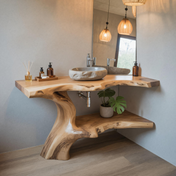
While many floating vanities lean sleek and minimal, there is also room for bold character. A live edge bathroom vanity brings handcrafted appeal and organic detail to the wall-mounted format. The natural contours of the wood create a one-of-a-kind focal point that stands out against more structured bathroom surfaces.
This style works particularly well in rustic modern, organic contemporary, and boutique-inspired interiors. Paired with simple hardware and understated sinks, a live edge piece can balance artistic individuality with practical use.
For those who want their bathroom vanity to feel less like standard cabinetry and more like custom furniture, live edge designs offer a compelling path. They prove that a floating vanity can be highly functional without losing personality.
How to Choose the Right Floating Bathroom Vanity
Selecting the right vanity starts with understanding the room’s dimensions, plumbing layout, and daily demands. Measure carefully, especially width and depth, to ensure comfortable circulation. In smaller bathrooms, a single-sink vanity with efficient drawers may be the best fit. In larger primary suites, a double configuration may better support shared use.
Material choice is equally important. A modern wood bathroom vanity offers versatility and warmth, while a walnut bathroom vanity adds richness and contrast. A teak bathroom vanity may be ideal where moisture resistance is a top priority. Each wood type brings its own visual personality and performance benefits.
Also consider mounting height, sink style, hardware finish, and storage needs. The most successful choice is one that aligns with both the design vision and the realities of daily life. A vanity should look exceptional, but it should also support routines smoothly for years to come.
Final Thoughts
A floating vanity is more than a trend. It is a design solution that answers real needs in the modern bathroom: better space perception, easier maintenance, customizable installation, and sophisticated style. When crafted in wood and paired with thoughtful storage, quality hardware, and the right sink configuration, it becomes one of the most impactful investments in the room.
Whether you prefer the clean lines of a floating wood bathroom vanity, the depth of a walnut bathroom vanity, the resilience of a teak bathroom vanity, or the expanded convenience of a double sink wood bathroom vanity, the right choice will bring lasting form and function to your space.
Ultimately, the ideal bathroom vanity is the one that supports your routines, complements your architecture, and makes the bathroom feel more purposeful every day. A floating design does all of that with clarity, elegance, and enduring appeal.