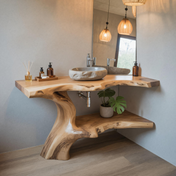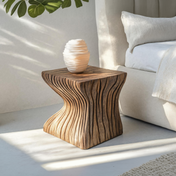

When you’ve been working with wood for as long as I have, you start to think of each finished piece like a living thing. Sure, the tree’s no longer standing in the forest, but the wood still breathes, still reacts to its surroundings, still holds its warmth. That’s why caring for it isn’t about rules on a tag — it’s about respect.
I remember delivering my first handcrafted dining table to a young couple. The wood was a slab of oak, edges still wearing the waves from the sawmill. I told them the same thing I tell every client: wood will look after you if you look after it.
First, think about where you place it. Wood doesn’t like extremes. Keep it away from heaters, fireplaces, or vents that blow dry air all winter. Direct sunlight will age the finish faster than you expect, pulling the color out and making it brittle over time. If a room is bright, a light curtain or sheer is enough to soften the rays and keep your natural wood furniture glowing for years.
For outdoor pieces, it’s a different story. I build many benches, tables, and even mirrors for patios and decks, and they can last decades outside if cared for. The trick is keeping them on stable, well-drained ground and covering them when not in use. Rain and sun together are hard on any material, but a cover and the occasional oiling go a long way.
Cleaning is where I see people go wrong most often. A bottle of bleach or ammonia might promise “deep clean,” but it’ll strip the life right out of wood. Instead, use a soft cloth — dry or just barely damp — to dust it regularly. A bit of mild soap and water works for sticky spots, but dry it right after. Remember, wood doesn’t like to stay wet.
One of my old mentors used to say, “Lift, don’t drag.” And he was right. Dragging chairs across a floor or shifting a heavy console table by sliding it might seem harmless, but over time it pulls joints loose and leaves scratches on both the floor and the piece. If you can’t lift it, get a second pair of hands or use sliders made for the job.
Then there’s the matter of spills. The sooner you deal with them, the better. Water, wine, even coffee can work their way into the grain faster than you’d think. Wipe spills right away to keep them from staining or swelling the wood. In humid climates, I’ve even recommended a small dehumidifier to some clients to keep mold and mildew from ever getting a foothold.
Every few years, depending on use, give your furniture a refresh. A coat of natural oil or a wax finish will revive its color and feed the wood. I like to tell clients to think of it as giving the piece a drink after a long season — the wood will thank you by lasting longer and looking better.
The beauty of handcrafted wood furniture is that it ages with you. A small dent here, a faint mark there — they don’t ruin it. In fact, they often make it more beautiful, telling the story of the life it’s lived in your home. The goal of good wood maintenance isn’t to keep it frozen in time, but to let it age gracefully, strong and full of character.
So if you’ve brought a piece of wood furniture into your home, don’t just think of it as an object. Think of it as something you’ve invited to stay. Give it the right place, treat it with a bit of care, and it will be with you for a lifetime — maybe even long enough to be passed down to the next generation.