
Introduction
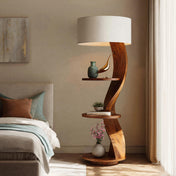
The wall mounted tree bookshelf is a stylish, space-saving solution that combines function with decorative appeal. Whether you're shopping for a tall tree bookshelf for a foyer, a narrow tree bookshelf for a hallway, a tree bookshelf for bedroom storage, or a decorative tree bookshelf to anchor a living room wall, material and construction determine both durability and safety. This guide explains the common materials, durability factors, mounting considerations, and maintenance to help you choose the best wall mounted tree bookshelf for your space.

Why Materials Matter
Materials affect weight capacity, appearance, lifespan, moisture resistance, and how the shelf mounts to the wall. A well-made wall mounted tree bookshelf uses materials and hardware that work together: sturdy shelving material, reliable anchoring systems, quality finishes, and smart joinery. Below we compare common material choices and what to expect from each.
Common Materials and Their Durability
Solid Hardwood (Oak, Maple, Pine)
Solid wood is the traditional choice for a long-lasting tree bookshelf. Hardwoods like oak and maple offer excellent strength and a premium look. Pine is softer and more affordable but dents easier.
- Durability: High for hardwoods; moderate for softwoods.
- Weight: Heavier, so plan for robust mounting hardware and multiple anchors.
- Aesthetics: Natural grain looks upscale and can be refinished.
- Best for: Living room tree bookshelf, tall tree bookshelf with substantial loads.
Plywood
Plywood combines thin veneers bonded cross-grain to resist warping. High-quality plywood (Baltic birch) is very stable and lighter than solid wood with similar strength.

- Durability: High when construction-grade plywood is used and edges are sealed.
- Weight: Moderate; easier mounting than solid wood of same thickness.
- Best for: Narrow tree bookshelf that needs stability without excessive weight.
MDF and Particleboard
MDF and particleboard are engineered wood products commonly used for budget tree bookshelves. They're smooth and great for painted finishes but are vulnerable to moisture and heavy loads.
- Durability: Low to moderate; susceptible to sagging over time if spans are long.
- Weight: Heavy relative to strength; can strain anchors if overloaded.
- Best for: Decorative tree bookshelf in low-moisture, light-load settings like a bedroom.
Metal (Steel, Aluminum)
Metal frames and shelves offer excellent strength with a modern aesthetic. Steel is very strong but heavier and may need rust-resistant coatings for humid rooms. Aluminum is lighter and naturally corrosion-resistant.
- Durability: High; excellent load capacity and longevity.
- Weight: Frame weight varies; metal can allow thinner, sleeker profiles for tall tree bookshelf designs.
- Best for: Industrial or minimalist living room tree bookshelf, high-load applications, or narrow tree bookshelf where thin profiles are desirable.
Veneers, Laminates, and Finishes
Veneers and laminate surfaces are applied over plywood, MDF, or particleboard. They provide durable, scratch-resistant surfaces but hide the substrate's weaknesses.

- Durability: Veneer over plywood can be long-lasting; laminate is highly scratch- and moisture-resistant if edges are well-sealed.
- Best for: Decorative tree bookshelf where consistent finish is important.
Glass and Acrylic Accents
Glass or acrylic shelves can be used for light, decorative loads. Tempered glass adds safety, but glass increases the need for precise mounting and limited weight expectations.
Durability Factors Beyond Material
Material alone doesn't guarantee a durable wall mounted tree bookshelf. Consider these factors:
- Joinery and Construction: Dovetails, dadoes, and reinforced screws outperform simple glued joints—especially in tall tree bookshelf designs.
- Finish and Sealing: Proper sealing protects against humidity and surface wear. A quality finish extends lifespan dramatically.
- Mounting Hardware: Brackets, French cleats, and studs determine load capacity. Hardware quality often limits shelf performance more than the shelf panels.
- Weight Distribution: Tree-shaped shelves concentrate loads at branches—ensure shelves and anchors are rated for point loads.
- Environmental Conditions: High humidity, temperature swings, and sunlight affect wood and veneers differently. Choose materials that suit your room.
Mounting & Safety: Key Considerations
Wall mounting is the defining feature of a wall mounted tree bookshelf. Proper installation is essential for durability and safety, particularly in a bedroom where children may climb.

- Find Studs: Anchoring into studs with lag bolts provides the highest capacity—critical for solid wood or heavy shelving.
- Use the Right Anchors: Toggle bolts and heavy-duty anchors are needed for drywall-only installations, but capacity is lower than stud mounting.
- French Cleat System: A French cleat spreads load across a horizontal rail and simplifies leveling—excellent for tall tree bookshelf installations.
- Multiple Fixing Points: Use several anchors spread vertically to resist torque from protruding branches and heavy books.
- Follow Load Ratings: Manufacturers should specify load per shelf and total capacity. Verify these against your intended use (books are heavy!).
- Child Safety: In bedrooms, secure with anti-tip hardware and avoid placing heavy items on higher branches.
Design Size & Application: Choosing by Room
Design influences both material choice and mounting strategy.
- Tall Tree Bookshelf: Requires superior lateral stability. Use sturdier materials (solid wood, plywood, or metal frame) and multiple secure anchor points. Ideal for living rooms and entryways.
- Narrow Tree Bookshelf: Lighter materials like plywood or aluminum can work well. Narrow profiles must still be anchored properly to prevent wobble.
- Tree Bookshelf for Bedroom: Prioritize safety and lower weight. MDF or veneered plywood is common, but ensure anti-tip anchoring and moisture-resistant finishes.
- Tree Bookshelf for Living Room: Consider appearance and durability. Solid wood or veneered plywood with a strong metal anchor system is a great balance.
- Decorative Tree Bookshelf: If used mainly for decor, you can opt for lighter materials, but confirm that even decorative shelves are mounted safely.
Maintenance and Lifespan
How long a wall mounted tree bookshelf lasts depends on material quality, use, and maintenance. Typical expectations:
- Solid Hardwood: 20+ years with proper care and occasional refinishing.
- Plywood (Quality): 10–20 years if edges and surfaces are sealed and loads are reasonable.
- MDF/Particleboard: 5–15 years; susceptible to swelling if exposed to moisture.
- Metal Frames: 20+ years; watch for corrosion in humid environments unless stainless or powder-coated.
Maintenance tips: dust regularly, avoid heavy localized loads, wipe spills immediately, monitor anchors and tighten hardware annually, and touch up finishes when needed.
Buying Checklist: Material & Durability Questions
- What is the primary material of the shelves and the frame?
- Are joinery and reinforcements visible or described?
- What mounting hardware is included, and what wall types is it rated for?
- What is the load rating per shelf and total capacity?
- Is there a warranty or returns policy that covers long-term durability?
- Are finishes sealed for moisture resistance if the shelf will be in a humid room?
Recommendations by Use Case
- Living Room: Choose solid hardwood or high-grade plywood with a strong mounting system. Prioritize finish and appearance.
- Bedroom: Opt for lighter-weight plywood or veneered builds with secure anti-tip anchors; avoid heavy top loads.
- Small Spaces / Narrow Tree Bookshelf: Aluminum or thin plywood designs reduce visual bulk; ensure lateral anchor support.
- Decorative Only: If shelves will hold light items, MDF with a quality laminate can be economical and attractive; still use proper anchors.
Conclusion
Choosing a durable wall mounted tree bookshelf means matching material, construction, and mounting to your intended use. Solid hardwood or quality plywood with a robust anchoring system will outperform cheaper engineered boards for heavy loads or tall designs. Metal offers excellent strength for modern, narrow profiles, while veneers and laminates provide attractive, low-maintenance surfaces when paired with the right substrate. Evaluate joinery, finish, and installation hardware, and follow good mounting and maintenance practices to ensure your tree bookshelf remains a safe, functional, and decorative feature in your bedroom, living room, or entryway for years to come.