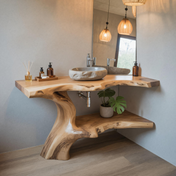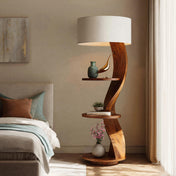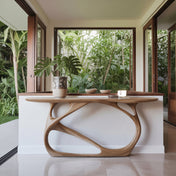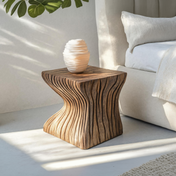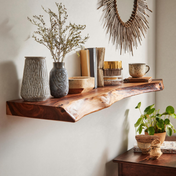

A well-chosen wooden tree bookshelf can do more than hold books. It can reshape how a room feels. In small homes, apartments, and compact reading corners, the right shelving unit helps reduce visual clutter, draws the eye upward, and creates the impression of more open space. Because a tree-style bookcase has a lighter silhouette than many traditional shelving units, it often delivers storage without the heavy, bulky look that can make a room feel crowded.

If you want a room to feel brighter, airier, and more organized, decorating with a wooden tree bookshelf is a practical design move. From choosing the right size to styling shelves with intention, the details matter. Below, you will find expert decor tricks that help make living rooms, bedrooms, home offices, and entryways feel noticeably bigger while still looking warm and inviting.
Why a Wooden Tree Bookshelf Makes Small Rooms Feel More Open
The shape of a tree bookshelf naturally supports visual flow. Unlike boxy shelving that creates a solid wall effect, a tree-style design usually features a vertical frame with angled or staggered branches that hold books and decor. This creates negative space around the stored items, which is one of the simplest ways to make a room feel less cramped.
A tree bookshelf for living room layouts works especially well because it offers storage while preserving openness. The eye can move through and around the frame instead of stopping at a dense block of furniture. Wood also adds texture and warmth, making the room feel intentional rather than overcrowded.
- It uses vertical space efficiently.
- It has a lighter visual footprint than standard bookcases.
- It encourages neat, curated storage.
- It fits corners, narrow walls, and underused areas.
- It blends with modern, rustic, Scandinavian, and minimalist interiors.
Choose the Right Size for the Room
One of the biggest mistakes in decorating a small space is choosing furniture that fights the scale of the room. A bookshelf can help a room feel bigger only if its proportions support the layout. Start by measuring both floor space and wall height before selecting a shelf.
Small Tree Bookshelf for Tight Spaces
A small tree bookshelf is ideal when you need storage without dominating the room. It works well in studio apartments, bedside corners, reading nooks, or kids' rooms. Because it takes up less visual and physical space, it allows the room to breathe while still giving you room for books, candles, and decorative accents.
Use a small model when:
- You have limited floor area.
- You want to keep windows and walkways unobstructed.
- You need a subtle accent rather than a focal point.
- You want to layer storage across several areas instead of concentrating everything in one large unit.
Tall Tree Bookshelf to Draw the Eye Up
A tall tree bookshelf can make a room feel larger by emphasizing height. Vertical furniture naturally pulls the eye upward, creating the impression of higher ceilings. This is particularly effective in narrow rooms where floor area is limited but wall height is available.
To maximize this effect, place the shelf where it can be seen from the room entrance. Keep the top sections lighter in styling so the piece still feels open rather than top-heavy.
Narrow Tree Bookshelf for Slim Walls and Corners
A narrow tree bookshelf is a smart solution for awkward wall sections, hallways, and compact living room layouts. It offers storage without taking over the floor plan. In homes where every inch counts, narrow furniture helps maintain comfortable walking paths, which immediately makes a room feel more spacious.
This style is especially useful beside sofas, near desks, or in corners that would otherwise go unused. A narrow silhouette also supports a cleaner, more vertical visual rhythm.
Best Placement Ideas to Expand the Room Visually
Where you place your wooden tree bookshelf matters just as much as how you style it. Strategic positioning can improve circulation, reflect more light, and reduce the sense of crowding.
1. Place It in an Underused Corner
Corners often become dead space. A tree bookshelf turns that neglected area into functional storage while leaving the central floor area open. This keeps the room from feeling packed with furniture and helps maintain a balanced layout.
2. Use It Near a Window, But Not Blocking Light
Natural light is essential if you want a room to feel bigger. Position the shelf near a window where it can benefit from daylight, but avoid blocking the light source. Because many tree bookshelves have open spacing, they can sit near windows better than heavy bookcases, especially if styled sparingly.

3. Float It Beside a Sofa or Accent Chair
A tree bookshelf for living room design can act as a slim companion to seating. Place it beside a sofa or reading chair instead of using a bulky side cabinet. This creates a multifunctional zone that feels organized without looking crowded.
4. Avoid Centering It on the Busiest Wall
If your room already has a media unit, artwork, or multiple focal points, do not compete with them. Set the shelf on a secondary wall so it supports the room instead of visually overwhelming it.
Use Light Colors and Natural Wood Finishes
Color affects how large or small a room feels. Light oak, ash, birch, pine, and other soft wood finishes reflect more light than dark, heavy tones. A wooden tree bookshelf in a pale natural finish tends to look less massive and more integrated into the space.
If your room is very compact, prioritize finishes that coordinate with the wall color or flooring. Similar tones reduce contrast and help the shelf blend in, which prevents visual interruption. A dark walnut shelf can still work beautifully, but it should be balanced with lighter surroundings and uncluttered styling.
For the most spacious look, consider:
- Natural oak or light pine for airy interiors
- Whitewashed wood for Scandinavian spaces
- Soft matte finishes instead of glossy heavy coatings
- Consistent wood tones across nearby furniture
Style Shelves with Breathing Room
Overfilling shelves defeats the purpose of choosing a lighter furniture shape. If you want a room to feel bigger, leave visible space between objects. Negative space gives the eye somewhere to rest and makes both the shelf and room feel less crowded.
A common guideline is to fill only about 60 to 70 percent of the available shelf area. This keeps the unit practical but polished.
What to Display on a Wooden Tree Bookshelf
- A curated selection of books
- Small trailing plants or compact greenery
- Framed art or photos in thin frames
- Candles or diffusers
- Ceramic vases with simple silhouettes
- Small storage boxes for hidden organization
Group items in small clusters rather than placing something on every shelf. Alternate vertical books, horizontal stacks, and a few decorative objects to create movement without clutter.
Keep the Lower Shelves Less Busy
The bottom portion of any shelving unit carries the most visual weight. If lower shelves are overloaded, the entire room can feel heavy. To make the room appear bigger, keep the base of your wooden tree bookshelf relatively clean and orderly.
Use the lower sections for:
- A few neatly arranged books
- One or two storage baskets if the design allows
- Minimal decor in grounded, simple shapes
Reserve the mid and upper shelves for lighter accessories. This creates a sense of lift and openness across the whole piece.
Decorate Vertically to Emphasize Height
If your goal is to enlarge the room visually, think vertically. The tree bookshelf already encourages upward movement, so reinforce that effect through styling. Use taller objects sparingly, stack books upright, and avoid spreading all decor evenly across the width of the unit.
A tall tree bookshelf especially benefits from this approach. The more the eye travels upward, the more expansive the space feels. You can also hang a mirror or simple artwork nearby to extend that vertical line.

Use Mirrors and Reflective Accents Nearby
One of the oldest tricks for making a room feel larger is adding reflection. Pair your bookshelf with a mirror on the adjacent wall or above a nearby console. This bounces light around the room and increases the sense of depth.
You do not need a lot of shiny decor. A small metallic vase, glass object, or reflective picture frame placed on the shelf can help. The key is restraint. Too many reflective pieces can create visual noise, while one or two can subtly brighten the area.
Match the Shelf to the Room's Function
Every room has different storage needs. The most effective wooden tree bookshelf decor strategy supports how the space is actually used.
Living Room
A tree bookshelf for living room settings should balance books with curated decor. Add a few favorite reads, a plant, a candle, and a decorative object or two. Avoid turning it into a catch-all for remote controls, chargers, and miscellaneous clutter.
Bedroom
In a bedroom, a small tree bookshelf or narrow tree bookshelf works well as a calm, compact storage piece. Keep the styling restful with soft colors, a few books, and minimal accessories.
Home Office
In a workspace, use the shelf for books, notebooks, and a few clean-lined decorative elements. Functional organization is especially important here. Hidden clutter quickly makes an office feel smaller and more stressful.
Entryway
A narrow tree shelf can make an entryway more useful without blocking traffic. Keep it very simple so the area feels welcoming and open rather than crowded at the door.
Limit the Color Palette on the Shelf
Too many colors can make small rooms feel chaotic. A limited palette creates harmony, and harmony makes a room appear larger. Choose two or three main tones for shelf styling and repeat them across books, ceramics, frames, and small decor items.
Good combinations include:
- Light wood, white, and green
- Oak, beige, and black
- Walnut, cream, and muted brass
- Whitewashed wood, gray, and soft blue
This gives the shelf a designer look while keeping the room visually calm.
Hide Small Clutter Before It Collects
A beautiful shelf stops working when it becomes a drop zone. Random papers, tangled cables, and mismatched objects instantly shrink a room by creating visual clutter. If your wooden tree bookshelf doubles as everyday storage, contain small items in coordinated boxes or bins that suit the scale of the shelves.
Clutter control is one of the fastest ways to make a room feel bigger. The more intentional your storage looks, the more spacious the room feels.
Leave Space Around the Bookshelf
Even the right shelf can look bulky if it is squeezed too tightly between furniture pieces. Try to leave a little open wall or floor space around it. This separation helps define the piece and keeps the arrangement from appearing overcrowded.

For example, if you place a narrow tree bookshelf beside a sofa, allow enough space so both pieces can be perceived individually. If the shelf is wedged between larger items, the room may feel more compressed rather than expanded.
Choose Decor That Supports Scale
Scale is often overlooked in small-space design. Oversized decor on a compact shelf can make the whole room feel off balance. Tiny cluttered objects can have the same effect. Aim for accessories that fit the proportions of the shelf and room.
On a small tree bookshelf, choose petite plants, slim frames, and a few mid-size books. On a tall tree bookshelf, vary item heights more dramatically while keeping the visual weight distributed evenly.
Blend Storage and Decor for a Clean Look
The most successful shelves balance practicality with style. If every shelf is decorative, the room may still suffer from clutter elsewhere. If every shelf is packed with books and utility items, the unit can look dense and heavy. A blend of both creates visual softness and useful storage.
A helpful formula is:
- About half books
- A quarter decor
- A quarter open space
This ratio is flexible, but it keeps the shelf from becoming too crowded while still serving a real purpose.
Common Mistakes That Make the Room Feel Smaller
Even a stylish bookshelf can work against you if it is used the wrong way. Avoid these common issues:
- Choosing a shelf that is too wide for the wall
- Blocking windows or pathways
- Overfilling every shelf
- Using too many dark, heavy accessories
- Mixing too many colors and materials
- Letting cords, papers, or everyday clutter collect visibly
- Ignoring vertical styling opportunities
Correcting even one or two of these mistakes can noticeably improve how spacious the room feels.
How to Style a Wooden Tree Bookshelf Step by Step
If you want a simple process, use this step-by-step approach:
- Place the shelf where it does not block light or traffic.
- Start with books, spacing them across the unit instead of crowding one side.
- Add one small plant and one or two decorative objects.
- Leave several shelves partially empty.
- Keep heavier items lower and lighter objects higher.
- Step back and remove anything that feels unnecessary.
- Repeat nearby colors or materials to tie the look into the room.
This method works whether you are styling a tree bookshelf for living room use or a compact bedroom corner.
Final Thoughts
A thoughtfully styled wooden tree bookshelf can make a room feel larger, lighter, and better organized without sacrificing warmth or personality. Its vertical form, open design, and natural texture make it an ideal choice for compact interiors. Whether you choose a small tree bookshelf for a tight nook, a narrow tree bookshelf for a slim wall, or a tall tree bookshelf to maximize height, the right size and styling strategy can transform the space.
The secret is simple: use vertical storage, keep visual clutter low, leave breathing room between objects, and let the shelf enhance the room rather than dominate it. Done well, a tree bookshelf becomes more than storage. It becomes one of the smartest decor tools for making any room feel bigger.