
Wall Mounted Tree Bookshelf Safety Tips: Securing Properly to Walls
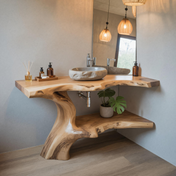
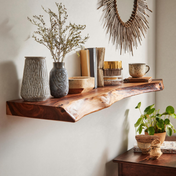
A wall mounted tree bookshelf is a stunning, space-saving focal point for bedrooms, living rooms, and entryways. Its sculptural silhouette and staggered shelves make it both decorative and functional. But because a tree-style shelf often projects outward and carries uneven loads, safe and correct installation is essential. This guide covers professional, practical safety tips to secure your wall mounted tree bookshelf properly, whether you choose a decorative tree bookshelf, a modern tree bookshelf, or a wooden tree bookshelf.

Why correct mounting matters
Unlike freestanding units, a wall mounted tree bookshelf depends on the wall and fasteners to bear its weight plus the weight of books, decor, and occasional leaning hands. Poor installation can cause tilting, partial failure, or sudden collapse that risks injuries and damage. Proper attachment prevents pulls on drywall, reduces tipping, and keeps shelves level and safe for kids and pets.
Tools and materials you'll likely need
- Stud finder (electronic or magnetic)
- Tape measure and pencil for layout
- Level (torpedo or longer 24" level for accuracy)
- Drill with appropriate bits and a screwdriver bit
- Wood screws sized to engage studs (commonly 2.5"–3.5")
- Heavy-duty wall anchors, toggles, or masonry anchors (for drywall or concrete)
- French cleat or mounting bracket (often included with wall mounted tree bookshelf designs)
- Socket wrench or driver for bolts
- Protective gloves and safety glasses
Locate studs and plan load points
Studs are the strongest anchor points. Use a stud finder to mark every stud in the planned area. Typical stud spacing is 16" on center, sometimes 24". For a tall tree bookshelf, mark at least two studs vertically aligned if possible. Anchor shelves into studs whenever you can.

If studs don't align with the bookshelf's major load-bearing points, plan for heavy-duty anchors like toggle bolts or install a plywood backing fastened to multiple studs to spread loads.
Choosing the right fasteners by wall type
- Drywall with studs: Use wood screws (2.5"–3.5") into studs. Pilot-drill slightly smaller than screw shank to avoid splitting the stud.
- Drywall without studs: Use heavy-duty metal toggle bolts, molly bolts rated for the expected load, or a commercially rated drywall anchor sized for books. Do not rely on plastic expansion anchors for heavy loads.
- Plaster walls: Use toggle anchors or install into studs. Pre-drill slowly to avoid cracking plaster.
- Concrete or brick: Use masonry anchors or wedge anchors with a hammer drill and proper masonry bits.
Recommended mounting systems
Three mounting approaches are widely used and reliable:

- French cleat: A wide, continuous cleat distributes weight across multiple fasteners and makes leveling easier. Ideal for decorative tree bookshelf panels and heavier wooden tree bookshelf models.
- Keyhole or bracket mounts: Simple and effective for lighter modern tree bookshelf units if secured into studs.
- Direct-screw bracket system: Brackets screwed into studs behind the bookshelf provide a concealed, rigid attachment—great for narrow tree bookshelf designs that need vertical support.
Step-by-step installation checklist
- Measure and mark: Position the bookshelf, measure heights for comfortable access, and mark key attachment points on the wall. Consider eye level for decorative displays and reach for bedrooms.
- Find and mark studs: Confirm stud center lines with a stud finder and verify by drilling a small pilot hole if needed.
- Transfer bracket locations: Hold the cleat or bracket against the wall and mark screw holes. Use a level to ensure horizontal alignment—tree-shaped shelves look off-balance if slightly tilted.
- Piloting and fastening: Drill pilot holes into studs, then fasten screws or lag bolts. For drywall anchors, follow manufacturer's hole size and torque guidance. Tighten securely but avoid over-torquing, which can strip anchors.
- Mount the bookshelf: Lift the tree bookshelf onto the cleat or brackets. For tall or heavy units, have a helper. Slide the unit down to engage the mount and check that it seats fully.
- Test incrementally: Add weight slowly. Start with small objects and check for movement. If you notice shifting, remove contents and re-evaluate anchors and fasteners.
Load planning and shelf placement
Plan where heavy items will sit. Place the heaviest books and objects on the lowest shelves near studs. Avoid concentrating large weights on one small shelf or cantilevered branch. Distribute weight symmetrically where possible to limit torque at attachment points.
Special considerations for bedrooms and living rooms
- Tree bookshelf for bedroom: Prioritize secure anti-tip measures because children may climb or pull. Keep heavy items off the top shelves and install anti-tip straps if the unit has a base that could be leveraged.
- Tree bookshelf for living room: Focus on aesthetics plus stability. A decorative tree bookshelf may carry artwork and electronics—ensure anchors are rated for those combined loads.
- Narrow or tall tree bookshelf: Narrow tree bookshelf designs need extra vertical anchoring or a continuous cleat to prevent rotation around the top fasteners.
Child, pet, and earthquake safety
Secure all tall and wall mounted furniture with anti-tip straps or additional brackets. Use straps that anchor to studs and follow manufacturer torque specs. In seismic zones, install seismic-rated hardware and consider flexible straps that allow slight movement without detaching.

Material and finish considerations
Wooden tree bookshelf models are heavier than lightweight modern or decorative alternatives. Account for the material weight when selecting anchors and fasteners. Moisture-prone rooms like basements may require treated wood and rust-proof hardware. For plaster or older walls, consider adding a plywood mounting plate anchored to multiple studs to protect brittle surfaces.
Maintenance and periodic inspection
Perform inspection every 6–12 months: check fasteners for looseness, verify that the unit is still level, and look for cracks or stress marks in drywall around anchors. Tighten screws if necessary and replace any stripped anchors. If a bookshelf shows signs of movement under normal load, re-anchor it using stronger hardware or a different mounting method.
Troubleshooting common problems
- Unit pulls away from wall: Likely overloaded or anchors failed. Remove contents, support the shelf, and replace with stud-mounted screws or heavy-duty toggles.
- Shelf tilts after mounting: Loosen and re-level the cleat/bracket, verify stud locations, and ensure all mounting screws are fully seated.
- Anchors strip: Use a larger anchor, a toggle bolt, or relocate to a stud. For repeated stripping, add a backing plate attached to multiple studs.
Final checklist before filling the shelves
- All screws and bolts are tightened to recommended torque.
- The shelf is level and fully engaged with its mounting hardware.
- Heavy items are placed low and near studs.
- Anti-tip straps are installed if the design or household needs them.
- You performed an incremental load test before full use.
Conclusion
A well-installed wall mounted tree bookshelf combines form and function safely. Whether you choose a decorative tree bookshelf for living room display, a modern tree bookshelf for a streamlined look, or a wooden tree bookshelf with rich grain, following these installation and safety tips will protect your home and family while keeping your shelving beautiful and secure for years. When in doubt about anchor selection or heavy installations, consult a licensed contractor or structural professional.
Quick reference: Key safety reminders
- Always anchor into studs when possible.
- Use the appropriate anchor type for your wall material.
- Distribute weight, keep heavy items low, and use anti-tip devices.
- Inspect mounts periodically and after any impact or movement.
- Prioritize professional help for very heavy or complex installations.
With these precautions, your wall mounted tree bookshelf will be a safe, attractive feature in any room—ideal for a tree bookshelf for bedroom, a tree bookshelf for living room, or any space where form meets function.