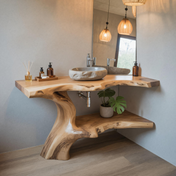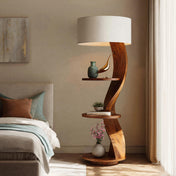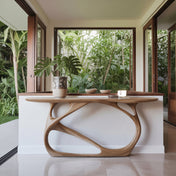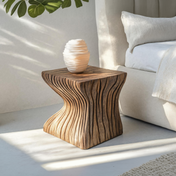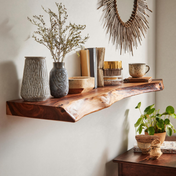

A well-chosen bathroom vanity can completely change the mood of a bathroom. If your goal is to create a space that feels calm, polished, and timeless, a white vanity is one of the most reliable design choices available. White reflects light, softens visual clutter, and pairs beautifully with nearly every finish, from brushed nickel and matte black to warm brass and natural wood accents. Whether you are refreshing a powder room or planning a full primary bath renovation, white bathroom vanity inspiration can help you build a room that feels clean, elevated, and easy to live with every day.

The appeal of a white bathroom vanity lies in its versatility. It can look crisp and modern, classic and tailored, or warm and organic depending on the countertop, hardware, mirrors, and wall finishes around it. A white vanity also creates an ideal backdrop for popular supporting styles, including a rustic wood bathroom vanity look, a refined custom bathroom vanity, or a mixed-material design featuring a white oak bathroom vanity accent. Because of this flexibility, white vanities continue to remain a favorite among homeowners, designers, and builders who want a sophisticated bathroom that will age gracefully.
Why a White Bathroom Vanity Feels So Calm
Color psychology plays a major role in bathroom design. White evokes cleanliness, simplicity, and visual rest. In a room where people begin and end their day, these qualities matter. A white vanity helps the bathroom feel more open, especially in smaller spaces where darker cabinetry may make the room feel tighter or heavier. It also works beautifully with daylight and layered lighting, helping to bounce brightness around the room for a fresh, airy effect.
Beyond color, the smooth and polished appearance of a white vanity supports a sense of order. Even when the vanity design includes detailed millwork or classic paneling, the finish tends to feel composed rather than busy. This makes it easier to add personality through texture, tile, and décor without overwhelming the room. In practical terms, white cabinetry also makes it easy to coordinate future updates. If you decide to swap hardware, repaint walls, or replace mirrors later, your white vanity will continue to work.
Choosing the Right White Bathroom Vanity Style
Not every white vanity creates the same effect. The most successful choice depends on your bathroom size, layout, storage needs, and the atmosphere you want to create. A sleek floating vanity offers a more modern and open feel, while a freestanding cabinet vanity brings structure and classic presence. If your bathroom leans traditional, shaker doors, framed drawers, and marble-style counters are dependable choices. If you prefer a transitional design, a simple profile with subtle hardware and clean edges offers balance.
For homes that mix warm and cool elements, pairing white cabinetry with wood can be especially effective. A white vanity can stand beside shelving, mirror frames, or trim in oak or walnut to introduce softness and depth. In some projects, a freestanding wood bathroom vanity in a pale painted finish becomes the perfect bridge between natural materials and a brighter palette. This layered approach keeps the bathroom polished while avoiding a sterile look.
White Vanity Ideas for Small Bathrooms
In compact bathrooms, a white vanity can make an outsized impact. Light-colored cabinetry visually recedes, helping the room appear larger and less crowded. A narrower vanity with open space below can enhance that effect even more. If storage is limited, select drawers with internal organizers so the vanity remains streamlined on the outside while staying highly functional inside.
A single-basin setup is often best in smaller rooms, making a single sink wood bathroom vanity concept especially useful if you want to combine compact dimensions with natural texture. For example, a vanity with a white painted body and a wood shelf or wood-framed mirror can add warmth without making the space feel heavy. Pair the vanity with a light quartz top, a simple backsplash, and large-format wall tile to continue the airy look.

Mirrors also matter. A generously sized mirror above a white vanity expands visual space and reflects both natural and artificial light. If the bathroom lacks a window, consider sconces or vertical lighting on either side of the mirror to create balanced illumination that flatters the vanity area and reinforces the calm, polished atmosphere.
Elegant White Vanity Options for Larger Bathrooms
In a spacious bathroom, a white vanity can become a defining architectural feature. This is where proportion, storage planning, and countertop selection become especially important. A larger vanity offers the opportunity to include more drawers, tower cabinets, integrated organizers, and a stronger visual presence. To prevent the design from feeling too plain, use layered materials such as stone, tile, glass, and wood to give the white cabinetry dimension.
Many larger bathrooms benefit from a double sink wood bathroom vanity arrangement. This setup improves everyday functionality for shared spaces and creates a luxurious, tailored look. A white finish on the cabinet can keep the room feeling bright and orderly, while warm wood details in stools, shelving, ceiling beams, or flooring add richness. If you want a vanity that looks built specifically for your room, a custom bathroom vanity allows you to tailor drawer heights, sink spacing, toe kicks, and storage solutions around your routine.
White and Wood: A Timeless Combination
One of the most enduring bathroom design strategies is pairing white with natural wood. This combination brings together cleanliness and warmth, structure and softness. A white vanity can be accented with wood drawer fronts, side panels, open shelving, or a wood countertop detail. Alternatively, a mostly wood vanity can be topped with a white sink and counter to achieve a similar calm balance.
A white oak bathroom vanity is especially appealing for homeowners who want a modern organic look. White oak has a light, subtle grain that complements white finishes rather than competing with them. Used as an accent, it adds texture and depth. Used as the main material in a vanity area with white walls and counters, it creates a spa-like environment that still feels bright and polished.
For more character, some homeowners explore a rustic wood bathroom vanity approach with white surroundings. In that case, a white vanity can be paired with reclaimed wood mirrors, rustic stools, woven baskets, and soft stone tile. The result is grounded and inviting, yet still refined enough for an updated interior.
Countertop and Sink Pairings That Enhance a White Vanity
The countertop you choose can dramatically influence how your white vanity reads in the room. White quartz delivers a seamless and contemporary look, especially when paired with simple rectangular undermount sinks. Marble or marble-look surfaces add a more luxurious and classic quality. For greater contrast, soapstone-inspired dark counters can sharpen the lines of a white vanity and make hardware stand out.

Sinks also shape the overall style. Undermount sinks tend to look clean and integrated, making them ideal for a polished bathroom. Vessel sinks add sculptural interest but should be chosen carefully to avoid interrupting the calm simplicity that white vanities often provide. If durability and easy maintenance are priorities, integrated sink tops can be an excellent option because they create fewer seams and a highly streamlined surface.
For homeowners interested in a solid wood bathroom vanity with sink aesthetic but who still want the visual lightness of white, a smart compromise is to choose a vanity with a painted white frame and select wood elements in the lower shelf, drawer interiors, or mirror surround. This preserves the softness of white while honoring the warmth and authenticity of wood.
Hardware and Finish Selections for a Polished Look
Hardware acts like jewelry for a vanity. On a white cabinet, it becomes even more noticeable, which means thoughtful selection matters. Brushed brass introduces warmth and understated luxury. Polished chrome feels crisp and classic. Matte black creates stronger contrast and a more contemporary edge. Nickel remains one of the most flexible options, pairing well with nearly any faucet and mirror style.
The shape of the hardware matters as much as the finish. Slim bar pulls emphasize a more modern vanity, while knobs and cup pulls suggest a traditional or farmhouse influence. If your bathroom includes wood accents, try repeating a warm metal finish that complements the wood undertone. This creates continuity across the vanity, lighting, and shower fixtures.
Backsplash, Tile, and Wall Color Ideas
A white bathroom vanity becomes even more compelling when supported by the right surfaces. Soft gray, warm greige, pale taupe, and muted sage wall colors all pair beautifully with white cabinetry and reinforce a restful mood. If you prefer all-white walls, add variation through texture rather than color. Handmade-look tile, subtle veining in stone, or ribbed glass lighting can keep the room from feeling flat.
Backsplashes and surrounding tile should be selected with both style and maintenance in mind. Vertical stacked tile creates a clean modern look. Classic subway tile keeps things timeless. Mosaic details can introduce personality, but use them in a controlled way to preserve the vanity’s quiet elegance. Floor tile in a gentle stone tone or wood-look finish can ground the vanity while keeping the room cohesive.
Storage Planning for Everyday Function
Beautiful bathroom design only works when it supports daily routines. A calm and polished vanity should not just look neat; it should make neatness easier to maintain. Prioritize drawer storage for frequently used items, since drawers generally offer better visibility and easier access than deep cabinets. Include dividers for makeup, grooming tools, skincare, and backup supplies so counters can remain uncluttered.

This is where a custom bathroom vanity often proves worthwhile. Custom sizing allows you to fit the vanity exactly to the room, while interior storage solutions can be designed around your habits. In a family bathroom, that might mean separate zones for each person. In a guest bath, it may mean maximizing hidden storage while keeping the visible design minimal and welcoming.
How to Keep a White Vanity Looking Fresh
Some homeowners hesitate to choose white cabinetry because they worry it will show dirt more easily. In practice, a high-quality painted or factory-finished vanity is quite manageable with regular care. The key is to clean spills promptly, use non-abrasive products, and choose durable finishes suited to humid bathroom environments. Soft-close drawers and quality hardware also help preserve the vanity over time by reducing wear and impact.
Routine maintenance supports the polished effect that makes white vanities so attractive. Wipe counters daily, dust drawer fronts and hardware weekly, and check for water around faucets and sinks. If the vanity includes wood accents, follow finish-specific care instructions to protect against moisture changes. These simple habits go a long way toward preserving a crisp and elegant appearance.
Mixing White Vanity Designs with Trending Bathroom Styles
A white vanity adapts easily to many popular bathroom aesthetics. In modern organic interiors, it pairs well with white oak, natural linen textures, and stone-look surfaces. In classic bathrooms, it works beautifully with framed mirrors, polished nickel, and marble-inspired counters. In farmhouse-inspired spaces, a white vanity can complement shiplap, vintage lighting, and even a live edge bathroom vanity accent used elsewhere in the room for contrast and personality.
If your home leans transitional, a white vanity may be the strongest anchor you can choose. It allows you to blend contemporary and traditional elements with confidence. For example, you might combine a white vanity with sleek sconces, warm brass hardware, a softly veined countertop, and a simple wood stool. The room feels current without becoming trend-dependent.
Design Mistakes to Avoid
While white vanities are flexible, they still benefit from careful planning. One common mistake is creating a bathroom that feels too cold or clinical by pairing white cabinetry with harsh lighting and too many hard, glossy surfaces. Balance white with warmer textures, gentler tones, and layered lighting. Another mistake is underestimating the importance of scale. A vanity that is too small for the room can feel insignificant, while one that is too bulky can disrupt flow and make cleaning harder.
It is also important to think beyond the cabinet itself. The mirror, faucet, sconces, wall color, and flooring all influence how the vanity reads. A white vanity looks best when it feels integrated into the full composition of the bathroom rather than chosen in isolation.
Final Thoughts on White Bathroom Vanity Inspiration
If you want a bathroom that feels serene, polished, and enduring, a white bathroom vanity is a smart foundation. It brightens the room, supports many design styles, and makes it easy to layer in wood, stone, metal, and textile accents. Whether you are drawn to a minimalist vanity, a double sink wood bathroom vanity, a compact single sink wood bathroom vanity, or a tailored custom bathroom vanity, white offers the clarity and elegance that help a bathroom feel more intentional.
The best white vanity designs do more than look attractive in photos. They improve storage, support daily routines, and create a sense of quiet order that lasts well beyond passing trends. By thoughtfully pairing white cabinetry with the right materials and details, you can create a bathroom that feels calm every morning and polished every evening.