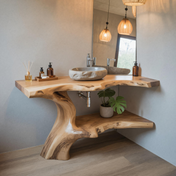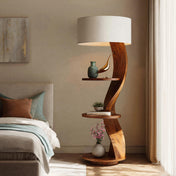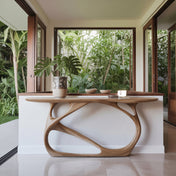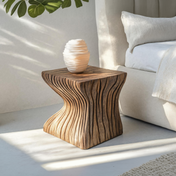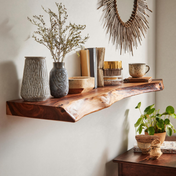

Introduction: Why a Tree Shaped Bookshelf Works in Small Spaces
In compact homes and apartments, a tree shaped bookshelf delivers form and function. It makes vertical storage attractive, uses often-wasted wall space, and creates an architectural focal point without the bulk of traditional bookcases. Whether you want a decorative tree bookshelf, a sleek modern tree bookshelf, or a sturdy wooden tree bookshelf, the concept scales well to narrow corners, entryways, and children's rooms.

Key benefits at a glance
- Vertical storage maximizes floor space
- Customizable branch shelving fits books, decor and plants
- Design-forward pieces double as art
- Multiple finishes and materials suit any interior
Design Options and Styles
Tree shaped bookshelves range from sculptural wall decals with tiny ledges to multi-tiered freestanding units that mimic trunk and branches. Choose a style that reflects your space and needs.
Decorative tree bookshelf
A decorative tree bookshelf emphasizes ornamentation — carved details, painted trunks, or laser-cut plywood silhouettes. These are ideal when the shelf is meant to be a statement piece in a living room or nursery.
Modern tree bookshelf
The modern tree bookshelf pares down the shape to clean lines and geometric branches. Think powder-coated metal frames, thin plywood shelves, and asymmetrical spacing for a contemporary look that keeps the footprint light.
Wooden tree bookshelf
A wooden tree bookshelf brings warmth and durability. Solid hardwoods like oak, walnut or birch plywood provide long life and higher weight capacity, while mixed-material designs (wood + metal) combine stability and slender profiles.
Sizing and Measuring for Small Spaces
Before you buy or build, measure. Successful tree shaped bookshelf projects begin with accurate dimensions.
- Height: Keep clearance for ceiling fixtures and crown molding. Typical ranges: 60" to 84" for full-height units.
- Depth: For reading books, 8"–12" shelving depth is standard. Narrow shelves (6"–8") work for paperbacks and decor.
- Branch spacing: Allow 10"–12" vertical clearance for most books; larger art books need 12"–15".
- Floor footprint: Measure corner width; slim trunk designs can fit in 12"–16" wide spots.
Sketch a to-scale plan showing nearby doors, windows, radiators and baseboards so the shelf integrates without interfering with circulation.

Materials and Weight Capacity
Material selection affects durability, weight capacity and cost. Match material to purpose:
- Particleboard/MDF: Cost-effective, smooth finish, but lower weight tolerance (typically 15–25 lbs per shallow shelf). Use for decorative, low-load shelving.
- Plywood: Strong and stable when using quality hardwood plywood (birch or maple). Expect 30–50 lbs per shelf depending on shelf depth and support spacing.
- Solid hardwood: Highest load capacity and longevity. Shelves can reliably hold 50+ lbs each with proper joinery.
- Metal frames: Steel or aluminum supports with thin wooden shelves create a modern look with excellent strength-to-size ratio.
For safety, assume worst-case load and plan supports accordingly. Use thicker shelves or additional brackets for heavy collections like hardcover books or equipment.
Mounting, Anchoring and Anti-Tip Measures
Anchoring is non-negotiable for tree shaped bookshelves, especially tall or freestanding designs. Secure shelving prevents tip-over accidents and protects your collection.
Wall-mounted tree shelves
- Mount to studs when possible using lag screws through a solid back plate or French cleat system.
- If studs are not available, use heavy-duty toggle bolts or molly anchors rated for the expected load.
- Use a continuous cleat (French cleat) to distribute weight along the wall and simplify installation.
Freestanding units
- Install anti-tip straps or brackets to the top and anchor them to studs or masonry.
- Add a rear brace or cross-member to increase lateral stability.
- Wide bases or integrated low storage (drawers/bench) lower the center of gravity.
For children's rooms, anchor at multiple points and avoid placing heavy items on uppermost branches.
Assembly Tips and Common Joinery
Most commercial tree shaped bookshelves arrive with hardware and step-by-step instructions. If building, choose joinery methods that match your tools and expected loads.
Easy assembly methods
- Cam lock fasteners and dowels: Good for flat-pack kits; moderate strength when assembled correctly.
- Pocket hole joinery: Fast and strong for connecting shelves to trunk components; ideal for plywood or solid wood.
- Dado or rabbet joints: Excellent for long-lasting shelving — dados cradle shelves and distribute load into the trunk.
Pre-drill holes, use wood glue for permanent joints, and reinforce load-bearing shelves with steel brackets or cleats if heavybooks are planned.

DIY Plan: Basic Tree Shaped Bookshelf (Overview)
This overview helps DIYers decide whether to attempt a build. It’s intentionally high-level; consult detailed plans for exact dimensions and safety checks.
Materials
- 3/4" hardwood plywood or 1" solid boards for trunk and shelves
- Pocket hole screws or wood glue and biscuits
- Back brace lumber (1x2 or 1x3) and anti-tip strap
- Finish: stain, water-based polyurethane or hardwax oil
Tools
- Circular saw/table saw, jigsaw for branch curves
- Router for dados, pocket hole jig optional
- Sander, clamps, drill, level
Steps (summary)
- Draw a full-size template of trunk and branch layout on paper.
- Cut trunk/profile pieces and shelf blanks; dry-fit to test spacing.
- Create dados where shelves meet trunk or use pocket holes for joinery.
- Assemble trunk and attach shelves; add rear brace and anchor hardware.
- Sand, apply finish, let cure completely before loading.
Finish with rounded edges on lower shelves for child safety and use a durable finish if the shelf will hold heavy objects.
Styling, Organization and Multi-Function Uses
Integrate a tree bookshelf into your interior by thinking beyond books.
- Use baskets and bins on lower branches for toys, magazines, or accessories.
- Add LED strip lights under shelves to create ambient lighting and highlight objects.
- Combine with a reading nook bench or built-in desk to create a multifunction zone.
- Alternate books with art, plants and sculptural pieces to avoid a cluttered look.
For a modern tree bookshelf, choose monochrome or two-tone palettes. For a decorative tree bookshelf, consider painted trunks or patterned backing panels.
Child Safety and Durable Finishes
Safety should guide material and finish choices for family homes.
- Always anchor tall units to studs with straps or brackets.
- Round or chamfer exposed edges; avoid sharp corners at child height.
- Use non-toxic, low-VOC or water-based finishes rated for indoor furniture.
- Avoid small decorative elements that can be choking hazards; secure loose parts with glue or screws.
Wipeable finishes help hide fingerprints and reduce the need for harsh cleaners that can damage wood over time.

Sustainability and Eco-Friendly Choices
If environmental impact matters, select sustainable options:
- FSC-certified hardwoods or plywood ensure responsible forestry.
- Reclaimed wood gives character and lowers embodied carbon.
- Bamboo plywood is fast-growing, strong and renewable.
- Low-VOC finishes and adhesives minimize indoor air pollution.
Sourcing locally milled lumber reduces shipping emissions and often yields unique grain patterns.
Pros, Cons and Practical Considerations
Pros
- Space-efficient vertical storage
- Strong visual statement — acts as furniture and art
- Flexible styling for modern or decorative interiors
Cons
- Irregular shelf shapes limit storage efficiency for stacked items
- Potentially higher cost for custom woodworking
- May require careful anchoring and assembly
Balance the emotional impact of the design against practical needs: if you need dense book storage, a traditional shelving unit might still be the best choice.
Buying Guide and Price Ranges
Know what to expect when purchasing a tree shaped bookshelf.
- Budget decorative units: $80–$250 — usually MDF or lightweight plywood, limited weight capacity.
- Mid-range modern/wood designs: $250–$600 — better plywood, metal frames, increased durability.
- High-end custom or solid hardwood pieces: $600–$2000+ — premium materials and finishes, handcrafted details.
Check product specifications for shelf depth, weight rating per shelf, anchoring hardware included, and return policies. Always confirm shipping and assembly requirements.
Maintenance and Troubleshooting
Routine care keeps your tree bookshelf looking its best.
- Dust shelves regularly with a soft cloth; avoid wet mopping that can damage wood edges.
- Tighten hardware annually and inspect anchor straps for wear.
- Repair minor scratches with matching wax sticks or touch-up markers; refinish deeper dents as needed.
If a shelf sags over time, add a thin steel support underneath or relocate heavier books to lower shelves.
Final Checklist Before Buying or Building
- Measure the installation area and ceiling height accurately.
- Decide between wall-mounted or freestanding based on anchoring options.
- Choose materials based on expected load and budget.
- Confirm child-safety anchors and non-toxic finishes if applicable.
- Consider multifunction features (bench, hooks, lighting) to maximize value in a small space.
Conclusion
A tree shaped bookshelf is a versatile small space solution that blends storage, safety and style. Whether you opt for a decorative tree bookshelf that serves as a focal point, a modern tree bookshelf with minimalist appeal, or a robust wooden tree bookshelf for heavy loads, planning matters: measure first, select appropriate materials, and anchor securely. With the right choices, a tree bookshelf can transform a cramped corner into a curated, functional feature that elevates your home.