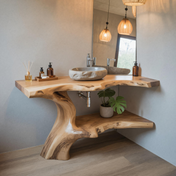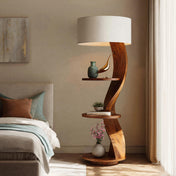

For readers who want storage that feels as inspiring as the books it holds, a tree shaped bookshelf offers a striking alternative to standard shelving. With branches that double as book supports and a silhouette that brings organic style indoors, this design has become a favorite among homeowners, apartment dwellers, parents, and dedicated collectors alike. Whether your taste leans modern, rustic, minimalist, or playful, the right tree shaped bookshelf can turn an ordinary corner into a true statement feature.

Beyond appearance, these shelves are often surprisingly practical. They make smart use of vertical space, help organize books in a visually dynamic way, and create a decorative focal point without requiring an entire built-in library. If you are searching for a piece that combines storage, personality, and efficient design, a tree bookshelf may be exactly what your room needs.
Why a Tree Shaped Bookshelf Appeals to Book Lovers
Book lovers usually want more than a place to stack novels. They want a display that reflects their relationship with reading. A tree shaped bookshelf does that beautifully by transforming storage into art. Instead of rows that feel purely utilitarian, the branch-inspired layout gives each shelf a sense of movement and character.
Another reason these bookshelves stand out is their versatility. They can work in living rooms, bedrooms, nurseries, home offices, and even hallways. Narrow footprints make many models ideal for small spaces, while larger versions can serve as dramatic anchors in more expansive rooms. For anyone trying to maximize style without sacrificing function, this type of shelving offers an excellent balance.
- Visual impact: The sculptural shape instantly draws attention.
- Space efficiency: Many designs take advantage of vertical wall space.
- Flexible organization: Books, plants, and decor can be mixed creatively.
- Conversation value: A tree bookshelf often becomes a memorable design feature.
Popular Tree Shaped Bookshelf Styles
Not all tree-inspired shelves look the same. Some are sleek and contemporary, while others emphasize a more natural, handcrafted feel. Understanding the major style categories can help you choose a unit that fits both your collection and your interior design.
Modern Minimalist Designs
Minimalist tree shaped bookshelf models often feature clean angles, symmetrical branching, and solid neutral finishes such as white, black, gray, or light oak. These pieces work especially well in Scandinavian, modern, and contemporary interiors. Their simple lines let the unusual silhouette stand out without overwhelming the room.
Rustic and Natural Wood Styles
If you love warm interiors and earthy materials, a rustic tree bookshelf can bring texture and authenticity into your space. These options often use wood-grain finishes, reclaimed wood looks, or darker tones that feel grounded and cozy. They pair well with leather chairs, woven baskets, vintage accents, and soft lighting.
Compact Corner Units
For smaller homes or apartments, compact versions are especially useful. A narrow tree shaped bookshelf can fit into underused corners while still offering enough branch space for paperbacks, journals, and decorative pieces. This makes it a practical solution for readers who need efficient storage but do not want bulky furniture.
Children’s Tree Bookshelves
In kids' rooms and play areas, tree-shaped shelving brings a whimsical, storybook quality that encourages reading. These shelves often come in bright colors or softer pastel tones and may be designed at a lower height for easier access. For parents building a reading-friendly environment, this style adds both charm and function.
Large Statement Pieces
Some tree shaped bookshelf designs are meant to be centerpieces. These taller, wider units can hold sizable collections and work beautifully behind a reading chair, along a feature wall, or in a home library. They are ideal for serious readers who want their book storage to make a bold design statement.

How to Choose the Best Tree Shaped Bookshelf
The most attractive shelf is not always the best fit for your home. To make the right decision, think about the practical demands of your space as well as the visual effect you want to achieve.
Consider the Size of Your Book Collection
Start by estimating how many books you plan to store. Some tree bookshelf models are designed more for styling than heavy storage, while others are built to handle larger collections. If you own many hardcovers, look for sturdy construction and generous shelf depth.
Measure Your Available Space
Because these shelves often have irregular branching, dimensions matter. Measure width, height, and depth carefully, and make sure the shelf will not obstruct walkways or crowd nearby furniture. In compact rooms, a vertical tree shaped bookshelf often works better than a wide, sprawling design.
Evaluate Material and Build Quality
Materials vary widely, from engineered wood and MDF to solid wood and metal-reinforced frames. If durability is a priority, especially in busy households, choose a model with stable construction, a solid base, and anti-tip hardware. A well-made shelf should look stylish while safely supporting the weight of your books.
Match the Finish to Your Decor
The finish of your tree bookshelf can strongly influence the room’s atmosphere. White creates an airy, modern feel. Black adds drama and sophistication. Natural wood introduces warmth and softness. Consider existing furniture, wall color, and flooring before choosing a finish.
Think About Multi-Purpose Use
Many readers use a tree shaped bookshelf for more than books alone. It can also display framed photos, candles, trailing plants, collectibles, and small storage boxes. If you want a balanced look, choose a shelf with enough variation in branch size to accommodate different objects gracefully.
Best Rooms for a Tree Bookshelf
One of the strongest advantages of a tree shaped bookshelf is how easily it adapts to different rooms. Its decorative quality allows it to serve as both storage and focal point.
Living Room
In a living room, a tree bookshelf can soften the lines of sofas, media units, and coffee tables. Place it near an armchair to create a cozy reading zone, or use it as a display piece on a blank wall. Styling it with books and a few carefully chosen accessories keeps the space curated rather than cluttered.
Bedroom
Bedrooms benefit from furniture that feels personal and calming. A smaller tree shaped bookshelf beside a reading chair or near the bed can hold current reads, journals, and decorative items. It offers visual interest without the heaviness of traditional large shelving.

Home Office
In a home office, a tree bookshelf introduces creativity into a workspace that might otherwise feel rigid. It is ideal for storing reference books, notebooks, and design objects while maintaining a polished, professional appearance.
Nursery or Kids’ Room
A child-friendly tree bookshelf can support early reading habits by making books visible and accessible. The nature-inspired form also adds playful personality to the room. Be sure to prioritize safety features such as rounded edges and wall anchoring.
Hallway or Entryway
If your hallway has a blank section of wall, a narrow tree shaped bookshelf can make the area feel purposeful and welcoming. It can hold a mix of books, baskets, and decorative accents while adding architectural interest to a transitional space.
Styling Tips for a Tree Shaped Bookshelf
To get the most from your shelf, think beyond simple storage. The branch layout invites a more intentional approach to display.
- Mix vertical and horizontal stacks: This creates rhythm and prevents the shelf from looking too uniform.
- Use color thoughtfully: Arrange books by tone for a decorative effect, or keep covers mixed for a more organic look.
- Add small plants: Greenery reinforces the natural tree motif beautifully.
- Leave some negative space: A few open sections help the design breathe and remain visually striking.
- Layer decor sparingly: Candles, framed art, or ceramics can enhance the shelf without distracting from the books.
When styling a tree shaped bookshelf, balance is essential. Because the structure already has a strong visual identity, a restrained arrangement often looks more sophisticated than an overcrowded one.
Pros and Cons of a Tree Shaped Bookshelf
Like any specialty furniture, this style comes with advantages and trade-offs. Understanding both can help you decide whether it is the best option for your needs.
Pros
- Distinctive design that doubles as decor
- Efficient use of vertical space
- Suitable for many room types and aesthetics
- Encourages creative book display
- Available in compact and large formats
Cons
- Some models have less usable space than standard shelves
- Irregular shelf shapes may not fit oversized books
- Lower-quality options may be less stable under heavy loads
- Highly decorative designs may not suit every interior
For many readers, the visual benefits far outweigh the limitations, especially when the shelf is chosen carefully with size, stability, and intended use in mind.
Materials Commonly Used in Tree Bookshelf Designs
Material affects not only appearance but also durability, weight capacity, and maintenance. Before purchasing, it helps to understand the most common construction options.
Engineered Wood
This is one of the most affordable choices and is widely used in modern tree shaped bookshelf designs. It is available in many finishes and colors, making it easy to match with existing decor. However, quality can vary, so look for thicker panels and reliable hardware.

Solid Wood
Solid wood models tend to be more durable and premium in appearance. They often offer better longevity and richer texture, though they may come at a higher price. For those seeking a long-term investment piece, solid wood is often worth considering.
Metal Accents or Frames
Some contemporary designs incorporate metal supports for added stability and an industrial edge. This combination can work especially well in urban interiors where clean lines and durable materials are preferred.
What Book Lovers Should Look for Before Buying
If your reading habit is serious, your shelving should be able to support it. A beautiful tree bookshelf should still perform well under daily use.
- Check the weight capacity of each shelf branch.
- Review assembly requirements before ordering.
- Look for anti-tip kits, especially for homes with children or pets.
- Read customer reviews for stability and finish quality.
- Confirm shelf dimensions if you own tall art books or large hardcovers.
It is also wise to think long term. Your book collection may grow, so choosing a slightly larger tree shaped bookshelf than you currently need can save you from replacing it too soon.
Maintaining a Tree Shaped Bookshelf
Maintenance is usually straightforward. Dust the surfaces regularly, avoid overloading individual branches, and wipe spills quickly to protect the finish. If the bookshelf is placed in direct sunlight, consider rotating decorative items or adjusting placement over time to minimize uneven fading.
For wood or wood-look surfaces, use gentle cleaners rather than harsh chemicals. Tighten hardware periodically, especially after moving the unit or adding a significant number of books. Simple care helps preserve both the appearance and structural integrity of your shelf.
Final Thoughts
A tree shaped bookshelf is more than a trend. It is a creative, functional piece that celebrates books while enhancing the room around them. For book lovers who want storage with personality, this style offers a refreshing mix of artistry and practicality. From compact apartment-friendly units to large statement shelves for serious collections, there is a tree bookshelf to suit nearly every space and aesthetic.
If you want your home library to feel more expressive, inviting, and visually memorable, a thoughtfully chosen tree shaped bookshelf can be a smart investment. It organizes your favorite reads, elevates your decor, and turns everyday storage into something worth admiring.