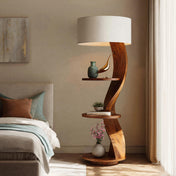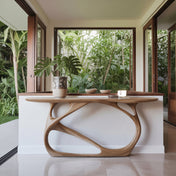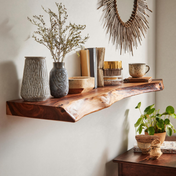

A wooden tree bookshelf is more than a storage piece. It is functional furniture, sculptural decor, and a practical way to display books without relying on a standard rectangular shelf. Its branching silhouette naturally draws the eye, making it an ideal focal point in a living room, bedroom, office, or reading nook. But because this style is visually dynamic, it also requires thoughtful styling to look intentional rather than cluttered.

If you want your shelf to look polished, curated, and professionally designed, the secret is to combine structure, restraint, and personality. Whether you own a tall tree bookshelf, a small tree bookshelf, or a narrow tree bookshelf, the same styling principles can help you create a balanced and beautiful result.
Why a Wooden Tree Bookshelf Stands Out
Unlike conventional shelving, a wooden tree bookshelf has an artistic form that mimics natural branches. This gives it a softer, more decorative appearance while still offering practical storage. It works especially well in spaces that need vertical storage, subtle visual movement, or a signature furniture piece that breaks up boxy lines.
In a tree bookshelf for living room settings, this design can soften modern interiors, warm up minimalist rooms, and add interest to underused corners. In smaller homes or apartments, it can also maximize vertical space without feeling heavy or bulky.
Start With the Right Placement
Even the best styling can fall flat if the shelf is placed poorly. Design experts first consider where the bookshelf will have the greatest visual impact and practical usefulness.
- Use corners wisely: A narrow tree bookshelf is excellent for tight corners, reading nooks, and spaces beside sofas.
- Anchor empty walls: A tall tree bookshelf can fill vertical wall space and make the room feel more complete.
- Create a feature zone: In a living room, position the shelf where it can be seen easily, such as beside an accent chair, next to a media console, or near a window.
- Protect visual flow: Avoid cramming the shelf into overcrowded layouts where its unique shape gets lost.
When choosing placement, leave enough breathing room around the bookshelf so its silhouette can be appreciated. This is especially important for a decorative design like a wooden tree bookshelf.
Choose a Styling Direction Before You Begin
One of the easiest ways to get a designer look is to decide on a clear aesthetic before adding books and accessories. A shelf styled without direction often looks random. A shelf styled with a consistent theme feels deliberate and elevated.
Popular directions include:
- Modern minimal: Neutral books, small ceramic objects, and plenty of open space.
- Organic natural: Warm wood tones, woven accents, trailing greenery, and earthy colors.
- Collected eclectic: Mixed book sizes, framed art, travel finds, and layered decor.
- Scandinavian calm: Light woods, simple shapes, muted tones, and restrained styling.
If your shelf is already a decorative tree bookshelf, let that sculptural quality lead your styling choices. Do not compete with it by over-accessorizing.
Use Books as the Foundation
Books should be the starting point of your styling strategy. Since the structure of a wooden tree bookshelf often divides books into angled or staggered sections, the arrangement matters more than it would on a standard shelf.
To create a design-expert look:

- Mix vertical and slightly fanned arrangements if the shelf design allows.
- Group books by color for a refined, cohesive effect.
- Keep oversized books toward the bottom for visual stability.
- Use some empty sections to avoid a crowded appearance.
- Stack a few books horizontally where the branch depth supports it.
On a small tree bookshelf, restraint is especially important. Instead of trying to fit every book you own, display a curated selection that also leaves room for decorative moments.
Follow the Rule of Visual Balance
Because branch shelves have irregular geometry, balance becomes essential. You do not want one side to feel too heavy or one branch overloaded while others appear empty. Professional stylists aim for visual balance rather than perfect symmetry.
Here is how:
- Distribute books evenly across the height of the shelf.
- Alternate dense sections with lighter ones.
- Place larger accessories lower and smaller pieces higher.
- Repeat tones or materials to guide the eye around the shelf.
If you have a tall tree bookshelf, think in zones: lower, middle, and upper. Make each zone feel connected, but not identical. This creates movement without chaos.
Add Decor Sparingly and Intentionally
The biggest mistake people make with a wooden tree bookshelf is treating every branch like a place for decor. Designers know that negative space is just as important as styling. A few well-chosen accents can make the entire shelf feel elevated.
Consider these decor options:
- Small ceramic vases
- Framed mini art pieces
- Sculptural bookends
- Candles or candle holders
- Tiny potted plants or faux greenery
- Decorative boxes for concealed storage
Limit yourself to a few accents that echo the room's wider design language. On a tree bookshelf for living room use, decor should connect to nearby furnishings, textiles, and colors so the shelf feels integrated into the overall space.
Work With a Controlled Color Palette
Color has a major effect on whether your shelf feels cohesive or messy. Experts often reduce visual noise by sticking to a controlled palette. This is particularly useful when styling open shelving with books of different heights and spine colors.
Good approaches include:
- Neutral palette: White, beige, black, taupe, and wood tones for a calm, sophisticated look.
- Earthy palette: Olive, rust, clay, brown, and cream to complement natural wood.
- Monochrome palette: Different shades of one color for a sleek, editorial feel.
- Contrast palette: Dark shelf with light books and accessories, or vice versa.
A modern tree bookshelf often looks best when the styling palette is simple and architectural. Too many bright, unrelated colors can distract from the shape of the piece.

Mix Heights, Textures, and Shapes
Design experts style shelves with contrast in mind. If every item is the same size or finish, the display can feel flat. Layering different textures and forms creates richness while preserving order.
Try combining:
- Smooth ceramics with matte paper book covers
- Natural wood with glass accents
- Vertical books with rounded objects
- Soft greenery with structured decor pieces
This contrast works beautifully on a wooden tree bookshelf because the organic branch form already introduces movement. Your accessories should support that movement, not fight it.
Style by Shelf Size and Shape
How to Style a Tall Tree Bookshelf
A tall tree bookshelf can quickly become top-heavy if not styled carefully. Keep more substantial books and objects near the base, and gradually lighten the visual weight as you move upward. The highest shelves are best for smaller books, a compact plant, or a single decorative accent.
How to Style a Small Tree Bookshelf
A small tree bookshelf benefits from simplicity. Select fewer books, prioritize attractive covers or favorite titles, and use one or two accents only. Since every item is more visible, each one should earn its place.
How to Style a Narrow Tree Bookshelf
A narrow tree bookshelf is ideal for slim spaces, but styling should remain light. Avoid bulky objects that protrude too far. Small framed art, compact books, and tiny planters work best while preserving the slim silhouette.
Make It Functional, Not Just Beautiful
The best shelf styling is both attractive and usable. A wooden tree bookshelf should still support your reading habits and daily routines. If it becomes too decorative to function, it loses part of its value.
Ask yourself:
- Can I easily reach the books I use most?
- Are the heaviest books safely positioned?
- Have I left enough open room to keep the shelf from looking crowded?
- Does the styling support the purpose of the room?
For example, a tree bookshelf for living room use may combine coffee-table books, novels, and a few accent objects. In a home office, the same shelf may lean more practical with reference books and minimal decor.
Incorporate Greenery the Smart Way
Plants pair naturally with a wooden tree bookshelf because the organic shape already references nature. However, scale matters. Oversized plants can overwhelm the design, while tiny touches of greenery can make the shelf feel fresh and alive.

Great options include:
- Small pothos or trailing vines
- Compact succulents
- Mini faux eucalyptus stems in bud vases
- Low-maintenance snake plant nearby, rather than on the shelf itself
If the shelf is placed in low light, faux greenery can still deliver the same visual softness without maintenance concerns.
Use the Shelf to Reflect Your Personality
What separates a beautifully styled shelf from a generic one is personality. Once you have the structure right, add pieces that say something about you. This could be a favorite author collection, a travel souvenir, a framed quote, or an heirloom object.
The key is editing. One meaningful object often has more impact than five random ones. A decorative tree bookshelf should feel personal, but never overfilled.
Common Styling Mistakes to Avoid
Even a striking wooden tree bookshelf can lose its appeal if styled carelessly. Avoid these frequent mistakes:
- Overpacking every branch with books or decor
- Using too many unrelated colors
- Ignoring weight balance from top to bottom
- Choosing accessories that are too large for the shelf depth
- Mixing too many themes at once
- Letting cords, paper clutter, or miscellaneous items collect nearby
Clean editing is what makes a shelf look designer-styled instead of improvised.
Best Styling Ideas for a Tree Bookshelf in the Living Room
A tree bookshelf for living room arrangements often need to do several things at once: store books, enhance the room's style, and contribute to the overall atmosphere. A few reliable formulas work particularly well:
- Modern lounge look: Neutral books, black accents, one sculptural vase, and soft ambient lighting nearby.
- Cozy reading corner: Favorite novels, a small plant, candle, and a chair with a textured throw beside the shelf.
- Organic contemporary: Earth-toned books, ceramics, woven basket below, and natural wood decor.
- Minimal curated display: Fewer books, more spacing, and just one standout decorative object.
Positioning a floor lamp, side chair, or small rug near the shelf can help create a complete vignette rather than making the bookshelf feel isolated.
How to Refresh the Look Seasonally
You do not need to restyle the entire shelf every time you want a change. Designers often refresh shelving subtly through seasonal edits.
- Spring: Add lighter book covers, fresh greenery, and soft ceramics.
- Summer: Keep it airy with fewer accessories and brighter accents.
- Autumn: Introduce warm tones like rust, amber, and brown.
- Winter: Layer in darker spines, candles, and richer textures.
This approach keeps your wooden tree bookshelf feeling current without compromising its core design.
Final Thoughts
Styling a wooden tree bookshelf like a design expert comes down to intention. Start with the right placement, use books as your base, control the color palette, and add decor with restraint. Whether you are working with a tall tree bookshelf, a small tree bookshelf, or a narrow tree bookshelf, the goal is always the same: create a display that feels balanced, personal, and visually calm.
When styled well, a wooden tree bookshelf becomes more than storage. It becomes a statement piece that adds warmth, character, and structure to your home. With thoughtful editing and a clear design direction, you can turn this unique shelf into one of the most impressive features in your space.