
Tree Shaped Bookshelf: The Must-Have Features Every Book Lover Needs
For book lovers, a tree shaped bookshelf is more than furniture: it's a statement piece that merges form and function. Whether you want a sculptural centerpiece or a clever space-saving solution, the right tree shaped bookshelf elevates your collection while protecting and organizing it. This guide explains the must-have features to evaluate before buying or commissioning a tree bookshelf so you can choose with confidence.

Why a Tree Shaped Bookshelf?
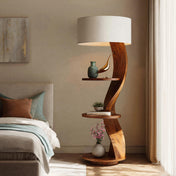
The tree shaped bookshelf blends artistry with practical storage. Its branching silhouette allows staggered shelf depths and asymmetrical layouts—perfect for books of different sizes, decorative objects, plants, and framed photos. For many readers, it's an emotional choice too: a design that visually celebrates growth, knowledge, and nature.
1. Stability and Load Capacity
Stability is the top priority. A tree shaped bookshelf must support concentrated weight on uneven branches and shelves. Look for these indicators:
- Solid base or wall-mount option: A heavy, wide base or secure wall anchors prevent tipping, especially in homes with children or pets.
- Load rating per shelf: Reputable manufacturers list maximum weight per shelf. Aim for at least 20–30 lbs (9–14 kg) per shelf for mixed book sizes.
- Reinforced joints: Dovetail, metal brackets, or integrated supports at branch junctions add rigidity.
2. Material and Finish
Material determines longevity, appearance, and weight. Common materials include:
- Solid hardwood (oak, walnut, maple): Durable and repairable. Ideal for heirloom-quality tree shaped bookshelves.
- Plywood with veneer: More affordable and stable against warping when well-made.
- Metal frames with wood shelves: Contemporary look with high structural strength.
For finish, choose low-VOC stains or water-based clear coats for indoor air quality. A matte finish hides scratches better than high-gloss.
3. Shelf Depth, Height, and Spacing
Books vary in size: novels, mass-market paperbacks, art books, and tall coffee-table volumes all have different needs. Key dimensions:

- Shelf depth: Minimum 8–10 inches (20–25 cm) for paperbacks; 12–14 inches (30–35 cm) for larger books and display items.
- Vertical spacing: Adjustable or staggered shelving accommodates tall books. Look for shelves that allow 12–18 inch (30–45 cm) variations.
- Top shelf accessibility: Consider reach—avoid high, deep top branches unless you have a step stool or ladder.
4. Modularity and Adjustability
Modular or adjustable designs increase longevity and versatility. Features to seek:
- Adjustable shelf pins or removable branches to reconfigure as your collection changes.
- Interlocking modules that let you expand horizontally or stack vertically while maintaining structural integrity.
5. Wall Mounting and Anchoring Options
Because tree shaped bookshelves often have a narrow footprint, anchoring is critical. Check whether the product includes:
- Brackets and hardware for secure wall attachment
- Clear installation instructions and recommended fasteners for drywall, studs, or masonry
If the shelf is freestanding, ensure the base is weighted or wide enough to prevent tipping when loaded unevenly.
6. Safety Considerations
Child and pet safety can't be overlooked. Look for:
- Anti-tip kits included or recommended
- No sharp corners or exposed screws at child-height
- Non-toxic finishes and rounded edges on shelves
7. Aesthetics, Scale, and Room Placement
A tree shaped bookshelf should harmonize with the room scale. Tips:

- Measure ceiling height and wall width: a floor-to-ceiling tree bookshelf can be dramatic but must fit circulation paths.
- Choose a finish that complements existing furniture—stained wood for warmth, painted or metal for a contemporary look.
- Consider asymmetry as a feature: place visually heavier elements lower to ground the design.
8. Storage Versatility
Beyond books, your tree bookshelf can house electronics, plants, baskets, and collectibles. Look for a mix of:
- Open shelves for display
- Closed compartments or drawers to hide clutter
- Integrated cable management if you plan to place lights or speakers
9. Sustainability and Build Quality
If environmental impact matters, choose sustainably sourced wood (FSC-certified), reclaimed timber, or low-emission manufacturing. Inspect construction details like consistent grain matching, tight joints, and quality hardware—these indicate a bookshelf that will last decades.
10. Maintenance and Care
Proper care keeps your tree shaped bookshelf looking new:
- Dust regularly with a soft cloth; avoid water on unfinished wood
- Use felt pads under decorative objects to prevent scratches
- Tighten brackets and screws annually to maintain stability
11. Buying Tips and Budget Considerations
Create a checklist before shopping: intended location, maximum footprint, desired material, weight capacity, and budget. Price ranges:
- Budget (assembled particleboard/veneer): $100–$400
- Mid-range (solid plywood or mixed materials): $400–$1,200
- High-end (solid hardwood, custom): $1,200–$5,000+
Custom options let you tailor dimensions, branch configuration, and finishes—ideal for awkward spaces or unique collections.

12. Styling Your Tree Shaped Bookshelf
Design tips to showcase your collection:
- Mix vertical and horizontal stacks to vary rhythm. Use horizontal piles as bookends for taller sections.
- Introduce negative space—leave some branches empty to maintain the sculptural quality of the tree design.
- Add greenery: small potted plants or trailing vines complement the tree motif but avoid overwatering near wood.
- Use integrated lighting or LED strips to highlight featured books and add depth.
13. Common Mistakes to Avoid
- Underestimating weight: don’t overload narrow branches with heavy art books.
- Buying purely for looks: prioritize structural features over novelty if you plan heavy use.
- Neglecting anchoring: unsecured tall shelves are a tipping hazard.
Frequently Asked Questions
Q: Is a tree shaped bookshelf practical for large collections?
A: Yes, if you choose a design with adequate depth, reinforced shelves, and modular expansion options. For very large collections, integrate additional traditional shelving to maximize capacity.
Q: Can I build a DIY tree bookshelf?
A: Many makers build custom tree bookshelves using plywood templates and joinery. If you DIY, prioritize a sturdy base, consistent shelf depths, and clear wall anchoring plans.
Q: How do I keep a tree bookshelf child-safe?
A: Anchor it to the wall, avoid heavy items on high shelves, and use rounded edges and non-toxic finishes.
Conclusion
A well-designed tree shaped bookshelf is both a functional storage system and a sculptural centerpiece. When evaluating options, prioritize stability, appropriate shelf depth, material quality, safety, and modularity. With the right blend of features, your tree bookshelf will showcase your books beautifully and stand the test of time—both practically and aesthetically.
Ready to choose the perfect tree bookshelf? Measure your space, list your must-haves, and use this guide to compare designs and materials. Your ideal tree shaped bookshelf is out there—rooted in quality and branching into style.