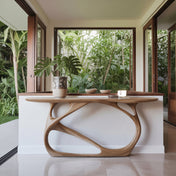

Tree Branch Bookshelf: The Ultimate Guide to Styling with Plants and Books
A tree branch bookshelf offers a unique, organic approach to home organization that seamlessly blends nature with literature. This innovative furniture piece has become increasingly popular among interior designers and homeowners seeking to create dynamic, living spaces that reflect personal style and environmental consciousness.

What Is a Tree Branch Bookshelf?
A tree branch bookshelf is a specially designed shelving unit that mimics the natural structure of tree branches. These units feature multiple horizontal shelves arranged at varying heights, creating an asymmetrical, organic aesthetic. The design can be constructed from solid wood, metal frameworks, or actual branches, offering flexibility for different interior styles and preferences.
Benefits of Tree Branch Bookshelves
- Natural Aesthetic: Brings organic warmth to any room
- Space-Efficient: Maximizes vertical space without overwhelming interiors
- Versatile Storage: Perfect for books, plants, decorative items, and collectibles
- Conversation Starter: Unique design draws attention and admiration
- Eco-Friendly Option: Often made from sustainable materials
- Customizable Display: Create asymmetrical arrangements that feel intentional and artistic
Styling Ideas: Mixing Greenery and Books
The Balance Method
The most effective approach to styling a tree branch bookshelf combines books and plants in strategic proportions. Aim for approximately 60% books and 40% greenery, though this ratio can be adjusted based on your personal preferences. This balance creates visual interest while maintaining functionality.
Start by arranging books vertically on lower shelves where weight distribution is optimal. Stagger book heights to create dynamic visual lines. Use book ends featuring natural materials like wood or stone to complement your tree branch bookshelf aesthetic.
Layering Your Display
Create depth by layering items behind and in front of your books. Place trailing ivy or pothos plants behind book stacks to create a cascading effect. This technique works particularly well with small tree bookshelf designs where space is limited.
Position smaller decorative plants like succulents or air plants on protruding shelves. These low-maintenance options thrive in various light conditions and don't require frequent watering, making them ideal for bedroom and living room applications.
Small Tree Bookshelf Styling
A small tree bookshelf requires strategic planning to maximize visual impact without appearing cluttered. These compact units work beautifully in corners, alcoves, or beside entryways.
- Group books by color for a cohesive appearance
- Use matching plant pots in coordinating colors
- Incorporate vertical elements like tall narrow plants
- Leave breathing room between displays
- Feature statement pieces like unique plant containers or vintage books
Tall Tree Bookshelf Design Strategy
Tall tree bookshelves offer dramatic vertical presence and require thoughtful curation to avoid visual heaviness.
- Vary item sizes from bottom to top
- Create visual breaks with empty shelf space
- Place heavier books lower, lighter decorative items higher
- Use hanging plants on upper shelves for movement
- Balance asymmetrical shelves with strategic plant placement
Narrow Tree Bookshelf Solutions
Narrow tree bookshelves demand careful consideration of depth and width. These designs excel in tight spaces and offer elegant solutions for small apartments or compact rooms.
Stack books horizontally on narrow shelves and position small potted plants front-facing. Use vertical mounting techniques to add hanging planters that utilize unused airspace. Consider installing a narrow tree bookshelf in hallways where it serves as both functional storage and living art.

Tree Bookshelf for Bedroom
Bedrooms benefit from calming, aesthetically pleasing tree branch bookshelf arrangements. Focus on creating a serene environment that promotes relaxation.
Incorporate low-light tolerant plants like snake plants, pothos, or ZZ plants that thrive in typical bedroom lighting. Select books in calming color palettes—soft greens, warm browns, muted grays, and cream tones. Add decorative elements like vintage frames, small wooden boxes, or natural stones to enhance the organic aesthetic.
Position your tree bookshelf for bedroom use where it won't create visual clutter before bedtime. A well-styled bedroom bookshelf near a reading nook combines functionality with atmospheric beauty.
Tree Bookshelf for Living Room
Living rooms offer ample opportunity to showcase statement-making tree branch bookshelves that become focal points in the space.
Arrange vibrant plants alongside colorful book collections to create visual dynamism. Include decorative objects like sculptures, framed artwork, or travel memorabilia between book stacks. Incorporate trailing plants that cascade dramatically over shelf edges for an impressively lush appearance.
A living room tree bookshelf becomes part of your interior design narrative, reflecting your personality and interests while maintaining functional storage capacity.
Modern Tree Bookshelf Aesthetics
Contemporary tree branch bookshelf designs emphasize minimalism, clean lines, and intentional styling. Modern approaches focus on curated selections rather than maximum storage.
Choose neutral-toned wooden frames or sleek metal structures. Limit your plant palette to 2-3 varieties with consistent pot colors. Arrange books with visible spines in coordinated color schemes. Leave strategic empty spaces to embrace negative space principles that define modern design.
Modern tree bookshelves prioritize quality over quantity, with each item selected for both aesthetic and personal significance.

Wooden Tree Bookshelf Care and Maintenance
Wooden tree bookshelves require proper care to maintain their beauty and structural integrity.
- Dust shelves weekly with a soft, dry cloth
- Use wood conditioner monthly to maintain finish
- Avoid excessive moisture from plant watering
- Rotate plant positions to prevent uneven sun damage
- Check weight distribution regularly to prevent sagging
- Polish wood occasionally with natural oils
Selecting the Right Plants for Your Tree Bookshelf
Plant selection depends on lighting conditions, humidity levels, and available space.
Low-Light Tolerant Plants: Pothos, philodendron, snake plant, ZZ plant, cast iron plant
Bright Indirect Light Plants: Monstera, fiddle leaf fig, rubber plant, dracaena, peace lily
Compact Options: Succulents, air plants, small ferns, miniature begonias, peperomia
Cascading Varieties: String of pearls, trailing ivy, sweet potato vine, string of hearts, pili repens
Color Coordination Tips
Create cohesion through thoughtful color selection across books and plants.
Coordinate plant pot colors with book spine colors. Use a maximum of three primary colors to maintain visual harmony. Consider adopting a monochromatic scheme with varying shades of green combined with neutral wood tones. Alternatively, embrace an eclectic approach where diverse colors convey artistic personality while maintaining organizational logic.
Styling by Season
Rotate your tree bookshelf displays seasonally to maintain visual freshness and adapt to changing light conditions.

Spring: Feature flowering plants, light pastel book arrangements, incorporate fresh blooms
Summer: Showcase vibrant green plants, bright books, celebrate natural light abundance
Fall: Display warm-toned books, bring in dried elements, incorporate burgundy or golden plant varieties
Winter: Add festive elements, feature books with cool tones, incorporate white or silvery foliage plants
DIY Tree Branch Bookshelf Alternatives
If commercial options don't suit your needs, consider DIY approaches using reclaimed wood branches and metal brackets. Source branches from fallen trees or specialty wood suppliers. Mount them at varying heights using sturdy L-brackets rated for your intended weight capacity.
Stain or paint branches to match your interior design. Ensure proper installation by locating studs and using appropriate anchors for your wall type. This customization allows complete creative control over dimensions, spacing, and aesthetic finishes.
Common Tree Bookshelf Styling Mistakes to Avoid
- Overcrowding: Too many items create visual chaos rather than organized beauty
- Poor Weight Distribution: Overloading single shelves compromises structural integrity
- Inconsistent Plant Care: Dead or dying plants undermine the entire display
- Mismatched Scale: Tiny decorative items disappear while oversized pieces overwhelm
- Ignoring Lighting: Insufficient light causes plant decline and reduces display visibility
- Neglecting Functionality: Beauty shouldn't compromise accessibility to frequently used books
Conclusion
A tree branch bookshelf represents more than functional storage—it's a living, breathing component of your interior design that tells your story through carefully curated selections. Whether you choose a small tree bookshelf for a compact space, a tall tree bookshelf for dramatic impact, or a narrow tree bookshelf for tight quarters, the key lies in balancing books and greenery with intentional styling.
From bedroom havens to living room focal points, modern tree bookshelves crafted from sustainable wooden materials bring organic elegance to contemporary homes. By following these styling principles and maintenance practices, you'll create a stunning display that evolves with the seasons and celebrates both nature and literature. Begin your tree branch bookshelf journey today and transform any wall into an inspiring, personalized gallery that combines functionality with botanical beauty.