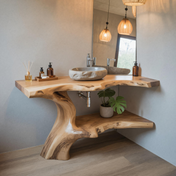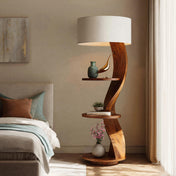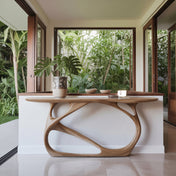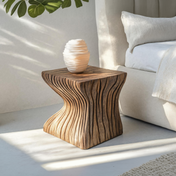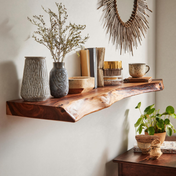

A decorative tree bookcase is one of the few furniture pieces that can store everyday items while also acting as wall art. Its branching silhouette adds movement, softness, and visual texture to a room that might otherwise feel flat or overly boxy. Instead of hiding books in a plain cabinet, this design turns them into part of the decor. For homeowners, renters, and interior enthusiasts who want functional storage with a natural feel, a tree-inspired shelf offers an elegant solution.

The appeal is simple: a decorative tree bookcase uses vertical space efficiently, helps define awkward corners, and instantly creates a focal point. It can work in a compact apartment, a cozy reading nook, a polished home office, or a busy family room. It also adapts well to different aesthetics, from Scandinavian minimalism to warm rustic interiors and sleek contemporary spaces. If you are comparing options for a small tree bookshelf, a tree bookshelf for bedroom styling, or a tree bookshelf for living room display, understanding the design principles behind this furniture style will help you choose a piece that looks intentional and performs well over time.
Why a decorative tree bookcase works so well
Traditional bookcases are dependable, but they are visually predictable. A decorative tree bookcase changes the mood of a room because it breaks up straight lines and introduces a more organic rhythm. The branch-like shelves create negative space between items, which makes books and decor feel curated rather than crowded. This is especially valuable in smaller rooms where bulky storage can feel heavy.
- It saves floor space. Most tree bookcases rely on a narrow footprint and vertical build, making them useful in apartments, hall corners, and beside sofas or beds.
- It doubles as decor. Even when only partially filled, the silhouette reads like a sculptural statement.
- It encourages lighter styling. Because books are spread across angled or staggered shelves, you are less likely to overstuff the unit.
- It suits multiple functions. A tree shelf can hold novels, magazines, framed art, candles, small baskets, and low-maintenance plants.
- It softens modern rooms. In spaces dominated by hard edges, a branching form adds balance without introducing clutter.
From an interior design standpoint, the best tree bookcases succeed because they combine utility with silhouette. They feel playful, but the good ones are not gimmicky. Proportion, shelf spacing, weight distribution, and finish quality all matter. When these details are handled well, the result is a storage piece that feels elevated rather than novelty-driven.
Choosing the right style for your space
Not every tree shelf is built for the same room or storage needs. Before you buy, think about how much you need it to hold, what visual effect you want, and whether it needs to blend into the room or stand out as a feature. The right choice often comes down to scale, material, and shelf layout.
Small tree bookshelf
A small tree bookshelf is ideal for tighter footprints, studio apartments, and secondary storage zones. It works well next to an accent chair, near a desk, or in a hallway alcove where a full-size bookcase would feel bulky. The advantage of a smaller model is flexibility. You can use it for a targeted collection such as bedtime reading, cookbooks, children’s books, or a few favorite coffee-table titles without visually crowding the space.
When shopping for a compact version, pay attention to shelf depth. Some small units look attractive in photos but have branches that are too shallow for standard paperbacks or hardcovers. A practical shelf should support the types of books you actually own, not just decorative objects.
Modern tree bookshelf
A modern tree bookshelf typically features crisp lines, balanced symmetry, and a restrained finish such as matte black, white, walnut, or light oak. These models pair well with contemporary interiors because they keep the branching idea sleek rather than overly rustic. In a modern home, the shelf often works best when styling stays selective: think monochrome book spines, a few ceramic objects, and plenty of breathing room between items.
If your space already includes metal, glass, concrete, or minimalist upholstery, a modern tree bookshelf can add warmth without disrupting the clean architectural feel. It is particularly effective in open-plan homes where each furniture piece needs to look intentional from multiple sightlines.

Wooden tree bookshelf
A wooden tree bookshelf brings the strongest sense of warmth and authenticity. Natural wood grain reinforces the organic concept and makes the piece feel more grounded. Solid wood or high-quality engineered wood with a convincing veneer tends to age better visually than low-cost glossy laminates. Lighter woods create an airy, Scandinavian mood, while deeper walnut or espresso finishes feel richer and more traditional.
If durability is a priority, wood also tends to be more forgiving in daily use. Minor wear can blend into the grain more naturally than it would on painted surfaces. For family homes, reading rooms, and spaces that need a softer, more lived-in feel, a wooden tree bookshelf is often the most versatile choice.
Tall tree bookshelf
A tall tree bookshelf makes the most dramatic impact. It draws the eye upward, helps a room feel taller, and maximizes storage in a relatively small footprint. Tall models are best for rooms with enough wall height to let the silhouette breathe. They are especially useful in living rooms, home libraries, and corners that need visual anchoring.
The tradeoff is stability. The taller the shelf, the more important a sturdy base and wall anchoring become. If you have children, pets, or uneven flooring, this should not be treated as optional. A tall unit can be beautiful and highly practical, but only if it is engineered for real use.
Where a tree bookshelf looks best
Placement matters as much as the shelf itself. A decorative tree bookcase should feel integrated into the room rather than dropped in as a novelty item. The most successful placements use the shelf to solve a practical need while also improving the visual flow of the space.
Tree bookshelf for bedroom
A tree bookshelf for bedroom works especially well when you want storage that feels lighter than a dresser or standard bookcase. Positioned near the bed, it can serve as a vertical library for nighttime reading, display framed art, and hold a small lamp or candle on a lower branch if the design allows. In compact bedrooms, this is a smart way to add storage without sacrificing valuable floor area.
Bedroom styling should stay calm and uncluttered. Choose a finish that complements the bed frame and nightstands, then limit accessories to a few meaningful pieces. A light oak or white shelf often suits serene bedrooms, while walnut or black works well in moodier, more tailored spaces.
Tree bookshelf for living room
A tree bookshelf for living room use is one of the most popular and effective applications. In a living area, the shelf can fill an empty corner, frame a sofa, or sit beside a media console to break up the horizontal lines of the room. It also helps bridge the gap between functional storage and decorative display, which is important in social spaces where books, plants, and objects all contribute to the overall atmosphere.

For living rooms, scale is critical. If your seating is substantial, a very slim shelf may look underpowered. A taller or slightly wider model usually works better, especially if it shares the wall with larger furnishings. Use the shelves to display a mix of books, small sculptures, trailing greenery, or woven boxes so the piece feels layered rather than sparse.
Home office, entryway, and multipurpose corners
Tree bookcases are also useful in transitional spaces. In a home office, they can hold reference books and reduce the severity of a desk-heavy setup. In an entryway, a narrow model provides a more stylish alternative to generic storage furniture. In a child’s room or playroom, the branching layout can make books more visible and approachable, although durability and anchoring become even more important in those environments.
The key is to place the shelf where it has enough negative space around it to read clearly. If it is crammed between bulky furniture or hidden behind a door swing, much of its decorative value is lost.
How to style a decorative tree bookshelf like a designer
A well-styled tree shelf feels balanced, not packed. The best approach is to treat it as a hybrid between a bookcase and a display wall. That means combining practical storage with breathing room and paying attention to color, shape, and scale.
- Start with books first. Use books as the anchor because they give the shelf purpose and weight.
- Mix orientation. Combine vertical books with a few short horizontal stacks to create rhythm.
- Leave some branches open. Empty space helps the tree silhouette remain visible and keeps the unit from looking busy.
- Add a few sculptural objects. Small ceramics, framed photos, or bowls can soften rows of spines.
- Repeat materials. If the room has brass, oak, matte black, or linen, echo those finishes on the shelf for cohesion.
- Use plants selectively. A trailing pothos or compact fern can reinforce the organic theme, but too many plants can make the piece feel literal.
If you want a more editorial look, keep your palette tight. Neutral spines, warm wood, and two or three accent colors usually feel more sophisticated than a shelf crowded with random objects. If you want a more playful decorative tree bookshelf effect, use art books, colorful jackets, and a few bold accessories, but still preserve open space so the branching form remains visible.
Decorative tree bookcase buying checklist
Appearance matters, but construction determines whether the shelf will still look good after months or years of real use. Before buying, evaluate the piece like a functional storage product, not just a stylish accent.
- Check the material quality. Solid wood is often the most durable, while quality engineered wood can offer excellent stability at a lower cost. Thin particleboard is more vulnerable to sagging and chipping.
- Review the weight capacity. Tree shelves often distribute books across several narrow branches, so each shelf must support realistic loads.
- Measure shelf depth and height. Make sure your typical paperbacks, hardcovers, and display pieces will actually fit without overhang.
- Inspect the base. A broad, stable base improves balance and reduces wobble, especially on carpet.
- Confirm anti-tip hardware. Wall anchoring is essential for tall designs and strongly recommended for any household with children or pets.
- Look at edge finishing. Smooth edges, clean seams, and consistent coating are signs of better manufacturing.
- Study assembly complexity. A visually striking shelf is less appealing if the joinery is weak or the instructions are poor.
This checklist is what separates a visually interesting purchase from a lasting one. A decorative tree bookcase should not only photograph well; it should also remain stable, clean easily, and support the items you use every day.
Sizing and placement rules that prevent costly mistakes
One of the most common buying errors is choosing a tree shelf based on inspiration photos without checking dimensions against the actual room. Because these pieces have unusual silhouettes, proportions can feel larger or smaller in person than they appear online. Measure carefully before ordering.

- Leave enough side clearance so the branching profile is visible and not squeezed against curtains, door frames, or artwork.
- Match the height of the shelf to nearby furniture so it feels balanced. A very short shelf beside a tall sectional or media wall can look lost.
- Consider circulation space. In a narrow room, make sure lower branches do not interfere with walking paths.
- Think about visual weight. A dark shelf reads heavier than a light one, especially on a small wall.
- Anchor the shelf if it exceeds a modest height or if the flooring is uneven.
For bedrooms and smaller apartments, lighter finishes often make the unit feel less imposing. For larger living rooms, a taller or darker model can create the presence needed to hold its own among bigger furniture pieces.
Assembly, maintenance, and long-term care
Even the best shelf benefits from thoughtful setup and maintenance. Assemble the piece on a soft surface to avoid scratching the finish, follow the manufacturer’s tightening sequence, and recheck hardware after the first few weeks of use. Newly assembled units can loosen slightly once weight is added.
- Dust regularly, especially around branch joints where debris tends to collect.
- Use a dry or lightly damp cloth rather than harsh chemical sprays.
- Keep the shelf away from persistent moisture and direct heat sources.
- Distribute heavy books evenly rather than loading one side more than the other.
- Add felt pads if the piece sits on delicate flooring.
A wooden tree bookshelf may occasionally benefit from a finish-appropriate wood care product, but moderation is important. Over-treating surfaces can create residue and dull the clean look that makes the design attractive in the first place.
Common mistakes to avoid
- Choosing style over capacity and discovering the shelves do not fit your actual books.
- Overfilling every branch and losing the sculptural outline that makes the design special.
- Ignoring wall anchoring on tall units.
- Selecting a finish that clashes with existing woods, metals, or wall color.
- Placing the shelf in a dark corner where its silhouette cannot be appreciated.
- Using it as a catch-all for clutter instead of editing what goes on display.
A tree shelf performs best when it is treated as both storage and composition. Editing matters. So does scale. When those elements are right, the piece feels refined rather than decorative for its own sake.
FAQ
Are tree bookcases practical for everyday use?
Yes, provided the design is well made and appropriately sized. A decorative tree bookcase is practical for novels, paperbacks, children’s books, and light decor. The best models combine sturdy materials, reliable weight support, and enough shelf depth for real-world use.
Is a small tree bookshelf enough for a compact home?
In many cases, yes. A small tree bookshelf is ideal for targeted storage such as bedside books, office references, or a curated living room display. If you need to store a large collection, pair it with closed storage elsewhere so the tree shelf can remain visually light.
What is the best material for a wooden tree bookshelf?
Solid wood offers the best long-term durability, but quality engineered wood with a good veneer can also perform very well. The right choice depends on budget, desired finish, and how much weight the shelf will carry.
Does a modern tree bookshelf work in traditional interiors?
Yes, if the finish and styling are chosen carefully. A modern tree bookshelf in a warm wood tone can bridge classic and contemporary elements beautifully. The key is to echo other materials already present in the room so the shelf feels integrated.
Can one tree shelf replace a standard bookcase?
For small to medium collections, often yes. For large libraries, it works better as a complement. A decorative tree bookcase excels when you want visible, curated storage rather than dense archival shelving.
Final thoughts
A decorative tree bookcase is an effective way to bring nature indoors without relying on a literal theme. It introduces an organic shape, offers practical vertical storage, and gives books and objects a more intentional presentation. Whether you choose a small tree bookshelf for a reading nook, a tree bookshelf for bedroom serenity, a tree bookshelf for living room impact, or a modern or wooden tree bookshelf to match your design style, the best results come from balancing form, function, and proportion. Choose a well-built piece, style it with restraint, and it will serve as both storage and statement for years.