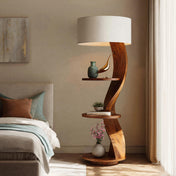

A wooden tree bookshelf can be one of the most eye-catching pieces in a room. Its sculptural silhouette adds movement, warmth, and personality, yet that same distinctive shape can look cluttered if it is not styled with intention. If you want a calm, elevated interior, the key is to treat your bookshelf like both storage and decor.

In this guide, you will learn how to style a wooden tree bookshelf for a clean designer look, from choosing the right color palette to arranging books and accessories with balance. Whether your home leans modern, Scandinavian, minimalist, or contemporary, these principles will help your shelf feel polished rather than crowded.
Start With the Right Location
Placement has a major effect on how refined your tree bookshelf appears. Because the form is naturally artistic, it works best where it can be appreciated without visual competition.
- Use a clean backdrop: A plain wall in white, beige, soft gray, or muted earth tones allows the silhouette to stand out.
- Avoid overcrowded corners: If the shelf is squeezed between bulky furniture pieces, its branches can look visually messy.
- Give it breathing room: Leave some negative space around the piece so it reads like intentional design.
- Consider lighting: Natural light or a nearby floor lamp can highlight the wood grain and shape beautifully.
A wooden tree bookshelf placed in a calm, well-edited area instantly feels more architectural and upscale.
Choose a Cohesive Color Palette
Designer styling often comes down to restraint. Rather than filling every branch with colorful items, build a limited palette that supports a clean aesthetic.
A good rule is to work with two to four dominant tones. For example, if your shelf has a natural oak finish, pair it with white, charcoal, black, olive, sand, or soft taupe. If the wood is darker, warm neutrals and lighter book covers can create contrast.
- Stick with neutral or muted book jackets when possible.
- Use storage boxes or decorative objects in complementary tones.
- Avoid too many bright accents competing at once.
- Repeat one or two colors throughout the shelf for consistency.
This simple approach makes a wooden tree bookshelf feel curated rather than random.
Edit Your Books Before Styling
The cleanest shelves are rarely overfilled. Before you begin arranging, remove anything that does not support the look you want. Torn paperbacks, outdated magazines, and stacks of miscellaneous items can quickly dilute the designer effect.
Keep books that fit at least one of these goals:
- They are frequently used.
- They have attractive spines or jackets.
- They contribute to the room's color story.
- They reflect your personal taste in a refined way.
If needed, relocate extra books elsewhere. A wooden tree bookshelf looks best when each branch has room to breathe.
Balance Vertical and Horizontal Placement
Many people place every book in the same orientation, but a more designed look comes from variation. Alternate between upright books and small horizontal stacks to create rhythm.

Try these styling techniques:
- Place a few books vertically on one branch and a short horizontal stack on another.
- Use horizontal stacks as pedestals for a small object, such as a candle or ceramic piece.
- Keep stacks neat and limited, usually two to four books at a time.
- Avoid forcing too many books into one section, which can make the silhouette feel heavy.
Thoughtful variation helps a wooden tree bookshelf look intentional and visually balanced.
Use Negative Space Generously
One of the biggest mistakes in bookshelf styling is the urge to fill every available space. Clean designer interiors rely on negative space to create calm and emphasis. Empty sections are not unfinished; they are part of the composition.
Leave some branches with only a few books or a single object. This gives the eye places to rest and highlights the unique tree form. The more sculptural the shelf, the more important space becomes.
If your goal is minimal elegance, remember this principle: less often looks more expensive.
Add Decor Sparingly and With Purpose
A wooden tree bookshelf should not become a catch-all for random accessories. Decorative accents work best when they are few, tactile, and cohesive with the room.
Consider incorporating:
- A small ceramic vase
- A framed mini art print
- A candle in a matte vessel
- A tiny plant or trailing greenery
- A sculptural object in wood, stone, or metal
Choose pieces that vary in height and texture, but keep scale in mind. Oversized decor can overwhelm the branches, while too many small trinkets create visual noise. Aim for accents that support the shelf rather than compete with it.
Work in Odd Numbers
Designers often use odd-number groupings because they look more natural and dynamic. When styling a branch or visual cluster, try arranging items in groups of three: for example, a small stack of books, a candle, and a tiny vase.
This does not mean every section must contain three items. Instead, use the principle to create asymmetry with control. A wooden tree bookshelf benefits from balance that feels organic, not rigid.

Create Visual Weight From Bottom to Top
To achieve a stable, designer look, distribute visual weight carefully. Heavier or larger items should generally sit lower, while lighter objects and fewer books can be placed higher up.
- Use denser book groupings near the lower branches.
- Place lighter decor pieces toward the top.
- Avoid making one side significantly fuller than the other.
- Step back often to assess overall symmetry and flow.
This keeps the wooden tree bookshelf from feeling top-heavy or chaotic.
Mix Textures for Warmth
Clean design does not have to feel cold. Texture is what makes a styled shelf feel layered and sophisticated. Since the bookshelf itself already offers natural wood grain, pair it with materials that complement rather than overpower it.
Excellent texture pairings include:
- Linen-bound books
- Matte ceramics
- Brushed metal bookends
- Woven storage boxes
- Stone or travertine objects
The goal is subtle richness. When textures are varied but colors remain controlled, your wooden tree bookshelf looks elevated and professionally styled.
Coordinate With the Room Around It
Your shelf should feel connected to the rest of the interior. Repeat nearby finishes, colors, or shapes so the bookshelf becomes part of a larger design story.
For example:
- If your living room has black metal legs on furniture, echo that with a black vase or metal accent.
- If the room uses warm beige textiles, include book covers or decor in similar tones.
- If the space has a Scandinavian feel, keep styling minimal and organic.
- If the room is modern, focus on clean lines and simple sculptural pieces.
This cohesion makes a wooden tree bookshelf look integrated rather than isolated.
Use Storage Solutions for Hidden Clutter
If the shelf serves a practical purpose, you may need to store small items that do not look decorative. In that case, use a few attractive containers to maintain order.
Choose compact boxes or bins that fit the scale of the shelf and match your palette. Avoid oversized baskets that hide the elegant branch structure. A couple of discreet storage pieces can help your wooden tree bookshelf stay useful without sacrificing style.

Style by Zone
Instead of decorating shelf by shelf in isolation, divide the unit into zones. Think of the top, middle, and bottom portions as related areas with their own role.
- Top zone: Keep it lighter and more minimal.
- Middle zone: Feature your most beautiful books or a signature decorative object.
- Bottom zone: Add slightly fuller storage, larger books, or grounding elements.
This zoning technique helps a wooden tree bookshelf feel organized and composed, even when asymmetrical.
Rotate Accessories Seasonally
You do not need to buy new decor every time you want a fresh look. Rotating a few accents by season can keep your shelf current while preserving a clean foundation.
In spring, add light greenery and airy ceramics. In autumn, swap in richer tones and textured objects. During winter, a candle and a few darker book spines can create warmth. The core styling remains the same; only a few details shift.
This approach keeps your wooden tree bookshelf looking intentional year-round.
Avoid Common Styling Mistakes
Even a beautiful shelf can lose its impact if a few common errors creep in. Watch out for these issues:
- Overfilling every branch: Creates clutter and hides the tree silhouette.
- Using too many tiny trinkets: Makes the shelf feel busy and unfocused.
- Ignoring color consistency: Causes visual chaos.
- No height variation: Results in a flat, less dynamic display.
- Decor that is too large: Overpowers the shelf's unique shape.
- Uneven balance: Makes one side look unintentionally heavy.
If something feels off, remove a few items before adding new ones. Editing is usually the fastest path to a cleaner designer finish.
Simple Styling Formula to Follow
If you want an easy method, try this formula for a medium-sized wooden tree bookshelf:
- Fill around 60 to 70 percent of the shelf with books.
- Leave several branches partially empty.
- Add one decorative object for every two to three book groupings.
- Repeat two or three colors throughout the shelf.
- Place larger visual weight lower and lighter accents higher.
- Step back and edit anything that feels crowded.
This formula creates a look that is clean, functional, and stylish without feeling staged.
Final Thoughts
A wooden tree bookshelf already has strong design appeal, so styling it well is mostly about restraint, balance, and cohesion. By limiting clutter, repeating a calm palette, mixing books with a few sculptural accents, and preserving negative space, you can achieve a polished look that feels straight out of a designer home.
The best styled shelves reflect both personality and discipline. Let your books tell a story, but allow the shelf itself to remain the star. With a thoughtful approach, your wooden tree bookshelf can become a functional focal point that brings warmth and elegance to any room.