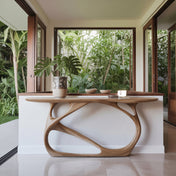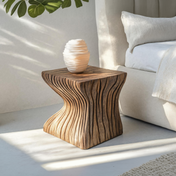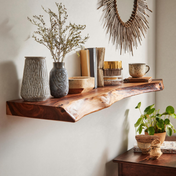

A well-crafted bathroom vanity does more than support a sink and provide storage. It anchors the entire bathroom design, adds warmth to a space often dominated by tile and stone, and introduces the unmistakable character of natural wood grain. For homeowners, designers, and builders who want a timeless result, the finish applied to a wood vanity is just as important as the species itself.

When chosen carefully, the right finish highlights figure, depth, and tone while protecting the wood from humidity, splashes, and daily wear. Whether you are selecting a real wood bathroom vanity for a rustic retreat or a refined white oak bathroom vanity for a modern primary bath, understanding finishes helps you make a better long-term investment.
This guide explains which wood finishes best reveal natural beauty, how they perform in bathroom environments, and what to consider when choosing a vanity that balances aesthetics with durability.
Why the Finish Matters on a Bathroom Vanity
Wood is a living material with visible grain patterns, tonal variation, knots, rays, and texture that synthetic materials struggle to replicate. A finish determines how much of that character is visible and how the surface responds to moisture and use.
On a natural wood bathroom vanity, the finish can either mute the wood with heavy pigmentation or enhance it with clarity and depth. In practical terms, the finish also acts as the first line of defense against water spots, soap residue, and changing humidity levels.
- Appearance: Influences color, sheen, and grain definition.
- Protection: Helps guard against moisture penetration and surface wear.
- Maintenance: Affects how easy the vanity is to clean and refresh.
- Longevity: Supports the lifespan of a quality solid wood piece.
For a premium solid wood bathroom vanity with sink, the finish is essential because it preserves both the function and visual appeal of the cabinetry over time.
Best Wood Species for Showing Natural Grain
Before comparing finishes, it helps to understand that different species reveal grain in different ways. Some woods have subtle linear patterns, while others feature dramatic swirls or rich oil content. The same finish can look very different depending on the wood below it.
White Oak
A white oak bathroom vanity is popular for its balanced grain, durability, and versatile color range. Rift-sawn and quarter-sawn white oak can show elegant straight grain or flecking that pairs beautifully with modern and transitional interiors.
Teak
A teak bathroom vanity stands out for its natural oils, dimensional grain, and excellent moisture resistance. Teak can range from golden honey to medium brown and responds especially well to low-sheen finishes that preserve its organic appearance.
Walnut
Walnut offers deep chocolate undertones and flowing grain movement. It is ideal for upscale vanities where warmth and sophistication are priorities.
Maple
Maple has a smoother, more understated grain pattern. It works well when the goal is a cleaner, lighter look without heavy rustic character.
Reclaimed or Live Edge Woods
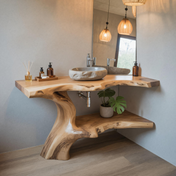
A live edge bathroom vanity or reclaimed wood vanity celebrates knots, cracks, tonal shifts, and visible age. These pieces benefit from finishes that seal the surface while keeping tactile authenticity.
Top Finish Types That Highlight Natural Wood Beauty
Not all finishes are equal when the goal is to reveal grain. Some create a thick film over the surface, while others soak into the wood and emphasize texture. The best choice depends on your desired look, maintenance expectations, and bathroom conditions.
1. Clear Matte Finish
A clear matte finish is one of the best options for homeowners who want the wood to look natural and understated. It protects the surface without introducing excessive shine, allowing the grain to remain the visual focus.

This finish is especially effective on a natural wood bathroom vanity because it preserves the authentic appearance of the timber. Matte finishes also suit Scandinavian, organic modern, Japandi, and contemporary spaces.
- Best for preserving a raw, low-sheen appearance
- Excellent on white oak, teak, walnut, and ash
- Minimizes glare and creates a designer look
2. Satin Polyurethane
Satin polyurethane offers a practical balance between grain enhancement and protection. It creates a durable barrier against moisture while still allowing the wood pattern to remain visible. Compared with glossy finishes, satin is more forgiving of fingerprints and water marks.
For a busy family bathroom, satin polyurethane is often a smart choice for a real wood bathroom vanity because it combines resilience with attractive grain clarity.
- Strong resistance to splashes and wear
- Easy to clean in high-traffic bathrooms
- Works well for freestanding and built-in vanities
3. Hardwax Oil Finish
Hardwax oil is favored by many woodworkers and high-end furniture makers because it penetrates the wood while leaving a breathable, natural-looking protective layer. It enriches grain and gives the surface a tactile warmth that film finishes often lack.
This makes it an excellent option for a premium solid wood bathroom vanity with sink where craftsmanship and authentic wood character are top priorities. It is also a strong choice for custom vanities that are meant to feel artisanal rather than factory-coated.
- Enhances grain depth and touchable texture
- Produces a low-luster, furniture-grade look
- Spot repairs are often easier than with full film finishes
4. Natural Oil Finish
Natural oils such as tung oil or specialized furniture oils deepen the tone of wood and bring out figure in a beautiful way. On teak and walnut, oil can make the grain appear richer and more dimensional.
However, pure oil finishes generally require more maintenance in wet environments than modern topcoats or hardwax systems. They are best for powder rooms, lower-moisture bathrooms, or owners who do not mind periodic upkeep.
- Excellent for enhancing color richness
- Popular on a teak bathroom vanity
- Best for owners comfortable with routine maintenance
5. Water-Based Clear Coat
Water-based finishes are ideal when you want to preserve lighter wood tones with minimal ambering. This matters especially for a white oak bathroom vanity, where maintaining a fresh, pale, contemporary appearance is often the design goal.
Modern water-based coatings can provide good durability while keeping the wood from turning too yellow over time.
- Maintains lighter, cleaner wood color
- Great for white oak, maple, and ash
- Low odor and often faster drying
Finishes to Avoid if You Want Natural Grain to Stand Out
Some finishes can obscure the natural appeal of wood rather than celebrate it. If highlighting grain is your main objective, be cautious with the following:
- Heavy paint coverage: Paint can be beautiful, but it conceals wood grain almost entirely.
- High-gloss coatings: Excessive shine may distract from texture and create a plastic-like appearance.
- Dark opaque stains: Overly pigmented products can flatten variation and hide detail.
- Thick factory laminates: These may mimic wood tone but cannot reveal true grain depth.
If your priority is authentic material character, a real wood bathroom vanity with a clear or lightly toned finish is usually the superior path.
How Different Finish Colors Affect Wood Grain
Beyond sheen and formulation, color tone plays a major role in the final result. Even a transparent finish can shift the visual character of the vanity.
Clear Finishes
Clear finishes preserve the wood species as honestly as possible. They are ideal for emphasizing natural variation and authentic grain movement.

Honey or Warm Tones
These finishes deepen the wood slightly and create a welcoming, richer appearance. They are common on teak, walnut, and some oak vanities.
Natural Blonde Tones
Blonde or neutralizing finishes are especially popular on white oak, helping the wood stay light and airy while still showing texture.
Smoked or Fumed Looks
These create a moodier, more architectural aesthetic without fully hiding the grain. They can work well in luxury modern interiors.
In all cases, samples matter. A finish that looks subtle on one species can appear dramatically darker or warmer on another.
Best Finish Choices by Vanity Style
Freestanding Wood Bathroom Vanity
A freestanding wood bathroom vanity often behaves like a furniture piece in the room, making finish selection especially important. Satin or matte clear coats work well here because they showcase craftsmanship while offering practical protection.
Traditional, transitional, and farmhouse bathrooms often benefit from warm clear finishes that reveal joinery, panel detailing, and grain character.
Floating Wood Bathroom Vanity
A floating wood bathroom vanity usually leans modern, minimalist, or spa-inspired. Low-sheen matte finishes and water-based clear coats are excellent choices because they create a clean silhouette without visual heaviness.
White oak, walnut, and teak are all strong candidates for floating designs where grain becomes the main decorative element.
Live Edge Bathroom Vanity
A live edge bathroom vanity demands a finish that protects the wood while preserving its distinctive contours and organic story. Hardwax oil and matte topcoats are especially effective because they enhance texture rather than bury it under a thick artificial shine.
Matching Finish Type to Bathroom Conditions
Every bathroom has its own moisture profile. A well-ventilated powder room places fewer demands on wood than a steamy primary bath used by multiple people every day.
For High-Moisture Bathrooms
- Choose durable topcoats like satin polyurethane or advanced water-based sealers
- Ensure all surfaces, including interior panels and edges, are properly sealed
- Look for quality joinery and stable solid wood construction
For Moderate-Use Bathrooms
- Hardwax oil can be an excellent balance of beauty and function
- Matte clear finishes offer a refined look with practical durability
For Powder Rooms
- Natural oil finishes are more realistic because water exposure is lower
- Decorative grain-forward species can take center stage
No matter the environment, proper ventilation and routine wipe-downs will extend the life of any bathroom vanity.
Why Solid Wood Construction Makes a Difference
The best finishes can only do so much if the underlying vanity is poorly made. A genuine solid wood bathroom vanity with sink offers structural integrity, repairability, and more authentic grain than veneers over low-quality cores or synthetic substitutes.
That does not mean every component must be one species of thick lumber, but quality matters. Look for durable drawer boxes, moisture-conscious construction methods, and reputable finishing processes.

Benefits of solid wood or high-quality real wood construction include:
- Richer and more natural grain variation
- Longer service life
- Better refinishing potential
- Higher-end appearance and feel
For discerning buyers, a real wood bathroom vanity typically provides a more enduring and valuable result than imitation wood materials.
Teak vs White Oak for Natural Grain Appeal
Two of the most sought-after choices in premium bathrooms are teak and white oak. Both are excellent, but they create different visual effects.
Teak Bathroom Vanity
A teak bathroom vanity is ideal for those who want warmth, subtle luxury, and strong moisture performance. The grain is often flowing and richly textured, and the color naturally feels spa-like and inviting.
Best finish pairings include:
- Natural oil for warmth and depth
- Matte clear coat for a refined organic look
- Hardwax oil for tactile authenticity
White Oak Bathroom Vanity
A white oak bathroom vanity appeals to homeowners who prefer lighter, contemporary, and highly versatile wood tones. It works beautifully in modern, coastal, and transitional bathrooms.
Best finish pairings include:
- Water-based clear coat to preserve lighter tones
- Matte finish for minimalist elegance
- Subtle neutral stain to gently define grain
If your design vision leans airy and architectural, white oak is often the winner. If you want warmth and a resort-inspired feel, teak can be outstanding.
Maintenance Tips for Grain-Enhancing Finishes
To keep a wood vanity looking beautiful, care matters as much as finish selection. The good news is that basic maintenance is straightforward.
- Wipe standing water promptly, especially around the sink rim and faucet base
- Use gentle, non-abrasive cleaners made for finished wood surfaces
- Avoid harsh chemical sprays and bleach-based products
- Maintain bathroom ventilation to reduce prolonged humidity exposure
- Re-oil or refresh hardwax finishes as recommended by the manufacturer
These habits help preserve both protection and grain clarity, especially on a natural wood bathroom vanity that is intended to age gracefully.
How to Choose the Right Finish for Your Bathroom Vanity
If you are deciding among multiple finish options, use the following framework:
- Start with the wood species. White oak, teak, walnut, and reclaimed wood each respond differently.
- Consider the bathroom environment. High-humidity spaces need stronger protection.
- Define the design style. Modern spaces often favor matte, while traditional designs may suit satin.
- Think about maintenance tolerance. Some finishes are easier to refresh than others.
- Request finish samples. Always view samples in your actual lighting conditions.
This approach helps ensure your bathroom vanity looks beautiful on installation day and continues performing for years.
Final Thoughts
The best wood bathroom vanity finishes do not mask the material. They reveal it. Whether you choose a streamlined floating wood bathroom vanity, a statement live edge bathroom vanity, or a classic freestanding wood bathroom vanity, the ideal finish will enhance grain, support durability, and complement the overall bathroom design.
For many homeowners, matte clear coats, satin sealers, hardwax oils, and carefully selected water-based finishes offer the best combination of natural beauty and protection. Pair those finishes with quality construction and a suitable species such as teak or white oak, and your vanity can become one of the most visually compelling features in the room.
In the end, a thoughtfully finished real wood bathroom vanity offers something that manufactured look-alikes rarely achieve: depth, warmth, and character that only natural wood can provide.