
A white bathroom vanity remains one of the safest and smartest choices for homeowners who want a design that feels bright, flexible, and enduring. While bathroom trends evolve, white vanities continue to work across a wide range of interiors because they reflect light, pair easily with different materials, and create a clean foundation for the rest of the room. Whether you are remodeling a compact powder room or designing a spacious primary bath, the right white vanity can anchor the entire space without limiting your style options.

One reason a white bathroom vanity performs so well in different interiors is its ability to adapt. It can look crisp and minimal in a contemporary setting, warm and welcoming in a farmhouse bath, or refined and elegant in a traditional room. It also coordinates beautifully with wood accents, stone countertops, metal hardware, and tile in nearly any color. That versatility makes it easier to update your bathroom over time without replacing the vanity itself.
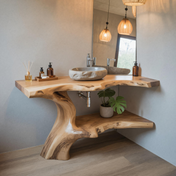
In this guide, we will explore the most popular white bathroom vanity styles that match almost any bathroom theme, along with practical tips for materials, finishes, storage, and styling. We will also show how white vanities compare and coordinate with options such as a floating wood bathroom vanity, rustic wood bathroom vanity, modern wood bathroom vanity, teak bathroom vanity, and oak bathroom vanity.
Why a White Bathroom Vanity Works in Almost Any Space
The biggest advantage of a white bathroom vanity is its universal appeal. White is neutral, timeless, and naturally brightening. In smaller bathrooms, it helps the room feel more open. In larger bathrooms, it provides balance when paired with dramatic flooring, statement mirrors, or bold wall colors.
A white vanity also works because it can move between design categories with very small changes in hardware, countertop material, sink shape, and surrounding decor. A shaker-style vanity with black pulls may feel farmhouse-inspired, while the same white cabinet with brushed brass knobs and a marble top can look upscale and transitional. With chrome fixtures and clean lines, it shifts toward modern design.
From a practical standpoint, white vanities are widely available in many sizes and price points. They can be found in compact single-sink models, large double-sink arrangements, wall-mounted styles, and furniture-inspired pieces. This broad selection makes it easier to find a design that suits your layout and storage needs.
Classic Shaker White Vanities
If you want the most versatile style possible, a classic shaker white bathroom vanity is hard to beat. Shaker cabinets feature a clean framed panel that feels simple yet substantial. Because the profile is understated, it fits effortlessly into traditional, transitional, coastal, farmhouse, and even modern bathrooms.
A shaker vanity offers a balanced appearance that does not overpower the room. In a traditional bath, pair it with a polished stone top and elegant sconces. In a coastal space, combine it with soft blue-gray walls and woven accents. In a modern setting, choose slimmer hardware and a crisp quartz countertop for a streamlined finish.
This style also blends well with natural wood elements. If you like the warmth of a oak bathroom vanity or a walnut bathroom vanity but still want a brighter overall look, a white shaker vanity with wood shelving, mirror frames, or stool accents can give you the best of both worlds.
Freestanding White Vanities for Flexible Design
A freestanding white bathroom vanity is one of the easiest options to integrate into almost any bathroom theme. Because it resembles a standalone furniture piece, it naturally feels more decorative and less built-in. This makes it ideal for traditional bathrooms, cottage interiors, farmhouse spaces, and transitional designs.
Freestanding vanities often feature legs or an open base, which can make the room appear less heavy than full-overlay cabinetry. They are especially useful when you want a vanity that adds character without dominating the room. Some homeowners who are drawn to a freestanding wood bathroom vanity choose white instead for a lighter and more universally compatible finish.
These vanities can also bridge multiple styles. A curved freestanding white vanity with polished nickel hardware feels classic and refined. A boxier version with matte black pulls may lean industrial farmhouse. The same base can take on a more relaxed, beachy feel when paired with textured tile and soft linen tones.

Floating White Vanities for Modern and Minimal Bathrooms
For a sleek and contemporary aesthetic, a floating white bathroom vanity is an excellent choice. Wall-mounted vanities create visual space beneath the cabinet, making the room feel larger and more open. This is particularly valuable in small bathrooms where floor visibility contributes to a less crowded appearance.
Floating white vanities are commonly associated with modern design, but they can also fit transitional and Scandinavian-inspired interiors. Their clean profile works best with integrated sinks, slab fronts, or minimalist drawer lines. If you appreciate the organic look of a floating wood bathroom vanity but prefer something brighter and easier to blend with future updates, white offers a similarly airy effect with broader styling flexibility.
Another advantage is ease of customization. Pair a floating white vanity with warm wood wall slats for contrast, or introduce brushed brass hardware to soften the modern lines. White can prevent a wall-mounted vanity from feeling too stark, especially when combined with layered lighting and subtle texture.
White Vanities with Wood Accents
One of the most adaptable design directions today is the white vanity enhanced with wood details. This combination adds warmth, depth, and texture while preserving the brightness and versatility of white. It is a smart option for homeowners torn between a clean white bathroom vanity and the character of natural wood cabinetry.
Wood can appear in the countertop edge, drawer trim, open shelving, legs, or nearby mirrors. This hybrid approach works across nearly every theme. In a modern bathroom, white and light oak feel fresh and Scandinavian. In a farmhouse room, white with reclaimed wood accents echoes the charm of a rustic wood bathroom vanity. In a spa-inspired bath, white paired with teak details can create the warmth often associated with a teak bathroom vanity.
This design strategy is also useful for connecting the vanity to flooring or other architectural features. If your bathroom includes wood-look tile or oak shelving, white cabinetry can keep the room bright while the wood accents create continuity.
Traditional White Vanities with Decorative Details
Traditional bathrooms often benefit from a white vanity because it highlights molding, panels, and furniture-inspired features without making the room feel dark or visually dense. Decorative legs, raised panels, soft curves, and detailed hardware all stand out beautifully against a white finish.
This style is ideal if you want a bathroom that feels elegant and timeless rather than trend-driven. A traditional white bathroom vanity pairs naturally with marble countertops, framed mirrors, polished chrome or brass fixtures, and classic wall sconces. It can also soften more formal features like patterned floor tile or wainscoting.
Compared with a darker wood cabinet such as a walnut bathroom vanity, white tends to feel lighter and easier to coordinate with evolving color palettes. It keeps ornate bathrooms from looking too heavy, especially when natural light is limited.
Farmhouse White Vanities That Feel Warm and Relaxed
Farmhouse bathrooms often rely on a balance of simplicity and texture, making a white bathroom vanity an ideal focal point. White cabinetry supports the airy, lived-in feel that defines farmhouse interiors, especially when combined with black hardware, apron-front details, shiplap walls, or rustic mirrors.
If you love the charm of a rustic wood bathroom vanity but worry that too much wood may darken the room, white is an excellent compromise. It gives you the relaxed farmhouse character while maintaining brightness. You can always bring in rustic texture through baskets, weathered wood shelves, or vintage-style lighting.

A farmhouse white vanity can range from refined to casual. Shaker doors lean cleaner and more transitional, while beadboard panels and antique-style legs feel more cottage-inspired. Because white is so forgiving, it allows you to layer in reclaimed wood, aged metal, or stone without clashing.
Coastal and Spa-Inspired White Vanities
White vanities naturally complement coastal and spa-like bathrooms because they evoke cleanliness, calm, and openness. In these settings, the vanity acts as a crisp base for soft blues, sandy neutrals, sea-glass greens, and natural textures like woven baskets or driftwood accents.
A white bathroom vanity can be especially effective when paired with materials often seen in resort-inspired spaces. For example, accents that resemble a teak bathroom vanity add warmth and a subtle tropical influence, while pale oak shelving can create the light, airy character associated with an oak bathroom vanity in coastal design.
Choose simple lines, understated hardware, and clutter-free countertops to keep the spa aesthetic intact. Undermount sinks, white quartz surfaces, and soft lighting all help reinforce the relaxing feel. In this type of bathroom, white feels fresh rather than sterile because it is balanced by texture and natural materials.
Modern White Vanities with Clean Geometry
Modern bathrooms benefit from the crispness of white, especially when the design emphasizes geometry and simplicity. A modern white bathroom vanity may feature flat-panel drawers, integrated handles, square sinks, or waterfall edges. These details create a polished appearance that suits urban homes and contemporary remodels.
For those comparing white cabinetry with a modern wood bathroom vanity, the decision often comes down to mood. Wood introduces warmth and visual movement, while white delivers clarity and a cleaner architectural effect. Many designers combine both by using a white vanity with wood wall panels, oak mirrors, or walnut medicine cabinets.
Modern white vanities also perform well with high-contrast elements. Black faucets, charcoal tile, or dramatic veining in stone can all stand out sharply against a white base. If you want your fixtures or finishes to be the statement pieces, white cabinetry is an excellent supporting choice.
Best Countertop Pairings for a White Bathroom Vanity
The countertop you choose can dramatically influence how your white vanity is perceived. Since white is neutral, it can support both subtle and bold surfaces.
- White quartz: Creates a seamless, clean, low-maintenance look that suits modern, transitional, and spa bathrooms.
- Marble or marble-look surfaces: Add luxury and classic appeal, especially in traditional and upscale transitional spaces.
- Black stone: Delivers contrast and sophistication, making a white vanity feel more graphic and contemporary.
- Warm beige or taupe stone: Softens the starkness of white and works well in farmhouse or coastal interiors.
- Wood countertops or butcher block accents: Introduce organic warmth and can echo the appeal of a rustic wood bathroom vanity or oak bathroom vanity.
If your goal is broad design compatibility, white or lightly veined quartz is often the safest choice. It preserves the flexibility of the vanity and allows future changes in wall color, flooring, and decor.
Hardware Finishes That Change the Look Instantly
Hardware may seem like a small detail, but it has a major impact on style direction. A white bathroom vanity can look dramatically different depending on the finish and shape of the pulls or knobs.
- Matte black: Great for farmhouse, industrial, and modern bathrooms.
- Brushed brass: Adds warmth and elegance, ideal for transitional, glam, and upscale contemporary spaces.
- Polished chrome: A timeless choice that works in traditional, coastal, and clean modern bathrooms.
- Brushed nickel: Versatile and understated, making it one of the easiest finishes to use across mixed styles.
- Antique bronze: Best for rustic, vintage, or more decorative interiors.
This flexibility is one reason white vanities remain so popular. You can often refresh the look of the room by changing hardware alone, without replacing the cabinet.

How White Vanities Compare to Wood Vanities
Many homeowners choosing a bathroom vanity compare white finishes with wood tones. Both can be beautiful, but each has different strengths.
A white vanity is generally more versatile across themes. It reflects light, feels cleaner visually, and adapts easily to changing decor. It is often the better choice for smaller bathrooms or spaces with limited natural light.
Wood vanities, including a walnut bathroom vanity, teak bathroom vanity, or oak bathroom vanity, offer warmth, richness, and a strong connection to nature. They can make a bathroom feel more custom and grounded. However, wood tends to steer the room more decisively toward rustic, Scandinavian, mid-century, or organic modern styles.
If you want maximum flexibility, white is the safer long-term option. If you want stronger visual texture or a warmer atmosphere, wood may be the right fit. For many bathrooms, the ideal solution is a layered mix of white cabinetry and natural wood accents.
Storage Considerations When Choosing a White Bathroom Vanity
Style matters, but function matters just as much. The best white bathroom vanity is one that supports how you use the space every day. Before selecting a model, think carefully about storage needs.
- Drawers: Excellent for organizing grooming tools, cosmetics, and daily essentials.
- Cabinet doors: Better for storing bulkier items like cleaning supplies or extra toilet paper.
- Open shelving: Adds decorative potential and lightness, but requires tidy styling.
- Double sinks: Helpful for shared bathrooms, though they reduce central counter space.
- Wall-mounted styles: Create openness but may offer less storage than a larger freestanding unit.
Because white can visually soften a larger cabinet, it is often easier to choose a storage-rich vanity in white without making the room feel overcrowded. That is another reason it works well in family bathrooms and primary suites alike.
Tips for Keeping a White Vanity Looking Fresh
A common concern is whether a white bathroom vanity will show dirt or wear more easily. While white surfaces can reveal smudges, quality finishes are typically easy to wipe clean. The key is to choose durable materials and maintain them regularly.
- Look for moisture-resistant construction and quality paint or laminate finishes.
- Use gentle non-abrasive cleaners to protect the surface.
- Wipe water splashes promptly, especially around sink edges and hardware.
- Choose countertops and sink materials that resist staining.
- Install adequate ventilation to reduce humidity-related wear.
In many cases, white actually helps homeowners notice and address buildup sooner, keeping the bathroom cleaner overall. A well-made white vanity can stay beautiful for years with simple care.
Choosing the Right White Vanity for Your Bathroom Theme
If you are deciding which white bathroom vanity style is best for your space, start with the overall theme you want to support:
- Modern: Choose floating or slab-front white vanities with minimal hardware.
- Farmhouse: Look for shaker doors, beadboard details, and black or aged metal hardware.
- Traditional: Select decorative freestanding forms with marble-like tops and polished finishes.
- Coastal: Pair white cabinetry with soft blues, light oak, and natural woven textures.
- Transitional: Use classic shaker styling with balanced hardware and neutral countertops.
- Spa-inspired: Focus on clean lines, clutter-free surfaces, and warm natural accents reminiscent of teak or oak.
If you are still undecided, a simple shaker-style white vanity is usually the most universally compatible option. It gives you a timeless base that can evolve with your taste.
Final Thoughts
A white bathroom vanity continues to be one of the most reliable choices for bathrooms of all styles. Its ability to brighten the room, coordinate with nearly any finish, and transition across design themes makes it a smart investment for both remodels and new builds. From classic shaker cabinets and elegant freestanding pieces to sleek floating designs, white vanities offer a level of adaptability few other finishes can match.
Whether you are inspired by the warmth of a modern wood bathroom vanity, the character of a rustic wood bathroom vanity, the organic appeal of a teak bathroom vanity, or the light natural look of an oak bathroom vanity, white can still play a central role. In many cases, it provides the perfect canvas for blending those influences into a bathroom that feels cohesive, fresh, and timeless.
If your goal is to choose a vanity that will still look relevant and appealing years from now, a well-designed white bathroom vanity is one of the most dependable options available.