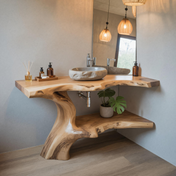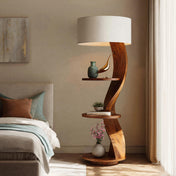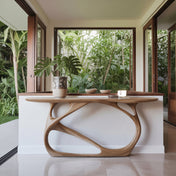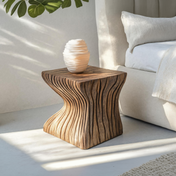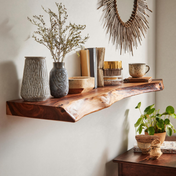

A tree shaped bookshelf offers more than a place to store novels, textbooks, and collectibles. It turns everyday book organization into a design feature, creating a room that feels curated, artistic, and functional at the same time. Whether you want to maximize a small corner, add personality to a reading nook, or create a standout focal point in a living room, this type of shelving brings visual energy that standard rectangular bookcases often lack.

Because the design mimics the branching structure of a tree, it naturally encourages attractive book arrangement. Shelves fan outward, books appear layered like leaves, and even compact models can provide surprising capacity. For homeowners, apartment dwellers, parents, students, and design enthusiasts alike, a tree shaped bookshelf can be one of the smartest ways to organize books beautifully without sacrificing style.
Why a Tree Shaped Bookshelf Stands Out
The popularity of the tree shaped bookshelf comes from its ability to combine storage and decor in a single piece. Traditional shelving is often chosen only for utility, but tree-inspired shelving serves as furniture and art. This makes it especially appealing for modern interiors where every object is expected to contribute to the overall aesthetic.
One major advantage is the vertical layout. Many tree bookshelves are designed to rise upward with branch-like compartments extending from a central spine. This makes them ideal for rooms where floor space is limited but wall-adjacent space is available. Instead of using a bulky horizontal cabinet, you get a slimmer profile that still stores a meaningful number of books.
Another advantage is flexibility. A tree bookshelf can suit many styles, from rustic farmhouse spaces to Scandinavian minimalism and contemporary urban apartments. Material, finish, and silhouette all influence the final look. A natural oak unit feels warm and organic, while a black or white matte version can look sleek and architectural.
Key Benefits of Choosing a Tree Bookshelf
- Visual appeal: It creates an artistic focal point even when holding ordinary books.
- Space efficiency: Vertical designs help save floor space in smaller rooms.
- Versatile styling: It works in bedrooms, living rooms, offices, and kids' rooms.
- Easy categorization: Branch-style shelves make it simple to separate genres or reading priorities.
- Decorative display: It can hold plants, framed photos, and sculptural objects alongside books.
How to Choose the Right Tree Shaped Bookshelf
Not all tree bookshelves are built the same. Selecting the best one requires attention to room dimensions, material quality, capacity, safety, and intended use. While aesthetics matter, functionality should remain a priority if you want long-term satisfaction.
1. Measure the Available Space
Start by identifying where the shelf will go. Measure width, height, and depth carefully. Some tree bookshelves have a compact footprint, while others branch outward dramatically and need more lateral clearance. If you are furnishing a narrow apartment wall, choose a slim design that rises vertically. If you have a larger room, a broader statement piece may be more impactful.
2. Consider Storage Needs
Think about what you plan to store. A casual reader may only need room for paperbacks and a few decorative pieces. A serious collector may require stronger shelves with enough depth for hardcovers, art books, and boxed sets. If the bookshelf will double as display storage, ensure there are balanced open spaces where accessories can sit without making the unit feel cluttered.
3. Evaluate Material and Build Quality
A high-quality wooden tree bookshelf often offers the best blend of durability and warmth. Solid wood tends to be strong and long-lasting, while engineered wood options can be more affordable and lighter to move. Look for smooth edges, reliable hardware, and a stable base. If possible, choose anti-tip wall anchoring for added security, especially in homes with children or pets.
4. Match the Style of the Room
The bookshelf should complement the surrounding decor rather than compete with it. Light wood tones fit bright, natural spaces. Dark walnut can add sophistication to classic interiors. White finishes often suit minimalist or modern homes. Black designs feel bold and contemporary. If your decor is already busy, a simpler tree silhouette may work best.
5. Keep Practicality in Mind
Books should be easy to remove and replace. Some highly sculptural shelves look stunning online but are not practical for daily use. Check shelf depth, spacing between branches, and weight distribution. A beautiful piece should still function effortlessly.
Best Rooms for a Tree Shaped Bookshelf
One reason the tree shaped bookshelf remains popular is its versatility. It can enhance many areas of the home, each with a slightly different purpose and styling approach.
Living Room
In a living room, a tree bookshelf can act as a statement furniture piece. Place it near a sofa, reading chair, or media console to create a balanced arrangement. Use it to store favorite books along with small vases, candles, or framed artwork. This prevents the shelf from looking too dense and reinforces its decorative role.

Bedroom
A tree bookshelf for bedroom use is especially effective when you want storage that feels softer and more personal than standard shelving. A compact tree bookshelf beside a bed or in an empty corner can hold nighttime reading, journals, and a small lamp nearby. Bedrooms benefit from furniture that feels calming, and the organic shape of a tree bookshelf often contributes to a relaxed atmosphere.
Home Office
In a workspace, a tree bookshelf can break up the rigid lines of desks and filing cabinets. It keeps reference books accessible while introducing a creative visual element. This is useful in offices where professional function matters but an inspiring environment is also important.
Kids' Room or Nursery
The playful silhouette of a tree bookshelf can work beautifully in a child's room. It encourages reading by making books feel approachable and fun. For family safety, choose a stable unit with rounded edges and secure it to the wall.
Hallway or Entryway
If you have an underused wall in an entryway or hallway, a narrow tree bookshelf can turn it into a design feature. Use it for books, baskets, and accent objects to create a welcoming first impression.
Popular Styles of Tree Shaped Bookshelves
There are many interpretations of the tree bookshelf concept. Understanding the major styles can help you choose one that fits your home and storage habits.
Minimalist Vertical Tree Shelf
This version uses a slender central panel with compact branch shelves extending to each side. It is ideal for small apartments, tight corners, and modern rooms where floor space is at a premium.
Wide Artistic Statement Shelf
A broader model with pronounced branching looks dramatic and sculptural. This design works best in larger rooms where it can be appreciated from a distance. It often functions as a focal point wall feature.
Corner Tree Bookshelf
Designed to fit into unused corners, this style maximizes awkward spaces. It is excellent for bedrooms, studies, and studio apartments.
Natural Wood Design
A wooden tree bookshelf with visible grain creates warmth and texture. It suits earthy interiors, bohemian spaces, and Scandinavian-inspired homes.
Contemporary Matte Finish
A modern tree bookshelf often comes in black, white, or gray with crisp lines and a refined silhouette. It complements contemporary apartments and monochromatic decor schemes.
How to Organize Books Beautifully on a Tree Bookshelf
Owning a tree shaped bookshelf is only part of the equation. Styling it well is what makes the storage look intentional and elegant. The unique branch structure naturally encourages creative arrangement, but a few guiding principles can make the result even stronger.
Group by Category or Mood
Arrange books by genre, subject, or reading frequency. You might place novels on the upper shelves, current reads in the middle, and oversized books lower down. Another strategy is to group books by mood or function, such as professional development, design inspiration, or relaxing bedtime reads.

Balance Vertical and Horizontal Stacks
Most tree shelves look best when there is variation. Stand some books upright and stack others horizontally. This introduces rhythm and prevents the branches from feeling too repetitive.
Add Decorative Breathing Room
Do not fill every shelf to capacity unless maximum storage is your only goal. Leaving a little open space helps the tree silhouette remain visible. Add small decor accents like a plant, ceramic object, or framed print to soften the arrangement.
Use Color Intentionally
If you enjoy a polished visual effect, arrange spines by color family or tonal range. This can be subtle rather than overly stylized. Even simple transitions from light to dark can make the shelf feel more cohesive.
Keep Heavier Books Lower
Large hardcovers and coffee-table books should generally sit on lower sections for stability. Lighter paperbacks can go higher where they are easier to reach without compromising balance.
Tree Bookshelf Materials: What Works Best?
The material of your bookshelf influences not only appearance but also durability, cost, and maintenance needs. Understanding the trade-offs helps you make a smarter purchase.
Solid Wood
Solid wood is sturdy, timeless, and naturally beautiful. It often ages well and can handle heavier books better than low-cost alternatives. Oak, walnut, pine, and acacia are common choices. The downside is that solid wood units are usually heavier and more expensive.
Engineered Wood
Engineered wood options such as MDF or particleboard with veneer or laminate finishes are budget-friendly and widely available. They can still look attractive, particularly in a modern tree bookshelf design. However, they may be less resistant to moisture and long-term wear.
Metal and Mixed Materials
Some tree bookshelves combine metal frames with wooden shelves for an industrial-modern look. These can be durable and stylish, especially in lofts or urban interiors. The look is more structured and less organic than all-wood versions.
Styling a Tree Bookshelf in Different Design Themes
Modern Minimalist
Choose a white, black, or gray tree bookshelf with clean lines. Keep decor sparse and let the shape do the talking. Use neutral-toned books, simple ceramics, and one or two plants.
Scandinavian
Pick a light oak or ash finish. Pair it with soft textiles, pale walls, and functional decor. This is a natural setting for a wooden tree bookshelf because the emphasis is on warmth, simplicity, and everyday beauty.
Bohemian
Layer the shelf with books, trailing plants, woven accents, and handmade pieces. The tree motif feels especially at home in a creative, relaxed interior.
Classic Contemporary
Opt for a darker wood or matte black design. Style it with art books, metallic accents, and elegant accessories for a refined atmosphere.

Tree Bookshelf for Small Spaces
Small homes and apartments often require furniture that works harder without overwhelming the room. A tree shaped bookshelf is an excellent candidate because it uses height effectively and often has a lighter visual footprint than traditional cabinets.
To make the most of a compact space, place the shelf in a corner, beside a desk, or against a narrow wall. Choose a model with moderate depth so it does not intrude into walking paths. Light finishes can make the room feel more open, while mirrored or glossy adjacent surfaces can amplify that airy effect.
If storage demand is high, pair the tree bookshelf with hidden storage furniture such as benches, beds with drawers, or closed cabinets. This lets the bookshelf remain visually clean and decorative rather than overloaded.
Using a Tree Bookshelf in the Bedroom
A tree bookshelf for bedroom placement can transform an ordinary sleeping space into a more intentional retreat. Books in bedrooms should feel calm, accessible, and personal. A tree bookshelf naturally supports that atmosphere because of its softer, organic outline.
Place a narrow unit near a reading chair to create a cozy corner. In smaller bedrooms, position it opposite the bed to draw the eye upward and free up bedside surfaces. If the shelf is near the bed, keep only a few current reads at arm's reach and reserve upper branches for decor or less frequently used titles.
For a cohesive bedroom design, coordinate the bookshelf finish with other furniture such as the bed frame, nightstands, or dresser. Soft lighting nearby can make the display feel even more inviting.
Maintenance and Care Tips
A well-made tree bookshelf can remain attractive for years with minimal maintenance. Dust shelves regularly, especially along edges and inside corners where buildup is most visible. Avoid overloading individual branches beyond the recommended weight capacity. For wood finishes, use suitable cleaning products and wipe spills quickly to prevent damage.
If your shelf stands in direct sunlight, rotate decorative items and occasionally shift book positions to reduce uneven fading. Tighten hardware periodically to maintain stability. If the manufacturer recommends wall anchoring, follow that guidance carefully.
Common Buying Mistakes to Avoid
- Choosing style over stability and ending up with a shelf that wobbles under normal use.
- Ignoring shelf depth and discovering that larger books do not fit properly.
- Overestimating capacity and purchasing a decorative unit when substantial storage is needed.
- Failing to measure surrounding space, including baseboards, outlets, and door clearance.
- Selecting a finish that clashes with existing furniture and makes the room feel disjointed.
Is a Tree Shaped Bookshelf Worth It?
For many homeowners, the answer is yes. A tree shaped bookshelf provides a rare combination of practicality, efficient storage, and strong decorative impact. It helps organize books beautifully while giving a room more personality than a standard bookcase typically can. The best options are stable, proportionate to the room, and thoughtfully chosen for the types of books and objects you want to display.
Whether you prefer a rustic wooden tree bookshelf, a sleek modern tree bookshelf, or a compact tree bookshelf for bedroom use, there is likely a design that fits your needs. The key is to balance appearance with everyday function. When chosen well and styled thoughtfully, a tree bookshelf can become one of the most charming and useful furniture pieces in your home.
Final Thoughts
If your goal is to store books in a way that feels intentional, elegant, and space-conscious, a tree shaped bookshelf is a compelling solution. It blends storage with artistic design, suits a range of room types, and helps transform books into part of your decor story. From modern apartments to cozy bedrooms and family living spaces, this shelving style proves that organization can be both practical and beautiful.
By focusing on size, material, layout, and styling, you can choose a tree bookshelf that not only holds your collection but enhances your entire interior. In a world where functional furniture often looks forgettable, a tree shaped bookshelf offers a refreshing alternative: storage that truly grows with your space and your style.