
Why a Tree Shaped Bookshelf Stands Out
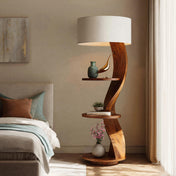
A tree shaped bookshelf is more than a storage piece. It acts as functional furniture and sculptural decor at the same time. Its branching silhouette naturally draws the eye upward, adds movement to a wall, and creates a focal point in spaces that might otherwise feel plain. Because of its artistic form, styling it well requires a thoughtful balance between practicality and visual harmony.

Unlike a standard bookcase with straight horizontal shelves, a tree bookshelf introduces asymmetry, varied shelf sizes, and a more playful structure. That means every book, plant, candle, or decorative object placed on it becomes part of the overall composition. With the right approach, your shelf can look curated rather than cluttered.
Start With the Right Placement
Before arranging a single item, choose the best location for your tree shaped bookshelf. Placement affects both its usability and its impact on the room. In living rooms, it works beautifully beside a sofa, near a reading chair, or on a feature wall. In bedrooms, it can replace a traditional bookcase and bring softness to a corner. In home offices, it adds personality without sacrificing function.
Try to place the bookshelf where its silhouette can be appreciated from a distance. Avoid tucking it into a visually crowded area where its unique shape gets lost. If possible, allow a bit of negative space around it so the branching structure remains clearly visible. Good lighting also matters. Natural light or a nearby lamp can highlight the shelf's lines and make the display feel more inviting.
Choose a Clear Styling Direction
The most beautiful displays have a sense of intention. Decide early whether you want your tree bookshelf to feel minimal, cozy, modern, eclectic, or nature inspired. A clear styling direction helps you make better choices about color, materials, and accessories.
For example, a minimalist display may use neutral book covers, small ceramic objects, and lots of empty space. A warm, cozy display may feature layered books, framed photos, trailing greenery, and soft ambient lighting. A nature themed design can lean into the tree motif with botanicals, earthy tones, wood accents, and organic textures.
When the objects on the shelf share a common visual language, the final result feels polished rather than random.
Balance Books and Decor
The biggest mistake people make with a tree shaped bookshelf is overfilling every shelf. Because the design is already visually active, too many items can quickly create clutter. A better approach is to balance books with decorative accents.
Use books as the foundation of the display. Then add a few carefully chosen accessories to break up the repetition and create breathing room. Ideal decor pieces include:
- Small potted plants or trailing vines
- Candles or candle holders
- Framed photos or mini art prints
- Ceramic vases
- Sculptural objects
- Bookends
- Storage boxes for small items
Aim for variety, but not chaos. If one branch has a stack of books, another can hold a plant or a decorative object. This rhythm keeps the eye moving naturally across the bookshelf.

Use the Rule of Visual Weight
Because tree bookshelves often have uneven shelf placement, paying attention to visual weight is essential. Larger or darker items appear heavier, while smaller or lighter objects appear lighter. Distribute these elements evenly across the shelf to prevent one side from looking too dense.
For instance, if you place several large hardcovers on the lower left side, consider balancing them with a medium plant or a decorative box on the lower right. Keep the top branches lighter overall. Smaller books, delicate objects, or a single decorative piece work better there than bulky items.
This approach creates a display that feels grounded at the base and airy toward the top, much like the shape of a real tree.
Organize Books Thoughtfully
Books are the heart of any tree bookshelf, so how you arrange them matters. You can organize them by color, size, genre, or a mix of all three, depending on the look you want.
Color coding creates a bold and intentional visual effect, especially in modern interiors. Organizing by size often looks cleaner and is especially useful on smaller branches where shelf space is limited. Grouping by genre is the most practical choice if the shelf is used frequently.
Mix vertical and horizontal stacking to add dimension. A few horizontal stacks can act as platforms for decor objects, while vertical rows maintain structure. Avoid forcing too many books into one section, as crowded shelves can make the whole piece feel messy and diminish the beauty of the tree silhouette.
Create Negative Space
One of the best decor tips for a beautiful display is to leave some shelves partially empty. Negative space is not wasted space. It gives the eye a place to rest and allows the design of the bookshelf itself to remain visible.
This is especially important with a tree shaped bookshelf because the branches are a major part of its charm. If every section is filled edge to edge, the sculptural quality disappears. Instead, let some branches hold only one or two items. The contrast between filled and open areas makes the display feel refined and intentional.
Add Greenery for a Natural Look
Since the shelf already references a tree, plants are a natural styling partner. A small touch of greenery can soften hard lines, introduce fresh color, and reinforce the organic theme without feeling obvious.

Choose compact plants that suit indoor conditions, such as pothos, philodendron, succulents, or small ferns. Trailing plants work particularly well on higher branches because they emphasize the shelf's vertical flow. If live plants are not practical for your space, high quality faux greenery can still create the desired effect.
Keep scale in mind. Plants should enhance the shelf, not overwhelm it. One or two well placed options are usually enough to make a strong impact.
Work With a Cohesive Color Palette
A cohesive palette instantly makes bookshelf decor look more elevated. Start with the color of the bookshelf itself, then choose accessories and book tones that complement it. A black tree bookshelf pairs beautifully with white ceramics, brass accents, and deep green plants. A white version looks fresh with pale woods, neutral linen tones, and soft pastels. A natural wood finish works especially well with earthy greens, terracotta, cream, and matte black details.
You do not need every item to match. In fact, too much uniformity can look flat. Instead, repeat a few colors across the display so the arrangement feels connected. Even subtle repetition, such as using warm wood frames and tan book spines throughout, can make a major difference.
Layer Heights and Textures
A beautiful display combines different heights, shapes, and textures. If every object is the same size and finish, the shelf may look static. Mix smooth ceramics with woven baskets, glossy covers with matte wood elements, and upright books with low stacked piles.
Use layering carefully. A small framed print placed behind a short vase can create depth without taking up much shelf space. A stack of two or three books under a candle holder adds height variation. Textural contrast also makes the display feel richer and more professionally styled.
The goal is to create visual interest while preserving the clean lines of the tree bookshelf.
Decorate Seasonally Without Redoing Everything
A tree shaped bookshelf can be updated throughout the year with just a few small changes. Seasonal styling keeps the shelf feeling fresh without requiring a complete redesign.
In spring, add light florals and brighter tones. In summer, keep it airy with coastal accents or crisp white ceramics. In autumn, introduce warm metals, amber glass, and earthy hues. In winter, a few candles, evergreen touches, or subtle festive decor can make the shelf feel cozy and relevant.

The key is restraint. Swap out a handful of accents rather than every item. This preserves the overall structure of your display while still reflecting the season.
Make It Functional for Everyday Living
Style matters, but function should not be ignored. The best tree bookshelf decor supports the way you actually live. Keep frequently used books within easy reach. Reserve higher or smaller branches for decorative items or books you access less often. If the shelf is in a family room, consider including a few practical storage elements such as lidded boxes for small essentials.
Functionality is especially important in compact homes where every furniture piece must work hard. A well styled shelf should still serve its purpose without becoming so precious that it loses practicality.
Common Tree Bookshelf Styling Mistakes to Avoid
Even a striking bookshelf can fall flat if styled poorly. Watch out for these common mistakes:
- Overcrowding every shelf
- Using decor items that are too large for the branches
- Ignoring color cohesion
- Placing all heavy items on one side
- Using too many tiny objects that create visual noise
- Hiding the unique tree silhouette behind clutter
If your display feels off, remove a few items before adding anything new. Editing is often the fastest way to improve the look.
Tree Shaped Bookshelf Ideas by Room
Different rooms call for slightly different styling strategies. In a living room, combine books with art objects, candles, and plants for a layered designer look. In a bedroom, keep the display softer and more personal with novels, framed photos, and calming tones. In a home office, emphasize practical organization with reference books, small storage boxes, and a few inspiring decor accents.
For children's rooms, a tree bookshelf can be especially charming. Use it to display colorful storybooks, soft toys, and playful accessories while keeping lower shelves accessible for young readers. In entryways, it can hold books, baskets, and a few decorative pieces to create a welcoming first impression.
How to Style a Tree Bookshelf Like a Pro
If you want a designer level result, follow a simple formula: start with books, add one natural element, include one sculptural object, repeat a key color, and leave some space empty. Step back and view the shelf from across the room, then adjust anything that feels too heavy, too busy, or too symmetrical.
Professional styling often comes down to restraint and repetition. A few repeated materials or colors make the shelf feel cohesive, while empty space gives the eye room to appreciate the display. The most beautiful arrangements look effortless, but they are usually the result of careful editing.
Final Thoughts
A well styled tree shaped bookshelf can transform an ordinary wall into a memorable design feature. By balancing books and decor, maintaining visual weight, using a cohesive palette, and embracing negative space, you can create a display that feels both beautiful and functional. Whether your style is modern, cozy, or nature inspired, the right arrangement will highlight the unique charm of your tree bookshelf and make it a standout piece in your home.
Take your time, experiment with placement, and do not be afraid to remove items that compete with the shelf's shape. When styled thoughtfully, a tree shaped bookshelf becomes more than storage. It becomes art you live with every day.