
Tree Shaped Bookshelf Buying Guide: Everything You Need to Know
The tree shaped bookshelf has become a favorite for homeowners, parents, and designers who want to combine storage with sculptural style. Whether you are looking for a whimsical focal point for a child's room, a nature-inspired accent for a living room, or a clever space saver in a small apartment, this guide covers everything you need to choose the right tree shaped bookshelf.

Why choose a tree shaped bookshelf?
A tree shaped bookshelf blends form and function. Its branching shelves mimic natural forms to create visual interest while offering practical storage for books, decor, toys, and plants. Key benefits include:
- Strong visual focal point that elevates room design
- Flexible shelf arrangement for mixed storage and display
- Great for themed rooms, nurseries, or eco-friendly interiors
- Often available in multiple sizes and materials to suit budgets
Common styles of tree shaped bookshelves
Not all tree shaped bookshelves look the same. Choose the style that best fits your space and personality.
- Minimalist silhouette: Clean lines and simple branches in painted wood or metal for modern interiors.
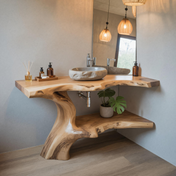
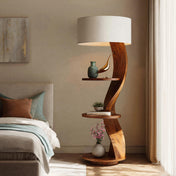
- Detailed sculptural: Carved wood or layered MDF with intricate branching for a statement piece.
- Modular and asymmetrical: Floating branches or staggered shelves that can be rearranged or combined.
- Kid-friendly designs: Rounded edges, bright colors, and lower shelves for easy access to children's books and toys.
- Corner tree shelves: Designed to maximize unused corner space while keeping the tree motif.
Materials: pros, cons, and what to look for
Material impacts durability, weight, price, and appearance. The most common materials include:
- Solid wood — Durable, repairs easily, premium look. Look for kiln-dried hardwoods like oak, maple, or walnut for longevity. More expensive and heavier.
- Plywood — Stable and strong when properly finished. Typically more affordable than solid wood and resists warping better than particleboard.
- MDF or particleboard — Very cost-effective and smooth for painted finishes, but heavier and less durable long-term. More prone to sagging if shelves are thin.
- Metal — Slim, modern, and strong at supporting weight. Often combined with wood shelves. Best for industrial or contemporary looks.
- Engineered finishes — Veneer or laminate can mimic wood grain at lower cost; check edge finishing and quality of adhesion.
Size, scale, and measuring for fit
Selecting the right size is crucial. Follow these steps to avoid surprises:

- Measure ceiling height and available wall width. Allow at least 2 inches clearance from each side for installation tolerances.
- Consider shelf depth. Standard book spines fit on 9 to 12 inch deep shelves. Shallow branches (6-8 inches) are best for children's books and decor; deeper shelves handle larger formats.
- Check branch spacing. Ensure vertical distances between branches accommodate book heights and any decorative items you plan to display.
- Account for doorway and stair clearance during delivery and assembly. Tall or wide pieces may not fit through narrow hallways.
Weight capacity and shelving structure
Tree shaped bookshelves can look delicate but may need to hold significant weight. Key considerations:
- Ask the seller for weight per shelf ratings. Solid wood or metal supports usually hold more weight than MDF branches.
- Heavier books should be stored on lower shelves to reduce top-heaviness and stress on fasteners.
- Bracketed or wall-anchored tree shelves provide extra support and safety compared with free-standing single-piece designs.
Safety: anchoring, stability, and childproofing
Safety is especially important if you have children or pets. Follow these tips:
- Always anchor tall or narrow tree shaped bookshelves to the wall using brackets or anti-tip straps included with the product or purchased separately.
- Avoid overloading top branches. Keep heavier items low and centered.
- Choose rounded edges and smooth finishes for children’s rooms to minimize injury risk.
- For DIY or delicate designs, secure shelves and joints with appropriate fasteners and wood glue where applicable.
Assembly and installation tips
Some tree shaped bookshelves come preassembled, others in flat-pack form. Plan ahead:
- Read the instruction manual fully before starting and lay out hardware. Keep extra screws and anchors handy.
- Assemble near the installation site to avoid moving a delicate finished piece through tight spaces.
- Use a stud finder for secure anchoring; toggle anchors work for drywall when studs aren’t available.
- If you hire professional installers, confirm they are insured and experienced with large furniture assembly.
Style and decor: how to display items
Make the most of your tree shaped bookshelf by mixing function and styling:

- Alternate books and decorative objects to avoid visual clutter. Group books by color or size for a curated look.
- Use lower branches for heavy books and upper branches for lightweight objects, plants, or framed photos.
- Add warm LED strip lighting along branches to highlight the form and create ambiance.
- In small spaces, choose a slimmer silhouette and lighter finish to avoid overpowering the room.
Budgeting: price ranges and value considerations
Prices vary widely based on material, size, and brand. Typical ranges:
- Budget models (MDF/particleboard): economical and stylish, often under 200 USD, but expect limited longevity.
- Mid-range (plywood, veneered finishes): 200 to 800 USD; better durability and finishes.
- Premium (solid hardwoods, handcrafted pieces): 800 USD and up; excellent durability and an heirloom-quality look.
Consider cost per year of expected use and whether you plan to resell or keep long-term. Investing more for solid construction pays off for frequently used or heirloom pieces.
Where to buy and what to ask
Find tree shaped bookshelves at furniture retailers, independent makers, and online marketplaces. When shopping, ask:
- What material and finish are used?
- What is the assembled size and weight capacity per shelf?
- Does it require wall anchoring and are anchors included?
- What is the return policy, assembly service options, and warranty?
Maintenance and longevity
Proper care will keep your tree shaped bookshelf looking great for years:

- Dust regularly with a soft cloth. Avoid harsh chemical cleaners on wood or veneer finishes.
- Address liquid spills immediately to prevent swelling in engineered boards.
- Tighten fasteners periodically and check anchors for stability.
- Refinish solid wood periodically with oil or stain to maintain color and protection.
DIY options and customization
If you enjoy woodworking or want a unique piece, consider building your own tree shaped bookshelf. Benefits include custom sizing, choice of wood, and design freedom. Basic tips:
- Sketch a scaled plan with shelf depths and branch spacing before cutting materials.
- Use plywood or hardwood for structural elements and edge-banding to finish plywood edges.
- Reinforce joints with dowels, biscuits, or metal brackets for extra strength.
- Seal with durable finishes to reduce wear and simplify cleaning.
FAQ
Is a tree shaped bookshelf suitable for heavy books?
It can be, but verify the weight rating of each shelf and put heavier books lower down. Choose solid wood or metal-framed designs for higher load capacity.
Can I use a tree bookshelf outdoors?
Most tree shaped bookshelves are designed for indoor use. If you want an outdoor version, use weatherproof materials like treated teak or metal with protective coatings and place under cover.
How do I childproof a tree shaped bookshelf?
Anchor it to the wall, avoid placing tempting items at the top, and choose rounded-edge designs. Use anti-tip straps and keep heavy objects on lower shelves.
Conclusion
A tree shaped bookshelf is an excellent way to combine storage and design. By considering material, size, weight capacity, safety, and style, you can choose a piece that fits your needs and lasts for years. Whether you buy ready-made or build a custom one, following the guidance in this buying guide will help you find the perfect tree shaped bookshelf for your home.
Next steps: Measure your space, set a budget, and prioritize materials and safety features. With a clear plan, you can confidently shop for a tree shaped bookshelf that enhances both storage and style.