
Tree Bookshelf Materials: What Works Best?
A tree bookshelf is more than a storage unit. It is a design statement that blends function, sculpture, and personality in one piece. Whether you want a bold focal point for a living room, a practical organizer for a bedroom, or a compact tree bookshelf for small spaces, the material you choose has a major impact on durability, appearance, maintenance, and long-term value.

Because the branches and angled shelves of a tree design bookshelf create a more complex structure than a standard bookcase, material selection matters even more. Some materials offer premium strength and natural beauty, while others prioritize affordability, lighter weight, or a sleek contemporary style. If you are comparing options for a modern tree bookshelf for apartment living or looking for a timeless solid wood tree bookshelf, this guide will help you understand what works best and why.
Why Material Matters in a Tree Bookshelf
A tree bookshelf often has a vertical, branching form. That means shelves may be narrower, angled, or asymmetrical compared with traditional horizontal bookcases. In practice, this design puts unique demands on the frame and joints. The wrong material can lead to wobbling, sagging, surface wear, or a shorter lifespan.
Here is why material is so important:
- Structural stability: Tree-inspired shelving relies on strong joints and a reliable central frame.
- Weight capacity: Books are heavy, especially hardcovers and art books.
- Visual impact: Material determines whether the look feels rustic, minimalist, industrial, or Scandinavian.
- Maintenance: Some surfaces scratch or swell more easily than others.
- Cost: Budget options can look attractive, but premium materials usually last longer.
If you want a bookshelf that stays attractive and sturdy over time, matching the material to your room, budget, and daily use is essential.
Solid Wood: The Best Overall Choice
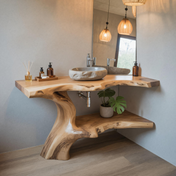
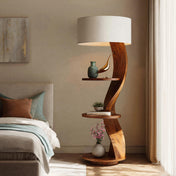
For many buyers, a solid wood tree bookshelf is the best overall option. Solid wood combines natural beauty, excellent strength, and a premium feel that suits both classic and modern interiors. It is especially well suited to tree-shaped designs because the organic grain and texture reinforce the nature-inspired concept.
Advantages of Solid Wood
- High durability: Solid wood resists everyday use better than most low-cost engineered materials.
- Strong load-bearing ability: It can hold more weight when properly designed.
- Timeless style: Wood works in modern, rustic, farmhouse, Japandi, and transitional spaces.
- Repairable: Minor dents and scratches can often be sanded or refinished.
- Natural character: Every piece has unique grain, warmth, and depth.
Best Wood Types for a Tree Bookshelf
Not all solid woods perform the same way. These are among the best choices:
- Oak: Very durable, attractive grain, excellent for heavier book collections.
- Maple: Dense and smooth, ideal for clean, contemporary finishes.
- Walnut: Rich color and upscale appearance, often used in premium designer pieces.
- Pine: More affordable and lightweight, though softer and more prone to dents.
- Birch: Strong and versatile, often used in modern furniture with a subtle grain pattern.
Potential Drawbacks of Solid Wood
Solid wood is usually the most expensive material category. It can also be heavier, which matters if you live in an upstairs apartment or plan to rearrange often. In very humid or dry environments, lower-quality wood construction may shift slightly over time. That said, a well-made solid wood unit remains one of the most reliable investments for anyone who wants beauty and longevity.
Engineered Wood: Budget-Friendly and Widely Available
Engineered wood includes MDF, particleboard, and plywood. Many affordable tree bookshelves are made from one of these materials, often with laminate or veneer finishes. These options are common because they lower manufacturing costs and allow attractive designs at accessible price points.
MDF for Tree Bookshelves
MDF, or medium-density fiberboard, is made from compressed wood fibers and resin. It has a smooth, uniform surface that takes paint and laminate very well.
Pros of MDF:
- Affordable and easy to shape into decorative forms
- Smooth finish for modern painted looks
- No visible knots or inconsistent grain
- Often lighter on the budget than solid wood
Cons of MDF:
- Heavier than some people expect
- Can sag under excessive weight if shelves are thin
- More vulnerable to moisture damage
- Edges can chip if poorly finished
MDF can work well for a modern tree bookshelf for apartment use if you want a clean, painted finish and do not plan to overload it with very heavy books.
Particleboard
Particleboard is the most economical option in many low-cost furniture pieces. It is made from wood particles bonded with resin and usually covered with laminate.
Pros of particleboard: Very affordable
- Lightweight in some designs
- Available in many finishes
Cons of particleboard:
- Less durable than solid wood or plywood
- Can weaken around screws and fasteners over time
- Prone to swelling if exposed to moisture
- Lower weight capacity
Particleboard may be acceptable for decorative use, lighter books, or temporary furnishing needs, but it is not the best choice for a long-term, heavily used tree bookshelf.
Plywood
Plywood is often the strongest engineered wood option. It is made by layering thin wood veneers in alternating grain directions, which improves strength and dimensional stability.
Pros of plywood:
- Better structural strength than MDF or particleboard
- More resistant to warping
- Lighter than many solid wood pieces
- Good balance of cost and durability
Cons of plywood:
- Higher cost than particleboard or MDF
- Visible edges may need veneer or trim
- Quality varies by grade
If you want a practical balance between price and performance, plywood is one of the smartest materials for a tree bookshelf.
Metal and Mixed-Material Tree Bookshelves
Metal is less common as the main body of a tree bookshelf, but it appears often in mixed-material designs. For example, a shelf may use a steel frame with wood or engineered wood shelves. This approach can deliver a striking industrial or modern aesthetic while improving stability.
Benefits of Metal Elements
- Excellent structural support: Steel frames can reinforce narrow vertical designs.
- Modern look: Great for loft, industrial, or minimalist interiors.
- Slim profile: Metal framing can look visually lighter in compact rooms.
- Long-lasting: Powder-coated metal resists wear well.
Drawbacks of Metal
- May feel colder or less organic than all-wood furniture
- Lower design warmth in cozy interiors
- Can scratch floors if feet are not protected
- Cheaper finishes may chip over time
A metal-and-wood combination can be an excellent solution for a tree bookshelf for small spaces because the frame can stay slim while maintaining strength.
Laminate and Veneer Finishes: Are They Good Enough?
When shopping for a tree bookshelf, it is important to distinguish between the core material and the finish. A unit may look like oak or walnut, but the visible surface could actually be laminate or real wood veneer over MDF or plywood.
Laminate
Laminate is a synthetic surface bonded to engineered wood. It can mimic wood grain, solid colors, stone, or matte modern finishes.
Why laminate can work:
- Easy to clean
- Resists staining better than some natural finishes
- Often more affordable
- Available in many contemporary styles
Limitations of laminate:
- Cannot be sanded and refinished like real wood
- May peel or chip at edges over time
- Can look less authentic in lower-quality products
Wood Veneer
Wood veneer uses a thin layer of real wood over a core such as plywood or MDF. It provides a more natural look than laminate while keeping costs below solid hardwood in many cases.
Why veneer is appealing:

- Real wood appearance
- More affordable than solid wood in some cases
- Can create a premium look with better stability
Veneer drawbacks:
- Surface damage can be harder to repair than solid wood
- Quality varies widely
- Thin veneer layers may not tolerate aggressive refinishing
A high-quality veneer over plywood can be a strong choice if you want a stylish tree design bookshelf without paying premium solid hardwood prices.
Best Material by Use Case
The best material often depends on how and where you plan to use the bookshelf. Here are the most practical recommendations by scenario.
Best for Heavy Book Collections
Solid wood or high-grade plywood works best. These materials handle weight more reliably and offer stronger long-term performance.
Best for Small Apartments
For a modern tree bookshelf for apartment living, plywood or a metal-and-wood combination is often ideal. These options can be durable while keeping the design visually light and easier to move.
Best for Budget Buyers
MDF with a quality laminate or painted finish offers a good balance of style and affordability. It is better than the lowest-grade particleboard for most users.
Best for Premium Interiors
Walnut, oak, or maple solid wood gives the most upscale appearance. These materials elevate a tree bookshelf from simple storage to designer furniture.
Best for Kids' Rooms
A bookshelf in a child's room should be stable, smooth, and safe. Plywood or solid wood with rounded edges is usually preferable. Avoid low-quality finishes that chip easily, and always anchor tall units to the wall.
What to Avoid When Choosing a Tree Bookshelf
Even a beautiful shelf can become frustrating if the construction is weak. As you compare materials, watch for these warning signs:
- Very thin shelves: These are more likely to sag.
- Loose fasteners: Especially common in very low-cost particleboard designs.
- Poor edge finishing: Chipping and peeling often start here.
- No anti-tip hardware: Essential for tall, narrow tree-style units.
- Unclear weight ratings: A red flag if you plan to store real books rather than only decor.
The more sculptural the design, the more important engineering becomes. A strong material cannot compensate for poor construction, but high-quality material plus good assembly is the formula for a lasting bookshelf.
How Material Affects Style
Choosing the right material is not only about strength. It also shapes the visual identity of your room. Here is how different materials influence design.
Solid Wood Style
Solid wood creates warmth, depth, and authenticity. It works beautifully in cozy living rooms, reading nooks, home offices, and spaces built around natural textures.
Painted MDF Style
Painted MDF suits minimalist and contemporary interiors. White, black, and muted earth tones are especially popular for apartment-friendly modern spaces.
Plywood Style
Plywood can feel clean, casual, and Scandinavian, especially when paired with visible wood edges and a matte finish.

Metal and Wood Style
This combination gives a more urban and architectural effect. It is ideal if you want unique tree bookshelf ideas that feel artistic and current rather than rustic.
Best Choice for a Tree Bookshelf for Small Spaces
When floor area is limited, material choice becomes even more strategic. A tree bookshelf for small spaces should be stable without appearing bulky. Bulky wood can sometimes overwhelm a tiny room, while overly cheap materials may wobble or fail under normal use.
In most compact rooms, the best options are:
- Plywood: Strong, relatively lightweight, and visually streamlined
- Metal frame with wood shelves: Slim appearance with solid support
- High-quality MDF: Good for budget-conscious buyers who want a painted modern look
To maximize a small space, look for a tree bookshelf with a narrow footprint, balanced branch layout, and wall-anchoring support. Vertical designs work especially well because they add storage without taking much floor space.
Maintenance Tips by Material
Once you choose your bookshelf, proper care helps preserve its appearance and structure.
Solid Wood Care
- Dust regularly with a soft cloth
- Avoid prolonged direct sunlight
- Use coasters or mats under plants and decor
- Reapply appropriate wood polish or oil if recommended
Engineered Wood Care
- Wipe spills quickly to prevent swelling
- Use a damp cloth, not excessive water
- Avoid dragging heavy objects across surfaces
- Check hardware periodically for loosening
Metal Care
- Dust and wipe with a soft cloth
- Use non-abrasive cleaners
- Watch for chips in painted finishes
- Add felt pads to protect flooring
These simple habits extend the life of any tree bookshelf, regardless of material.
Unique Tree Bookshelf Ideas by Material
If you are exploring unique tree bookshelf ideas, material can help define the personality of the piece:
- Walnut solid wood: Sophisticated, gallery-like, and warm
- White painted MDF: Crisp, minimalist, ideal for modern apartments
- Birch plywood: Light Scandinavian character with subtle natural charm
- Black metal and oak shelves: Industrial-modern contrast
- Reclaimed wood: Eco-friendly with rustic texture and strong visual story
Each option creates a very different mood, even when the tree silhouette remains the same.
Final Verdict: What Works Best?
If you want the best all-around material for a tree bookshelf, solid wood remains the top choice. It delivers strength, visual richness, long-term durability, and a natural fit for the tree-inspired design. For many buyers, especially those who value furniture as a lasting investment, a solid wood tree bookshelf is hard to beat.
If budget matters but you still want dependable performance, plywood is the smartest alternative. It offers better strength than basic MDF or particleboard and works especially well in a tree bookshelf for small spaces or a modern tree bookshelf for apartment settings.
If style and cost are your main priorities, MDF with a quality finish can still be a practical option, particularly for lighter use. However, for maximum longevity, avoid the cheapest particleboard models unless the shelf is mostly decorative.
In short, the best material depends on your priorities:
- Best overall: Solid wood
- Best value: Plywood
- Best budget modern look: MDF
- Best industrial style: Metal and wood combination
A well-made tree design bookshelf should do more than look good in photos. It should feel stable, support your books safely, and complement your space for years. Choose the right material, and your bookshelf becomes both practical storage and a true design feature.