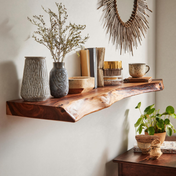

Mushroom Floating Shelf Trends That Bring Nature Indoors
The rise of biophilic design has changed the way people think about home styling. Instead of choosing purely functional furniture and accessories, homeowners are increasingly drawn to pieces that create a stronger connection to the natural world. One of the most charming examples of this movement is the Mushroom Floating Shelf. Equal parts practical and artistic, this shelf style brings soft organic curves, woodland character, and sculptural warmth into interior spaces.

Whether used in a cozy reading nook, a nursery, an entryway, or a minimalist living room, a Mushroom Floating Shelf can turn an ordinary wall into a design feature. Its appeal lies in its ability to feel whimsical without sacrificing sophistication. It references the forest, handmade design, and the growing desire for interiors that feel calm, grounded, and personal.
In this guide, we will explore why the Mushroom Floating Shelf has become such a standout trend, what materials and finishes are shaping the market, how to style one beautifully, and what to consider when choosing the right piece for your home.
Why the Mushroom Floating Shelf Is Trending
The popularity of the Mushroom Floating Shelf is closely tied to broader interior design shifts. Organic design is no longer a niche preference. It has become a major force across modern, Scandinavian, rustic, Japandi, and eclectic homes. People want interiors that soften hard architectural lines and introduce visual comfort. A shelf inspired by mushroom forms naturally fits that goal.
Unlike sharp-edged shelving, a Mushroom Floating Shelf often features rounded contours, dome-like silhouettes, and earthy textures. These design cues create a gentler visual language. In rooms dominated by flat surfaces and straight angles, mushroom-inspired forms add movement and softness.
Another reason for the trend is versatility. A Mushroom Floating Shelf can function as a display ledge, bedside shelf, decorative accent, or compact storage solution. It appeals to design lovers who want wall decor to feel both useful and expressive.
- Biophilic appeal: brings references to forests, fungi, and natural growth indoors.
- Sculptural style: acts as wall art as much as storage.
- Compact functionality: ideal for small spaces and vertical styling.
- Handcrafted character: often associated with artisan, handmade, or wood-based decor.
- Trend compatibility: works with earthy palettes, textured walls, and curated decor.
The Design Language Behind Mushroom-Inspired Decor
To understand the success of the Mushroom Floating Shelf, it helps to look at the symbolic and visual meaning of mushrooms in design. Mushrooms evoke woodland calm, quiet growth, and a subtle kind of magic. They are natural forms that feel sculptural yet approachable. In decor, mushroom motifs often communicate warmth, creativity, and a return to simpler natural references.
This trend also aligns with a move away from stark industrial interiors. Today’s homeowners are seeking comfort-centered spaces with layered textures and rounded details. Mushroom-inspired shapes echo this preference through curved brackets, domed shelf edges, and softly carved profiles.
In some designs, the mushroom influence is literal, with a cap-and-stem silhouette. In others, it is abstract, visible in the rounded shelf platform or bulbous underside. Both approaches contribute to a room that feels less manufactured and more alive.
Popular Mushroom Floating Shelf Materials
Material choice plays a major role in the final look of a Mushroom Floating Shelf. Since the trend is rooted in nature, finishes that highlight organic texture tend to be the most desirable. Wood remains the top choice, but there are several directions within that category and beyond.
Natural Wood
Solid wood shelves are the most timeless expression of this trend. Oak, walnut, pine, ash, and beech are especially popular because they showcase grain patterns and warm undertones. A wooden Mushroom Floating Shelf can feel rustic, Scandinavian, or contemporary depending on the stain and silhouette.
Lighter woods support airy interiors and Nordic-inspired spaces, while darker woods create depth and contrast in moody or refined rooms.
Carved and Hand-Finished Wood
Artisan-made shelves often feature carved edges, hand-sanded surfaces, or irregular contours that emphasize craftsmanship. These details make each Mushroom Floating Shelf feel one-of-a-kind. Handmade pieces also appeal to buyers who prefer decor with story and personality over mass-produced uniformity.

Painted MDF or Engineered Wood
For more playful or budget-conscious applications, painted engineered wood is also common. This option is especially popular in children’s rooms, nurseries, and whimsical gallery walls. Soft whites, muted sage, terracotta, and clay tones work particularly well.
Ceramic and Mixed Media
Some premium interpretations combine wood with ceramic, resin, or plaster-inspired finishes. These hybrid designs can create a highly sculptural Mushroom Floating Shelf that blurs the line between furniture and art object.
Trending Colors and Finishes
Because a Mushroom Floating Shelf is rooted in nature-inspired decor, its most effective finishes usually reflect earthy and calming tones. Current color trends emphasize subtle warmth over harsh contrast.
- Warm oak: ideal for Scandinavian and Japandi interiors.
- Walnut brown: rich, grounded, and elegant.
- Mushroom taupe: a soft neutral that directly nods to the trend name.
- Terracotta: adds warmth and a handcrafted feel.
- Sage green: complements plants and botanical styling.
- Chalk white: clean and airy without feeling too stark.
Matte and low-sheen finishes dominate this trend because they preserve the natural, tactile quality of the shelf. Glossy surfaces can distract from the earthy appeal that makes the Mushroom Floating Shelf so compelling.
Where a Mushroom Floating Shelf Works Best
One reason this shelf trend has such wide appeal is that it can fit into nearly any room. The key is choosing the right scale, finish, and styling approach for the setting.
Living Room
In the living room, a Mushroom Floating Shelf can display small ceramics, trailing plants, framed art, candles, or books. It works especially well as part of an asymmetrical wall arrangement where softness and visual layering are desired.
Bedroom
A compact Mushroom Floating Shelf can function as a minimalist nightstand alternative. It holds essentials like a book, glasses, a diffuser, or a small lamp while keeping the room open and uncluttered.
Nursery or Kids’ Room
This is one of the most popular placements for mushroom-themed decor. A Mushroom Floating Shelf adds storybook charm and supports playful styling with stuffed animals, picture books, and keepsakes. Soft painted finishes are especially effective here.
Entryway
In a small entry, a floating shelf offers a stylish perch for keys, a small bowl, seasonal branches, or a framed print. The mushroom-inspired shape helps soften a high-traffic area that can otherwise feel purely functional.
Bathroom
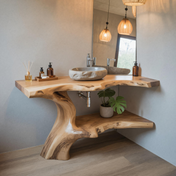
When properly sealed and installed, a Mushroom Floating Shelf can bring warmth to bathrooms that need texture. It works beautifully with rolled towels, amber bottles, and natural stone or tile surfaces.
How to Style a Mushroom Floating Shelf
The best styling approach balances usefulness with visual breathing room. Since the shape itself is often decorative, overcrowding the shelf can reduce its impact. A Mushroom Floating Shelf typically looks strongest when curated with a small number of thoughtful objects.
Embrace Natural Elements
Lean into the organic theme by pairing the shelf with dried florals, potted ferns, moss art, stones, ceramics, or wooden accessories. These materials reinforce the connection to nature and make the shelf feel integrated rather than novelty-driven.

Use Height Variation
Combine one taller item, one medium object, and one lower accent to create rhythm. For example, a small vase, a candle, and a stacked mini book set can work together without overwhelming the shelf.
Keep the Palette Grounded
Earth tones, muted greens, creamy neutrals, and warm browns work best with a Mushroom Floating Shelf. If the shelf itself is a statement shape, color harmony helps preserve a calm and elevated look.
Mix Practical and Decorative Items
A beautiful shelf should still serve daily life. Try combining a functional item such as a jewelry dish or clock with more decorative elements like a ceramic mushroom, framed botanical print, or trailing plant.
Give It Space
Part of the charm of a Mushroom Floating Shelf is its silhouette. Leave enough empty wall space around it so the form can be appreciated as a design feature.
Mushroom Floating Shelf Ideas by Interior Style
This trend is surprisingly adaptable. Here is how a Mushroom Floating Shelf can be interpreted across different design aesthetics.
Scandinavian
Choose pale wood, simple curves, and restrained styling. Pair with linen textures, white walls, and a single ceramic vase for a clean but warm presentation.
Japandi
Look for a Mushroom Floating Shelf in natural oak, ash, or walnut with minimal ornamentation. Style with a handcrafted bowl, a small branch, or a neutral-toned candle.
Rustic
A chunkier shelf with visible grain, knots, or carved edges fits beautifully in rustic homes. Combine it with baskets, vintage finds, and earthy textiles.
Modern Organic
In a modern organic setting, the shelf should feel sculptural and refined. Select smooth curves, matte finishes, and a limited palette of stone, wood, and soft greens.
Whimsical or Cottagecore
This is where a more literal Mushroom Floating Shelf can truly shine. Use playful shapes, painted finishes, botanical wallpaper, and charming accessories to create a storybook effect.
What to Look for When Buying a Mushroom Floating Shelf
Not all shelves are created equal. If you want a piece that is both beautiful and durable, consider the following factors before purchasing.
- Weight capacity: check how much the shelf can safely hold, especially if you plan to display ceramics or books.
- Mounting hardware: concealed brackets create the cleanest floating appearance.
- Material quality: solid wood and well-finished engineered wood tend to offer the best long-term value.
- Finish durability: choose sealed or treated surfaces for humid environments like bathrooms.
- Scale: make sure the proportions fit the wall and do not overpower nearby decor.
- Craftsmanship: look for smooth edges, secure joins, and consistent finishing.
A well-made Mushroom Floating Shelf should feel intentional, stable, and aesthetically cohesive with the rest of the room.

Installation Tips for a Clean Floating Look
The floating effect is part of what makes this shelf style so elegant. Proper installation is essential, especially for heavier materials or more sculptural forms.
Whenever possible, mount into wall studs for maximum support. If studs are not available, use high-quality anchors suitable for your wall type. Measure carefully to ensure the shelf is level, and follow the manufacturer’s instructions for bracket depth and spacing.
For a polished result, consider the shelf height in relation to surrounding furniture. Above a nightstand area, a Mushroom Floating Shelf should be easy to reach without feeling cramped. In a decorative display arrangement, spacing between shelves or artwork should feel balanced and intentional.
The Sustainability Appeal of Nature-Inspired Shelving
Another reason the Mushroom Floating Shelf resonates with today’s buyers is sustainability. Consumers are increasingly looking for home decor that feels slower, more durable, and less disposable. Shelves made from responsibly sourced wood, reclaimed materials, or handcrafted processes fit this preference well.
Because the design is rooted in timeless natural forms rather than short-lived novelty, it tends to age gracefully. A quality Mushroom Floating Shelf can remain relevant even as other trends shift. This makes it a more sustainable style investment than highly themed decor with limited versatility.
Supporting small makers and artisan studios is another strong aspect of this trend. Many mushroom-inspired shelves come from independent creators who emphasize material integrity, small-batch production, and thoughtful design.
Why This Trend Feels Timeless, Not Temporary
Some decor trends fade quickly because they rely on exaggerated styling or overly specific visual cues. The Mushroom Floating Shelf stands apart because it draws from enduring design principles: organic shape, practical function, natural material, and emotional warmth.
It also responds to a lasting need in interior design. People want homes that feel restorative. They want rooms that reduce visual stress and encourage calm. Curved forms, earthy surfaces, and nature-linked references contribute to that atmosphere in a meaningful way.
Even if the exact mushroom motif evolves over time, the broader movement toward softer, organic shelving is likely to remain. That makes a Mushroom Floating Shelf a smart choice for anyone who wants a trend-aware piece with staying power.
Final Thoughts
A Mushroom Floating Shelf is more than a place to set small objects. It is a design statement that reflects the growing desire to bring nature indoors through thoughtful, artful forms. With its sculptural curves, earthy finishes, and adaptable styling potential, it can enhance a wide range of interiors from minimalist to whimsical.
If you want to add warmth, personality, and a biophilic touch to your walls, this shelf trend offers a practical and visually distinctive solution. Choose quality materials, keep styling intentional, and let the organic silhouette do what it does best: soften the space and create a stronger connection between home and nature.