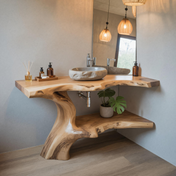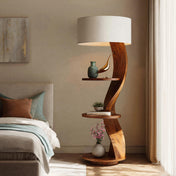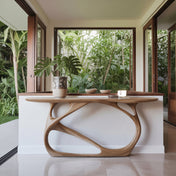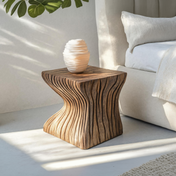

How Tree Bookshelves Improve Room Flow And Movement
Tree bookshelves are more than whimsical furniture; they are powerful design tools that influence how people move and feel in a space. Whether you choose a decorative tree bookcase for a living room focal point, a small tree bookshelf for a tight corner, or a modern tree bookshelf to complement contemporary decor, the right piece can shape circulation, define zones, and promote effortless movement.

Why a Tree Bookshelf Works for Room Flow
At its core, room flow is about guiding movement—how people enter, navigate, linger, and exit spaces. A tree bookshelf, with its vertical lines and branching shelves, supports circulation in several ways:
- Vertical emphasis: The upward sweep of a tree bookshelf draws the eye up, creating a perception of height and reducing visual clutter at eye level. This encourages movement around the base rather than crowding horizontal sightlines.
- Lightweight footprint: Many tree bookcases have a narrow footprint. This reduces obstruction in walkways and preserves clear paths even when shelving appears abundant.
- Natural zoning: A tree bookshelf can serve as a subtle divider between areas without blocking sightlines—ideal for open-plan living rooms or studio apartments.
- Directional cues: The branches and staggered shelves guide the eye and the body along intended routes, subtly encouraging circulation around furniture clusters.
Placement Strategies to Maximize Movement
Placement matters as much as the shelf design. Here are practical ways to position a tree bookshelf to improve flow:
- Near entry points, not in them: Place a decorative tree bookcase close to an entry wall to catch attention and create a welcoming anchor, but avoid blocking the direct path into the room.
- As a soft divider: Use a tree bookshelf to delineate a living area from a workspace. A narrow or tall tree bookshelf provides separation while maintaining open sightlines.
- In corners to free circulation: A small tree bookshelf fits well in corners that would otherwise hold awkward accent chairs or empty space, keeping the central flow unobstructed.
- Against transitional walls: Place a modern tree bookshelf along a hallway or between rooms as a sculptural wayfinding element that encourages movement past it rather than around bulky furniture.
Choosing the Right Style: Modern, Wooden, or Decorative
Style impacts perception. Selecting the appropriate aesthetic ensures the shelf enhances movement rather than competing with it.
Modern Tree Bookshelf
Modern tree bookshelves often use clean lines, minimal ornamentation, and light materials. Their streamlined silhouettes maintain airy pathways and prevent visual heaviness, especially in small rooms.

Wooden Tree Bookshelf
A wooden tree bookshelf brings warmth and tactile appeal. Opt for lighter finishes or open designs to avoid making the room feel congested. The natural grain can guide the eye along vertical planes, reinforcing movement from floor to ceiling.
Decorative Tree Bookcase
A decorative tree bookcase can be a sculptural centerpiece. To keep circulation smooth, balance ornamentation with openness: choose shelves with staggered spacing and open backs, or pair the piece with minimal surrounding furnishings.
Scale Considerations: Small, Tall, and Narrow Options
Scale is crucial to maintaining flow. Here are guidelines for common sizes:
- Small tree bookshelf: Ideal for tight spaces, corners, and entryways. Use it to hold essentials and decorative objects without blocking traffic.
- Tall tree bookshelf: Best when you want to emphasize verticality and free up floor area. Tall units anchor walls and direct movement upward, making rooms feel less cluttered at eye level.
- Narrow tree bookshelf: Perfect for hallways and between pieces of furniture. A narrow tree bookshelf preserves the path width while offering storage and visual interest.
Styling Tips to Encourage Movement
How you style a tree bookshelf affects how people interact with the space. Use these tactics to enhance flow:

- Mix art with storage: Intermix books and decorative items to create resting points for the eye, guiding viewers along a path rather than trapping their attention in one spot.
- Leave negative space: Resist filling every shelf. Strategic empty areas create breathing room and suggest paths around the unit.
- Use directional accents: Items with vertical or angled lines reinforce the tree motif and subtly point toward exits and walkways.
- Maintain clear floor space: Avoid placing low objects in front of the shelf base that could hinder circulation or create trip hazards.
Room-Specific Examples
Living Room
In the living room, a tree bookshelf for living room use becomes a focal point and transitional element. Place a decorative tree bookcase behind a sofa to differentiate seating from circulation zones while keeping access to both sides.
Home Office
For a home office, a modern tree bookshelf organizes resources without creating a boxy feeling. Use narrow variants to store reference books while keeping walkways clear between desk and door.
Entryway or Hall
A small tree bookshelf in an entryway offers storage for keys, mail, and seasonal items and signals circulation toward the rest of the home without crowding the pass-through area.
Materials and Durability
Materials influence weight, maintenance, and perceived openness. Wooden tree bookshelves convey warmth and sturdiness; metal and laminate models often offer slimmer profiles and lighter visual weight. Consider finish and back openness: an open-backed design enhances sightlines while solid backs can anchor a room visually but risk blocking flow if too dark or heavy.

Practical Buying Checklist
- Measure pathways and doorway widths before buying to ensure the chosen bookshelf won't obstruct traffic.
- Assess wall and floor stability for tall models and plan for anchoring to prevent tipping.
- Decide on open vs. closed backs based on whether you want sightlines preserved or a stronger visual anchor.
- Consider modular or staggered shelving for flexibility in styling and movement guidance.
Maintenance and Long-Term Use
Keep shelves tidy to preserve their impact on flow. Regularly rotate displayed items to refresh directional cues and reduce visual weight. For wooden tree bookshelves, dust and condition finishes periodically to maintain both appearance and functionality.
Common Pitfalls to Avoid
- Overfilling shelves so they visually weigh down the unit and hinder perceived movement.
- Placing a bookcase directly in a primary traffic lane, which disrupts natural circulation.
- Choosing an overly ornate decorative tree bookcase in a small space, making the room feel cramped.
Conclusion
A thoughtfully selected tree bookshelf does more than store books. Whether you opt for a decorative tree bookcase, a modern tree bookshelf, or a compact small tree bookshelf, the right design and placement can dramatically improve room flow and movement. Use vertical emphasis, narrow footprints, and mindful styling to guide circulation, define zones, and keep spaces feeling open and dynamic. When integrated intentionally, tree bookshelves become both functional storage and subtle architects of movement in your home.
Ready to improve your room flow? Start by measuring paths, choose the scale that fits your space, and let a tree bookshelf be the design element that guides movement and uplifts your interior.