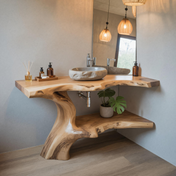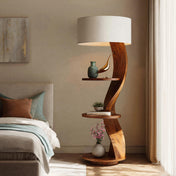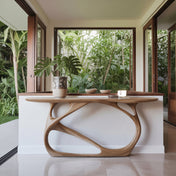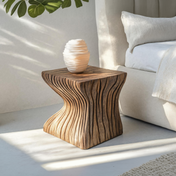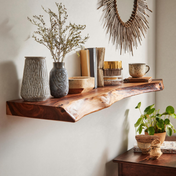

How to Style a Mushroom Floating Shelf with Plants and Art
A Mushroom Floating Shelf can do far more than hold a few decorative objects. It can become a focal point that adds warmth, personality, and sculptural charm to a room. With its playful organic silhouette and practical wall-mounted design, this shelf style works beautifully in living rooms, bedrooms, nurseries, entryways, and even creative office spaces. When styled thoughtfully with plants and art, a Mushroom Floating Shelf can transform an empty wall into a curated display that feels both elevated and inviting.

The key to great shelf styling is balance. You want a display that looks effortless, but not accidental; expressive, but not cluttered. Plants bring life, color, and texture, while art introduces shape, contrast, and personality. Together, they create a layered composition that makes the shelf feel intentional. Whether your home leans modern, bohemian, Scandinavian, eclectic, or cottage-inspired, the same design principles can help you style your Mushroom Floating Shelf in a way that feels cohesive and visually pleasing.
Why a Mushroom Floating Shelf Works So Well in Decor
The appeal of a Mushroom Floating Shelf comes from its blend of softness and function. Traditional floating shelves often feature straight lines and sharp corners, but a mushroom-inspired design introduces rounded contours and a whimsical feel. That organic shape naturally complements plants, ceramics, framed prints, and handmade decor. It softens walls and can make a room feel more relaxed and creative.
Because it appears to “float” without visible brackets, the shelf also keeps the display visually light. This is especially useful in smaller rooms where heavy furniture or bulky wall storage can feel overwhelming. A Mushroom Floating Shelf offers enough structure to showcase your favorite pieces without making the space look crowded.
- Organic shape: Pairs well with trailing vines, curved pottery, and soft-toned art.
- Space-saving design: Ideal for small apartments, compact bedrooms, and narrow hallways.
- Decorative impact: Functions as both storage and wall art.
- Versatility: Works with many interior styles and color palettes.
Start with the Right Placement
Before styling the shelf itself, consider where the Mushroom Floating Shelf will have the strongest visual effect. Placement matters because the surrounding wall, furniture, and lighting all influence how the arrangement reads. In a living room, the shelf can be mounted above a side table, reading chair, or console. In a bedroom, it may work beautifully above a nightstand or dresser. In a nursery or child’s room, the mushroom form adds a playful storybook quality that pairs naturally with art prints and soft greenery.
Try to install the shelf at a height where the details can be appreciated without straining the eye. If it sits too high, the art and plant shapes may disappear into the background. If it is too low, the arrangement can feel disconnected from the rest of the room. The best position usually allows the shelf to feel integrated with nearby furniture while still standing on its own as a styled moment.
Choose a Clear Styling Direction
One of the easiest mistakes when decorating a Mushroom Floating Shelf is adding too many unrelated items. A shelf display becomes more compelling when it follows a simple visual theme. That does not mean everything must match perfectly, but the pieces should feel connected through color, material, mood, or form.
You might choose a botanical look with leafy plants, earthy ceramics, and nature-inspired art. You could create a minimalist display with one framed abstract print, a small potted plant, and plenty of empty space. Or you might lean into a whimsical woodland aesthetic with tiny sculptures, mushrooms in artwork, and tactile handmade decor.
Ask yourself what mood you want the shelf to communicate:
- Calm and minimal
- Playful and artistic
- Earthy and natural
- Collected and eclectic
- Soft and romantic
Once you decide on the feeling, styling choices become much easier.
Use Plants to Add Height, Movement, and Life
Plants are one of the best companions for a Mushroom Floating Shelf because they enhance its organic character. Even a single plant can make the shelf feel fresh and alive. The trick is to vary the plant shape depending on the effect you want.
For example, a trailing plant such as pothos, string of hearts, or ivy adds movement and softness. The vines can gently spill over the edge of the Mushroom Floating Shelf, emphasizing the floating effect and creating a relaxed, layered look. Upright plants, such as a compact snake plant, peperomia, or small fern, introduce height and structure. Rounded plants pair especially well with the mushroom silhouette because they echo the shelf’s soft form.
If natural light is limited, consider low-maintenance varieties that tolerate indoor conditions well. If live plants are not practical for your space, high-quality faux stems can still create the same visual balance when arranged thoughtfully.

Best plant types for a Mushroom Floating Shelf
- Trailing plants: Pothos, philodendron, ivy, string of pearls, string of hearts
- Compact foliage: Peperomia, pilea, fern, prayer plant
- Sculptural forms: ZZ plant, small snake plant, succulent groupings
- Soft texture: Moss arrangements, delicate leafy stems, eucalyptus
To keep the shelf from looking overcrowded, use one or two plants rather than several small pots competing for attention.
Incorporate Art for Personality and Depth
Art gives a Mushroom Floating Shelf its point of view. It tells the viewer something about your taste and helps anchor the display. Depending on the size of the shelf, you can lean a small framed print against the wall, hang art directly above the shelf, or layer a mini canvas behind a plant or object.
Nature-inspired artwork often complements the mushroom form especially well. Botanical sketches, abstract landscapes, line drawings, woodland themes, and muted color studies all work beautifully. If your room already contains a strong color palette, repeat one or two of those shades in the artwork to create a cohesive connection.
When choosing art, pay attention to scale. A frame that is too tiny may feel lost, while one that is too large can overpower the shelf. In many cases, a medium-small piece offers the right amount of presence without crowding the styling area.
Art ideas that pair beautifully with a Mushroom Floating Shelf
- Botanical prints
- Minimalist line art
- Abstract neutral-toned pieces
- Vintage-inspired woodland illustrations
- Soft watercolor landscapes
- Whimsical mushroom or forest-themed artwork
Follow the Rule of Visual Balance
The most appealing shelf arrangements usually balance height, width, texture, and negative space. On a Mushroom Floating Shelf, this matters even more because the shelf itself is sculptural. Styling should complement the shape, not hide it.
A good rule is to create a gentle visual triangle. For example, place a taller plant on one side, a framed print in the center or slightly behind, and a smaller object like a candle, ceramic mushroom, or stone on the opposite side. This gives the eye a natural path to follow across the display.
Avoid lining everything up at the same height. A flat row of similarly sized items can feel stiff and uninteresting. Instead, combine varying heights and shapes so the arrangement feels dynamic.
Think in terms of:
- Height: One taller element, one medium element, one lower accent
- Shape: Mix rounded and vertical forms
- Texture: Blend smooth frames, leafy plants, matte pottery, and natural materials
- Space: Leave some empty room so each item can breathe
Layer Decor Thoughtfully
Layering is what makes a Mushroom Floating Shelf look styled rather than simply filled. Start with the largest visual element, usually the art piece or the main plant. Then add a secondary element that contrasts in shape or texture. Finally, finish with one or two smaller details that support the overall composition.
For example, you might begin with a small framed print leaning at the back of the shelf. Next, place a potted trailing plant slightly off-center. Then add a petite ceramic vase or candle near the front edge. This kind of layering creates depth and gives the arrangement a collected, lived-in feel.
Keep the number of objects limited. In most cases, three to five elements are enough for a single Mushroom Floating Shelf. More than that can distract from the beauty of the shelf and the impact of each piece.
Mix Materials for a Designer Look
One of the fastest ways to elevate your styling is to combine materials that feel tactile and varied. Because a Mushroom Floating Shelf often has a handcrafted or whimsical character, it looks especially good when paired with organic textures.

Consider mixing:
- Ceramic planters
- Wood frames
- Stone or marble accents
- Glass bud vases
- Woven or rattan details nearby
- Matte metal objects in small doses
If the shelf is made of wood, echo that warmth with natural elements so the display feels cohesive. If the shelf is painted in a light or playful color, you can introduce art and planters in complementary tones for a polished effect.
Use Color with Restraint
Color can make a Mushroom Floating Shelf stand out beautifully, but too many competing tones may make the arrangement feel chaotic. A focused palette often works best. Start with the color of the shelf itself, then choose plant pots, artwork, and accessories that harmonize with it.
A simple formula is to use:
- One dominant neutral
- One secondary earthy or muted tone
- One accent color used sparingly
For example, if your Mushroom Floating Shelf is in warm wood, pair it with cream ceramics, green foliage, and one muted terracotta or dusty rose accent. If the shelf is white, black frames with green plants and soft beige pottery can create a crisp, modern composition. If the shelf is painted in a playful color, keep the other pieces more understated so the shelf remains the star.
Style for Different Rooms
Living room
In a living room, a Mushroom Floating Shelf can act as a compact statement feature. Pair it with a trailing plant, a small abstract print, and one sculptural object. This works especially well above a side chair, near a gallery wall, or in a cozy reading nook.
Bedroom
In a bedroom, aim for softness and calm. Use a delicate plant, serene artwork, and subtle accessories like a candle or tiny ceramic vase. The shelf can replace a traditional bedside wall accent and add personality without clutter.
Nursery or kid’s room
A Mushroom Floating Shelf is naturally charming in a nursery. Style it with whimsical art, child-safe decor, and soft faux greenery if maintenance is a concern. Keep the arrangement simple and secure, especially if mounted within sight lines of a crib or changing table.
Entryway
In an entryway, the shelf can create an inviting first impression. Choose a fresh green plant, a welcoming piece of art, and perhaps a small dish for lightweight decorative items. This setup adds warmth without taking up floor space.
Home office
In a workspace, plants and art can make the area feel more inspiring. Style the Mushroom Floating Shelf with a low-maintenance plant, a motivating print, and a refined object like a small clock or ceramic piece to keep the desk zone feeling intentional.
Common Styling Mistakes to Avoid
Even a beautiful Mushroom Floating Shelf can lose its impact if the styling is too busy or mismatched. Keeping a few common mistakes in mind will help the display look polished.
- Overcrowding the shelf: Too many items make the arrangement feel heavy and hide the shelf’s shape.
- Ignoring scale: Very large objects can overwhelm a small shelf, while tiny pieces may disappear.
- Using identical heights: Displays look more interesting when heights vary.
- Forgetting negative space: Empty space is part of the design and helps the eye rest.
- Choosing difficult plants: Select plants that suit the light conditions of the room.
- Clashing colors: Keep the palette cohesive so the arrangement feels intentional.
Easy Styling Formulas You Can Try
If you want a reliable starting point, use one of these simple formulas for your Mushroom Floating Shelf.

Formula 1: Plant + Art + Accent
Place one leafy plant on one side, lean a framed print behind it or in the center, and finish with a small decorative object on the opposite side.
Formula 2: Tall + Low + Soft
Use a taller upright plant, a low stackable object or shallow ceramic piece, and a soft element such as trailing greenery or a small textile detail nearby.
Formula 3: Symmetry with Personality
For a cleaner look, position a central art piece and place one small object on each side, keeping the two side pieces similar in visual weight but not identical.
Formula 4: Minimalist Statement
Choose one striking piece of art and one plant only. This is perfect if you want the Mushroom Floating Shelf to feel airy and modern.
Refresh the Shelf Seasonally
One of the joys of a Mushroom Floating Shelf is how easily it can be refreshed throughout the year. Because the display is small, even minor changes can create a noticeable update. In spring, add fresh green stems and floral art. In summer, lean into lighter tones and breezy textures. During autumn, choose earthy ceramics and warmer artwork. In winter, simplify the arrangement with deeper tones, candles, and evergreen-inspired elements.
Seasonal updates keep your decor feeling current without requiring a full room makeover. They also let you experiment with different looks while keeping the same foundational styling principles.
How to Keep the Display Functional and Beautiful
While styling matters, practicality matters too. Plants need proper light and occasional watering, and art should be protected from moisture or direct sun if the placement is bright. Dust can collect on both foliage and shelf surfaces, so regular light cleaning will help the arrangement stay crisp and intentional.
If you are using the Mushroom Floating Shelf in a high-traffic area, avoid fragile items that could be bumped. Secure frames if necessary, and choose planters with saucers or sealed bases to protect the shelf finish. A beautiful display always performs best when it is easy to maintain.
Final Thoughts on Decorating a Mushroom Floating Shelf
A Mushroom Floating Shelf offers a unique opportunity to combine function with artistic styling. Its whimsical shape brings character to the wall, while plants and art help build a display that feels alive, personal, and thoughtfully designed. By focusing on balance, scale, texture, and color, you can create a shelf arrangement that enhances the room instead of simply filling space.
The most successful styling is rarely about buying more. It is about choosing a few pieces with intention and arranging them so each one contributes to the story. Whether you prefer a minimal botanical look, a cozy woodland vibe, or an eclectic mix of textures and prints, your Mushroom Floating Shelf can become a standout detail that reflects your style beautifully.
Start simple, edit carefully, and let the shelf’s organic shape guide your choices. With the right plant, the right art, and a little restraint, a Mushroom Floating Shelf can become one of the most charming and memorable elements in your home.