
A thoughtfully chosen bathroom vanity can define the mood of the entire room, and few options feel as balanced as a blue vanity. Blue brings a calming, grounded quality to a bathroom, yet it can also feel tailored, dramatic, coastal, modern, or classic depending on the exact shade and materials around it. When paired with warm wood, natural stone, brushed metal, and good lighting, a blue vanity becomes more than storage. It becomes the visual centerpiece that gives the room personality.

From powder rooms to spacious primary baths, blue vanity designs work across many aesthetics. Deep navy creates depth and sophistication. Dusty blue feels soft and relaxed. Slate blue can look architectural and refined. Even brighter tones can feel elevated when used with restraint. The real key is choosing a design that reflects how you want the bathroom to feel every day: serene, stylish, and unmistakably personal.
Why a Blue Bathroom Vanity Works So Well
Blue has a natural association with water, sky, calm, and cleanliness, which makes it especially effective in bathrooms. Unlike trend-driven colors that can quickly feel dated, blue has staying power because it spans traditional and contemporary styles so easily. A blue bathroom vanity can act as a neutral foundation or a feature statement depending on the finish and surrounding palette.
Another advantage is versatility. Blue works with white walls, marble counters, matte black fixtures, brushed brass pulls, chrome faucets, warm oak floors, and textured tile. It can soften a modern room or sharpen a classic one. If you want a vanity that feels more distinctive than white or gray but still widely livable, blue is one of the smartest design choices available.
Best Shades of Blue for a Calm Yet Stylish Look
Not all blue vanities create the same atmosphere. The shade you choose influences the room’s energy, light balance, and overall style.
- Navy blue: Rich, timeless, and elegant. Ideal for bathrooms where you want contrast and a more luxurious tone.
- Dusty blue: Soft and airy with a subtle vintage character. Great for cottage, transitional, or relaxed family bathrooms.
- Slate blue: Slightly gray-blue and highly sophisticated. Works beautifully in modern and minimalist interiors.
- Muted coastal blue: Fresh without being loud. A smart choice for bright bathrooms with natural textures.
- Inky blue-black: Dramatic and tailored. Best in larger bathrooms or spaces with excellent lighting.
When choosing a color, consider both daylight and artificial lighting. A shade that feels gentle in a sunlit showroom may read much darker in a bathroom with limited natural light. Sampling the finish against tile, countertop material, and hardware is always worth the effort.
How Wood Details Make a Blue Vanity Feel Unique
One of the most compelling ways to elevate a blue vanity is by bringing in wood. Natural wood adds warmth, texture, and authenticity, preventing blue cabinetry from feeling flat or overly manufactured. This pairing can move in several style directions. A painted blue cabinet with walnut accents feels upscale and modern. A weathered frame suggests a farmhouse or organic look. Clean-lined oak detailing can feel Scandinavian and understated.
If you want a more character-rich design, a rustic wood bathroom vanity base with blue-painted doors or drawers offers a striking balance between softness and rugged texture. The interplay of grain and color creates a layered effect that feels custom rather than off-the-shelf.
For larger shared bathrooms, a double sink wood bathroom vanity in a blue-and-wood combination can create symmetry while still feeling warm and inviting. The wood element helps ground the scale of a larger vanity, especially if the countertop is light and the mirrors are generously sized.

Walnut, Teak, and Other Warm Wood Pairings
Wood species matter because each one changes the feel of the vanity. A walnut bathroom vanity paired with blue fronts or blue side panels can feel especially refined. Walnut’s deep, chocolate-toned grain adds richness and complements darker blues beautifully. This combination works well in upscale contemporary bathrooms where you want visual depth without excessive ornamentation.
A teak bathroom vanity is another excellent pairing, especially if you prefer a spa-like atmosphere. Teak’s warm golden-brown tone and moisture-friendly reputation make it a practical and beautiful option. With muted blue cabinetry or blue wall tile behind it, teak introduces a resort-inspired calm that feels both natural and polished.
If you want a vanity that speaks to craftsmanship and longevity, a solid wood bathroom vanity with sink offers both substance and visual value. Solid wood construction can make the piece feel more furniture-like, especially when combined with paneled drawer fronts, dovetail joinery, or a hand-applied painted finish in blue.
Freestanding Blue Vanities for a Furniture-Inspired Look
A freestanding wood bathroom vanity painted or accented in blue is ideal for homeowners who want the room to feel collected rather than built-in. Freestanding vanities often resemble fine furniture, with visible legs, framed sides, and distinctive proportions. This makes them well suited to design-forward bathrooms where each piece contributes to the room’s identity.
Blue freestanding vanities can be especially effective in powder rooms and secondary bathrooms because they offer enough personality to transform a smaller footprint. Pair one with a stone top, an arched mirror, and elegant sconces for a sophisticated composition. In larger bathrooms, freestanding styles can soften the look of a wide wall and make the space feel less like a standard installation.
Blue Vanity Styles That Stand Out
If your goal is a bathroom that feels unique, focus on the details that move a vanity beyond basic cabinetry. Color is only one part of the design equation.
- Fluted drawer fronts: Add texture and a modern boutique-hotel feel.
- Shaker panels: Timeless and easy to style in traditional, coastal, or transitional bathrooms.
- Slab fronts: Clean and minimal, perfect for contemporary spaces.
- Furniture legs: Create openness and elegance, especially in freestanding designs.
- Integrated wood shelving: Introduces warmth and display space for rolled towels or baskets.
- Unique stone tops: Marble, quartzite, and honed soapstone all shift the vanity’s character.
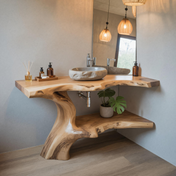
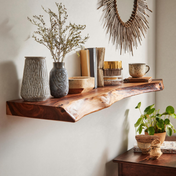
For homeowners seeking a true statement piece, a live edge bathroom vanity can be paired with blue cabinetry accents or placed nearby as a complementary wood focal point. Live-edge detailing brings organic movement into the room, making the design feel custom and artistic.
Countertop and Hardware Pairings for Blue Vanities
The right countertop and hardware choices can make a blue vanity feel softer, brighter, more luxurious, or more contemporary.

Countertop ideas:
- White quartz for a crisp, durable, low-maintenance finish
- Marble for a classic and elegant surface with natural variation
- Cream-toned stone for a warmer, more relaxed palette
- Concrete or soapstone for a modern and moody look
Hardware finishes:
- Brushed brass: Warm, elevated, and especially beautiful with navy or slate blue
- Matte black: Sharp and modern, ideal for stronger contrast
- Polished nickel or chrome: Timeless and bright, great for traditional bathrooms
- Bronze: Rich and grounded, especially fitting with rustic wood accents
Small choices have a large impact. A deep blue vanity with unlacquered brass pulls feels very different from the same vanity with black tab hardware. Think of these finishing details as the jewelry of the room.
Single vs. Double Vanity Layouts
Your ideal vanity design should reflect how the bathroom is used. In smaller spaces, a single blue vanity can create strong style without crowding the room. It may also allow for more generous walkway space, better linen storage elsewhere, or a larger shower footprint.
In primary bathrooms, a double sink wood bathroom vanity offers practical advantages for shared daily routines. Blue is especially effective on larger double vanities because it breaks up the visual mass of the cabinet base. Adding wood drawers, a walnut frame, or open shelving keeps the piece from feeling too blocky or heavy.
If your bathroom is long and narrow, consider whether one large double vanity or two separate single vanities will produce a better visual rhythm. In some luxury layouts, twin blue vanities with a central storage tower create a more custom, balanced result.
How to Make a Blue Vanity Feel Calm Instead of Overwhelming
Because blue can range from barely-there to dramatic, balance is essential. If you want the room to feel calm, let the vanity be the star while the other materials stay relatively quiet. Soft white walls, lightly veined counters, warm wood mirrors, and simple lighting all help support a restful atmosphere.
Texture is also important. Blue paint or lacquer can feel cooler on its own, so bring in tactile elements such as woven baskets, linen hand towels, ceramic accessories, wood stools, or ribbed glass sconces. These subtle layers keep the room from feeling sterile.

For darker blue vanities, prioritize strong lighting. Well-placed sconces, overhead ambient light, and reflective surfaces will maintain brightness and ensure the color reads rich rather than heavy.
Design Ideas by Bathroom Style
Modern bathroom: Choose a slate or navy blue vanity with slab fronts, a quartz countertop, and minimal black or brass hardware. Pair with large-format tile and frameless mirrors.
Coastal-inspired bathroom: Use a soft muted blue vanity with a light stone top, woven accents, and natural wood. A freestanding wood bathroom vanity works especially well here.
Traditional bathroom: Opt for a paneled blue vanity with polished nickel fixtures, marble counters, and classic sconces. Walnut mirror frames can add warmth.
Rustic or organic bathroom: Pair painted blue cabinetry with reclaimed or textured timber for a rustic wood bathroom vanity effect. Add matte stone and earthy ceramics.
Luxury spa bathroom: Combine a deep blue vanity with teak accents, soft lighting, and a clean-lined silhouette. A teak bathroom vanity detail can make the space feel serene and premium.
Practical Buying Tips Before You Choose
Beautiful design matters, but performance matters too. Before choosing any bathroom vanity, confirm the basics:
- Measure width, depth, and door clearance carefully
- Check plumbing placement and sink configuration
- Choose moisture-resistant finishes for long-term durability
- Look for quality drawer glides and solid joinery
- Consider countertop maintenance needs
- Plan storage based on daily use, not just appearance
If wood is a major part of your design, verify whether the piece is veneer, engineered wood, or true solid wood. A solid wood bathroom vanity with sink may command a higher price, but it often delivers a more substantial look and longer service life when properly finished and maintained.
Final Thoughts
A blue vanity has the rare ability to feel calming, stylish, and distinctive all at once. It can anchor a minimalist room, enrich a traditional bath, soften a modern space, or bring personality to a compact powder room. When paired with natural materials like walnut, teak, or other warm woods, the effect becomes even more memorable.
Whether you are drawn to a dramatic navy centerpiece, a serene dusty blue cabinet, a walnut bathroom vanity pairing, or a furniture-like freestanding wood bathroom vanity, the best choice is one that suits both your aesthetic and how you live. A well-designed bathroom vanity should not only organize the room, but also make it feel more intentional every time you walk in.