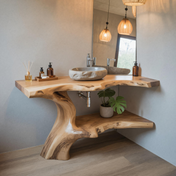

A well-chosen bathroom vanity can completely transform the look, feel, and function of your space. Whether you are planning a full renovation or a focused style update, the vanity often becomes the visual anchor of the room. It affects storage, countertop space, sink placement, and the overall design direction. From sleek contemporary silhouettes to warm wood finishes, today’s vanity options make it easier than ever to create a bathroom that feels fresh, organized, and elevated.

If you are searching for remodel inspiration, the best approach is to balance beauty with practicality. The right vanity should support your daily routine while enhancing the atmosphere of the room. Below, you will find the most effective bathroom vanity remodel concepts, including layout strategies, wood finish ideas, storage solutions, and design tips for choosing a vanity that brings lasting value.
Why the Bathroom Vanity Matters So Much
In many bathrooms, the vanity is more than a cabinet with a sink. It is the centerpiece that ties together tile, fixtures, mirrors, and lighting. Because it occupies a large amount of visual space, changing the vanity can quickly refresh an outdated bathroom without requiring a complete structural redesign.
A new bathroom vanity can improve:
- Daily functionality and organization
- Countertop usability
- Storage for toiletries and linens
- Traffic flow in small or shared bathrooms
- The resale appeal of the home
Whether your goal is modern minimalism, warm natural texture, or family-friendly convenience, starting with the vanity creates a strong foundation for the rest of the remodel.
Choose a Vanity Style That Matches the Bathroom’s Vision
The first remodel concept to consider is style. Your vanity should align with the atmosphere you want to create. Clean-lined cabinetry offers a polished modern look, while furniture-inspired vanities bring softness and character. Wood vanities continue to trend because they add warmth and timeless appeal, especially in bathrooms that might otherwise feel cold due to tile and stone surfaces.
Popular style directions include:
- Modern: Flat-panel doors, minimalist hardware, floating profiles, and integrated sinks
- Transitional: A balanced mix of classic detailing and clean lines
- Organic: Warm wood grain, soft neutrals, and natural textures
- Luxury spa: Oversized mirrors, stone tops, layered lighting, and elegant finishes
- Farmhouse or rustic: Distressed wood, open shelving, and matte black or bronze fixtures
If you want a bathroom that feels current yet enduring, a natural wood bathroom vanity is one of the most versatile choices. It pairs beautifully with white walls, brushed metal hardware, and both warm and cool tile palettes.
Embrace the Warmth of Wood Vanities
Wood vanities remain one of the most requested remodel upgrades because they introduce texture, depth, and authenticity. A real wood bathroom vanity can bring a custom, furniture-like feel that instantly elevates the room. Unlike synthetic materials that may feel flat or overly manufactured, real wood showcases grain variation and tonal richness that make the design feel more personal.
Among the most popular options, a solid wood bathroom vanity stands out for durability and premium appeal. It often performs well over time when properly sealed and maintained, making it a practical as well as beautiful investment. Homeowners who appreciate quality craftsmanship often prefer solid wood because it offers a substantial presence and long-term stability.
Another favorite is the white oak bathroom vanity. White oak is especially attractive in bathroom remodels because it delivers a clean, upscale look while still feeling warm and organic. Its subtle grain works well in Scandinavian, contemporary, coastal, and transitional interiors. For those seeking an airy design that does not feel stark, white oak can be the perfect bridge between modern and natural aesthetics.

Consider a Floating Vanity for a Light, Open Feel
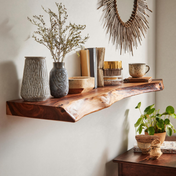
One of the most effective ways to modernize a bathroom is to install a floating wood bathroom vanity. Mounted to the wall rather than resting on the floor, floating vanities create a clean architectural look and make the room feel more spacious. This is especially helpful in smaller bathrooms where visual openness matters.
Benefits of floating vanities include:
- A sleek, modern appearance
- More visible floor area, which helps the room look larger
- Easier cleaning underneath
- Flexible installation heights
- A custom-designed feel
A floating vanity in a natural wood finish can soften contemporary spaces and prevent them from feeling overly clinical. Pair it with under-cabinet lighting for a dramatic, high-end effect that also serves as subtle nighttime illumination.
Upgrade Shared Bathrooms with a Double Sink Layout
For primary bathrooms or busy family homes, a double sink wood bathroom vanity is often one of the smartest remodel choices. Two sinks can dramatically improve convenience during busy mornings, giving each user dedicated space for grooming and storage. This setup also adds a luxurious feel that many homeowners want in a primary suite.
When considering a double sink wood bathroom vanity, keep these points in mind:
- Ensure the bathroom is wide enough for comfortable movement
- Leave enough countertop space between sinks when possible
- Include ample drawer storage for each side
- Use large mirrors or two separate mirrors to define zones
- Coordinate lighting so both sinks are equally well lit
A double vanity works particularly well in white oak or medium-toned woods because those finishes add warmth to the larger footprint. Instead of appearing bulky, the vanity feels intentional and refined.
Select the Right Size for Function and Balance
Vanity size is one of the most important remodeling decisions. A vanity that is too large can restrict movement, while one that is too small may limit storage and counter space. The ideal size depends on bathroom dimensions, door swing clearance, plumbing locations, and who uses the space daily.
General sizing concepts include:
- 24 to 30 inches: Best for powder rooms or very small bathrooms
- 36 to 48 inches: Great for guest bathrooms and medium-size spaces
- 60 inches: A popular choice for larger single-sink or compact double-sink setups
- 72 inches and above: Ideal for spacious primary bathrooms needing two sinks and generous storage
Depth matters too. Standard depth works for most rooms, but shallower vanities can improve circulation in tight layouts. During a remodel, always measure carefully and think about how drawers and doors will open in relation to walls, toilets, and shower glass.
Focus on Smart Storage Solutions
A beautiful vanity should also solve clutter. One of the strongest remodel concepts is choosing a vanity that improves organization through thoughtful storage design. Instead of relying only on under-sink cabinet space, look for vanities with drawers, divided compartments, pull-outs, and built-in organizers.

High-value storage features include:
- Deep drawers for hair tools and tall bottles
- Shallow top drawers for grooming essentials
- U-shaped drawer cutouts around plumbing
- Open shelving for rolled towels or baskets
- Integrated organizers for makeup, razors, and toothbrushes
If your current bathroom always feels messy, a remodel centered around storage can make the room feel instantly calmer and more functional. A solid wood bathroom vanity with custom drawer organization can provide both durability and everyday convenience.
Pick a Countertop That Complements the Vanity
The countertop plays a major role in both style and maintenance. It should complement your vanity finish while standing up to moisture, soap, and daily wear. Quartz is one of the most popular choices because it is durable, low maintenance, and available in many colors. Marble offers luxury, while granite and solid surface options provide different balances of beauty and practicality.
Countertop pairings that work especially well include:
- White quartz with a natural wood bathroom vanity for a fresh, organic look
- Soft gray stone with white oak for understated elegance
- Dramatic veined slabs with minimalist wood cabinetry for contrast
- Warm-toned stone with a real wood bathroom vanity for layered richness
Do not forget the backsplash. Even a small backsplash can protect the wall and create a more finished appearance.
Use Hardware, Faucets, and Mirrors to Complete the Design
Small details have a major impact on the final result. Once the vanity is chosen, supporting finishes help define whether the bathroom feels modern, traditional, or luxurious. Hardware should echo the vanity’s style without overpowering it, while faucets and mirrors should reinforce the broader design theme.
Strong combinations include:
- Brushed nickel with white oak for a soft, timeless feel
- Matte black with a floating wood bathroom vanity for modern contrast
- Warm brass with medium-toned wood for a sophisticated designer look
- Rounded mirrors to soften angular cabinetry
- Tall vertical mirrors to make ceilings appear higher
Layered lighting is equally important. Sconces beside the mirror often provide better facial lighting than a single overhead fixture. Good lighting enhances the vanity and makes the room more usable every day.
Try Color and Material Pairings That Feel Fresh
A fresh bathroom look often comes from thoughtful contrast. Wood vanities are especially effective because they pair well with many colors and materials. If you want the space to feel bright and calming, combine a wood vanity with white walls, pale tile, and soft metal finishes. If you want greater drama, introduce darker flooring, bold mirrors, or statement lighting.
Fresh pairings to consider:

- White oak vanity with creamy tile and brushed brass
- Walnut vanity with white quartz and black fixtures
- Natural wood cabinetry with sage green walls and stone textures
- Floating vanity with large-format tile for a seamless modern look
- Double sink wood vanity with matching linen storage tower for symmetry
When in doubt, aim for balance. A vanity with strong wood grain often looks best when surrounded by simpler finishes that let it stand out.
Think Long-Term Durability During the Remodel
Bathrooms are high-moisture environments, so selecting durable materials is essential. A quality bathroom vanity should be able to handle humidity, temperature changes, and frequent cleaning. Look for well-constructed cabinetry, moisture-resistant finishes, and hardware designed for long-term use.
Practical durability tips include:
- Choose sealed wood surfaces for better moisture protection
- Ensure sink and countertop seams are professionally finished
- Use soft-close hinges and drawer slides for smoother operation
- Confirm adequate ventilation in the bathroom to protect wood finishes
- Select easy-care countertops if low maintenance is a priority
A real wood bathroom vanity can last beautifully for years when matched with proper bathroom ventilation and routine care.
Best Remodel Concepts by Bathroom Type
Different bathrooms benefit from different vanity strategies. Matching the concept to the room’s purpose helps ensure the remodel feels intentional.
Primary Bathroom
A double sink wood bathroom vanity is often ideal here, especially when paired with generous drawers, statement mirrors, and layered lighting. This setup prioritizes comfort and luxury.
Guest Bathroom
A 36- to 48-inch natural wood bathroom vanity offers a welcoming, upscale look without overwhelming the room. Add a quartz top and simple mirror for broad appeal.
Powder Room
This is a great place to be bold. A compact floating vanity or furniture-style wood vanity can create a memorable impression in a small footprint.
Family Bathroom
Focus on storage, durable counters, and easy-clean finishes. A solid wood bathroom vanity with drawers is often more practical than open shelving in high-use spaces.
Final Thoughts on Choosing the Right Bathroom Vanity
If you want a bathroom that looks fresh, functions better, and adds long-term value to your home, upgrading the bathroom vanity is one of the most impactful remodel decisions you can make. The best choice depends on your space, style, and storage needs, but wood vanities continue to stand out for their warmth, versatility, and timeless appeal.
Whether you are drawn to a white oak bathroom vanity, a sleek floating wood bathroom vanity, or a spacious double sink wood bathroom vanity, the goal is the same: create a bathroom that feels intentional, inviting, and easy to use every day. By combining smart layout planning with quality materials and cohesive finishes, you can achieve a remodel that feels both fresh now and beautiful for years to come.