
A well-designed bathroom vanity does far more than hold a sink. It sets the tone for the room, supports daily routines, and provides essential storage that keeps countertops clear and the space feeling calm. The best vanities prove that you do not have to choose between beauty and function. With the right materials, layout, and design details, a vanity can become the visual anchor of the bathroom while still making room for towels, toiletries, cleaning supplies, and grooming tools.

If you are planning a remodel or upgrading a tired bath, understanding which vanity features truly improve both style and storage can help you make a smarter investment. From a floating wood bathroom vanity that opens up floor space to a solid wood bathroom vanity built for longevity, the right choice depends on how you want the room to look and how you need it to work.
Why the Right Bathroom Vanity Matters
The vanity is often the hardest-working fixture in the bathroom. It combines plumbing access, countertop space, sink placement, and hidden storage in one unit. A thoughtfully selected bathroom vanity can make a small room feel larger, improve organization, and create a more luxurious atmosphere.
Style and storage should never be treated as separate goals. A vanity with impressive looks but poor organization quickly becomes frustrating. Likewise, a bulky cabinet with plenty of storage can make the room feel cramped and dated. The ideal solution balances proportion, finish, hardware, and interior functionality.
Floating Designs Create a Light, Modern Look
One of the most popular options for a contemporary bathroom is a floating wood bathroom vanity. Mounted to the wall with open space beneath, floating vanities instantly create a sense of airiness. This feature is especially valuable in smaller bathrooms where visual openness can make the room feel less crowded.
Beyond style, floating vanities offer practical advantages. The open area underneath makes floor cleaning easier and can visually reduce the heaviness of storage cabinetry. Many designs still include deep drawers, making it possible to maintain strong storage capacity without a bulky footprint.
Floating styles pair especially well with minimalist, Scandinavian, and Japandi interiors. If you are considering a japandi bathroom vanity, a floating profile in a muted wood tone with simple hardware can create a calm, balanced aesthetic while preserving functional storage.
Deep Drawers Outperform Basic Cabinet Doors
When evaluating vanity storage, drawers are often more useful than traditional doors with a single open cavity. Deep drawers allow you to separate grooming products, skincare items, hair tools, and extra supplies with less clutter. Full-extension glides make it easier to reach items stored at the back, reducing wasted space.
Modern drawer systems can also be built around plumbing requirements. U-shaped top drawers, tiered organizers, and divided compartments help maximize every inch. If storage is a priority, look for a bathroom vanity that combines a clean exterior with highly functional interiors.

Soft-close drawers are another feature worth prioritizing. They feel more refined, reduce wear over time, and contribute to the upscale experience people expect from a high end bathroom vanity.
Solid Wood Construction Adds Warmth and Durability
Material choice plays a major role in both appearance and lifespan. A solid wood bathroom vanity offers natural character, strength, and a premium look that engineered materials often struggle to match. Grain variation, texture, and depth of tone help bring warmth into a room that can otherwise feel cold or overly polished.
Durability matters in humid spaces, so construction quality should be carefully considered. A well-sealed solid wood bathroom vanity can perform beautifully for years while developing timeless appeal. Homeowners who want craftsmanship and long-term value often prefer wood species known for stability and resilience.
For a practical and elegant setup, many buyers also seek a solid wood bathroom vanity with sink, which combines quality cabinetry with a coordinated top and basin. This integrated approach can simplify installation while delivering a cohesive final look.
Natural Finishes Bring Organic Style
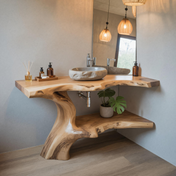
A natural wood bathroom vanity is an excellent option for anyone who wants the bathroom to feel grounded, inviting, and visually calm. Natural finishes highlight the beauty of the wood rather than covering it with heavy stains or glossy paint. This makes the vanity feel authentic and elevated at the same time.
Natural wood works across many design styles. In modern spaces, it softens hard surfaces like tile, stone, and glass. In transitional bathrooms, it bridges classic and contemporary elements. In spa-inspired rooms, it helps create a serene, organic atmosphere that supports relaxation.
Pairing a natural wood bathroom vanity with simple lines, understated hardware, and a white or stone countertop is a reliable way to achieve a timeless design that will not quickly feel dated.
Rustic Details Can Still Feel Refined
For homeowners who want character and texture, a rustic wood bathroom vanity can add visual depth without sacrificing functionality. Rustic does not have to mean rough or oversized. Today’s better designs blend reclaimed or distressed wood tones with clean silhouettes, modern sinks, and efficient drawer storage.

The best rustic vanities use texture intentionally. Wood grain, matte finishes, and handcrafted details can create warmth while still supporting a polished overall design. When combined with smart interior storage and durable hardware, a rustic wood bathroom vanity becomes both a style statement and a practical choice.
Integrated Sink Choices Affect Storage Efficiency
The type of sink you choose has a direct impact on how much usable storage remains inside the vanity. Undermount sinks are often preferred because they maintain a smooth countertop surface and support easy cleaning. They also tend to integrate well with drawer-based layouts.
Vessel sinks can look striking, but they may require a different counter height or sink placement. Integrated tops with built-in basins can deliver a seamless appearance and simplify maintenance. If maximizing storage is your goal, compare how each sink style affects the cabinet interior before making a final decision.
A thoughtfully designed bathroom vanity should balance sink scale with countertop space and internal storage so that nothing feels compromised.
Smart Hardware Enhances Both Look and Function
Hardware may seem like a small detail, but it significantly influences the overall impression of a vanity. Sleek pulls, edge tabs, or minimalist knobs can reinforce a modern look, while aged brass or black metal can add contrast and personality. The right hardware also improves daily usability, especially on larger drawers.
For a cleaner profile, some vanities use integrated finger pulls or push-to-open systems. These are common in a high end bathroom vanity because they support a streamlined appearance while maintaining convenience. If you prefer visible hardware, choose finishes that coordinate with the faucet, mirror frame, and lighting for a more intentional design.
Open Shelving Works Best in Moderation
Open shelving can add style, especially on a floating wood bathroom vanity or in a spa-inspired bath. It offers a place to display neatly folded towels, baskets, or decorative accessories. However, open storage should complement hidden storage, not replace it.
Most bathrooms function better when everyday clutter is concealed. A balanced vanity design often includes closed drawers for personal items and limited open shelving for attractive essentials. This creates visual interest without making the room feel messy.

Teak Is a Premium Choice for Moisture-Prone Spaces
If moisture resistance is high on your priority list, a teak bathroom vanity deserves attention. Teak is known for its durability, dimensional stability, and natural resistance to humid conditions. Its warm tone and rich grain also make it a standout design material.
A teak bathroom vanity can work beautifully in modern, coastal, spa-like, or organic contemporary spaces. It delivers the warmth of wood with a performance profile that suits bathrooms particularly well. For homeowners seeking a refined yet practical material, teak often represents a premium long-term investment.
Double Vanities Need Thoughtful Storage Planning
In shared bathrooms, double-sink vanities are often desirable, but the additional plumbing can reduce storage if the layout is not carefully designed. The best double vanities include a combination of center drawers, side cabinets, and shallow organizers that preserve order for two users.
Rather than simply choosing the largest vanity that fits, focus on how the storage is divided. Personal zones, drawer inserts, and accessible compartments can make a double setup feel far more functional. This is where a high end bathroom vanity often distinguishes itself, with interior planning that supports real daily use.
Countertop Material Helps Complete the Design
The vanity top plays a major role in both appearance and maintenance. Quartz is a popular option because it is durable, low maintenance, and available in a wide range of colors. Natural stone offers unique variation and luxury appeal, while solid surface materials can provide a clean, contemporary finish.
The countertop should complement the wood tone and cabinet style. For example, a natural wood bathroom vanity often pairs well with soft white quartz or lightly veined stone. A rustic wood bathroom vanity may benefit from a top that adds visual contrast without overwhelming the texture of the base.
How to Choose the Best Vanity for Style and Storage
When comparing options, it helps to think beyond appearance alone. Ask how the vanity will function every day. Consider who uses the bathroom, what items need to be stored, and how much counter space you need. Then evaluate finishes, wood species, sink configuration, and mounting style.
- For smaller bathrooms: a floating design can create a more open feel.
- For maximum durability: a solid wood bathroom vanity offers long-term value.
- For organic, calming interiors: choose a natural wood bathroom vanity.
- For character-rich spaces: a rustic wood bathroom vanity adds warmth and texture.
- For luxury-focused remodels: invest in a high end bathroom vanity with premium hardware and drawer organization.
- For humid environments: a teak bathroom vanity is an excellent material choice.
Final Thoughts
The best bathroom vanity is one that makes your space more beautiful and more useful at the same time. Features such as deep drawers, wall-mounted profiles, solid wood construction, natural finishes, and well-planned sink integration can dramatically improve both visual appeal and storage performance.
Whether you are drawn to a floating wood bathroom vanity, a richly textured rustic wood bathroom vanity, or a polished high end bathroom vanity, the smartest choices are those that support your daily routine while elevating the room’s design. With the right balance of form and function, your vanity can become one of the most valuable upgrades in the entire bathroom.